Understanding High-Level Movement Mechanics
14 September 2026
If you've ever watched a competitive gamer pull off insane moves—smooth slides, mid-air pivots, and pixel-perfect strafes—you’ve likely found yourself asking: "How the heck did they do that?" Well, friend, you’ve just stepped into the fascinating world of high-level movement mechanics.
This isn’t just about moving your character from point A to point B—it’s a dance, a science, and an art rolled into one smooth package. Whether you play first-person shooters, platformers, or battle royales, movement is more than just walking and jumping... it can be your ultimate weapon.
So buckle up. This article’s gonna take you through the core principles, the why behind the how, and the techniques that separate casuals from pros. Even if you’re just getting started, by the end, you’ll have a whole new appreciation for how deep movement mechanics can go.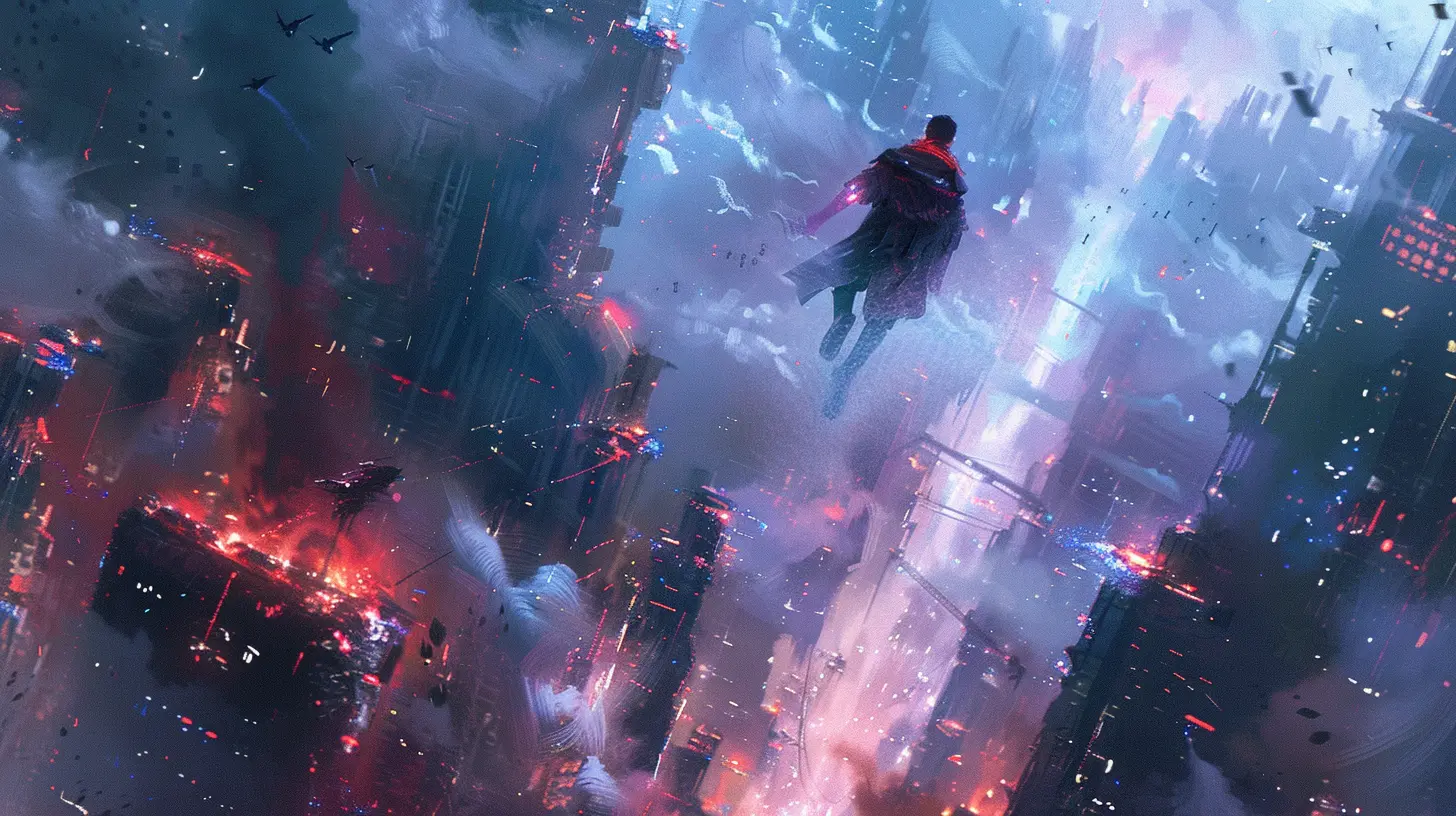
What Are High-Level Movement Mechanics?
Let’s start simple: movement mechanics are the controls and physics that let your in-game character navigate the world. Jumping, running, crouching—those are basic movement elements.Now, high-level movement mechanics are what happens when players push those basic controls to their absolute limits—manipulating speed, momentum, animation cancels, and game physics to do things the developers might not have even intended.
Imagine turning a simple sprint into a speed-boosting bunny hop across the map. Sounds like a glitch? Not always. Sometimes it’s a feature... sometimes it’s a happy accident.
At a high level, movement becomes less about pressing buttons and more about rhythm, precision, and leveraging hidden depth.
Why Movement Mechanics Matter So Much
Ever tried to hit a moving target? Not easy, right? Now imagine that target is zig-zagging, wall-jumping, and sliding under your aim like they’ve got rocket boots. Movement affects everything:- Survivability: Harder to hit means longer to live.
- Positioning: The faster and cleaner you move, the better angles you can take.
- Mind Games: Good movement can downright confuse opponents.
- Pacing: Dictate the tempo of fights with smooth transitions and unpredictable paths.
In competitive games, superior movement can actually win fights before a shot is ever fired.
Foundations of High-Level Movement
Before we dive into the high-tech stuff, let’s build a strong base. You gotta crawl before you can super-glide.1. Understanding Momentum and Acceleration
Two critical concepts in most games:- Momentum: The “carry” of your movement. Think of sprinting and how long it takes to come to a stop.
- Acceleration: How fast you reach top speed.
Some games lock you into animations; others let you manipulate momentum. Once you learn how to maintain or cancel momentum (hint: slides, jumps, crouches), you’ve unlocked a whole new stratum of movement magic.
2. Mastering Input Timing
Ever notice that some players just “feel” snappier? That's input timing. It's not just mashing buttons—it's about the exact moment you press jump, crouch, or aim down sights.Muscle memory plays a huge role here, and the more you train, the more consistent your flow becomes.
3. Learning How Your Game's Physics Work
Every game has different rules. Apex Legends lets you slide downhill like you're on ice. Valorant keeps things grounded and tactical. Fortnite? It's a movement playground.Understanding your game’s specific physics system is like learning the rules of gravity in a new universe. You can’t break the rules until you know what they are.
Advanced Movement Tricks Gamers Swear By
Let’s take it up a notch. These advanced techniques might sound complicated, but with a bit of grind, they’ll feel second nature.1. Bunny Hopping (BHopping)
Originating from games like Quake and Counter-Strike, bunny hopping is about jumping at precise intervals while turning your camera just right. The result? You keep your speed (or even gain some) while staying mobile.Why’s it called bunny hopping? Well, because you literally hop like a rabbit on energy drinks.
2. Slide Cancelling
You’ve probably seen Call of Duty pros slither across the map like snakes. That’s slide cancelling—cutting short the slide animation to reset sprint, reducing hitbox size, and improving movement speed.It's equal parts style and survival.
3. Wall Bouncing
Mostly seen in games like Gears of War and Titanfall 2, wall bouncing involves chaining wall contacts to keep speed or dodge incoming fire. Timing and direction control are the keys here.Think of it like parkour, but with explosions in the background.
4. Super Gliding
A newer entry into the movement hall of fame, this technique (popular in Apex Legends) combines mantle timing with jump input to launch your character forward at blistering speeds.Pulling it off feels like catching wind in a storm—unpredictable, but exhilarating.
The Psychology Behind Movement
Ever played against a player who just felt... slippery? You couldn’t hit them, couldn’t predict them, and every time you thought you had the upper hand—they were suddenly behind you.That's the psychology of movement.
Unpredictability Is a Weapon
Repeating the same movement patterns makes you easy to read. Good players mix things up: fake peeks, random crouches, or sudden direction changes. They mess with your expectations.It’s like rock-paper-scissors—if you only throw rock, you're gonna get clapped.
Spacing and Range Control
Understanding your character’s spacing helps in keeping the right distance from threats. Great movement is about knowing when to close gaps and when to bolt out of danger.It’s the dance of combat—get too close, and you're toast; stay too far, and you lose pressure.
Tools That Can Help You Improve
Getting better at high-level movement isn't just about grinding. These tools and strategies can give you the edge:1. Movement Practice Maps and Servers
Games like CS:GO, Fortnite, and Apex Legends have custom movement servers or training maps designed to sharpen skills. Use them.2. Watching Pros and Streamers
Pick one or two movement gods in your game of choice and study them like you’re prepping for a final exam. Slow down their videos, watch their inputs, and mimic their habits.3. Keybind Optimization
Sometimes it’s not you—it’s your settings. Try different keybinds to reduce finger travel time. Comfort equals speed.4. Using Aim Trainers with Movement Modes
Tools like Aim Lab and KovaaK’s now include movement training. Practicing tracking while moving can boost both aim and dodging skills.Movement Isn't Just For FPS Games
Wait—movement only matters in gun games, right? Nope, not even close.Fighting Games
In games like Tekken or Street Fighter, movement is half the battle. Spacing, footsies, dashes, rolls—it’s all movement mechanics.MOBAs
Ever stutter-stepped in League of Legends or Dota 2? That’s a micro-movement technique that improves attack speed and dodging.Platformers & Speedrunning
Super Mario 64 speedruns are basically movement poetry. There's a reason top runners can complete games in minutes—they've turned movement into a borderline cheat code.The Dark Side: When Movement Goes Too Far
Sometimes, advanced movement techniques bleed into exploit territory—breaking game physics or outrunning intended design.Game devs have to decide: patch it, or embrace it? Some techniques (like wall hops or Bhop) have become part of the meta. Others (like animation exploits) get nerfed.
Is this bad? Not always. It’s the sign of a thriving community pushing limits.
But here’s the line: if something gives an unfair advantage and isn't skill-based? That’s a problem.
Final Thoughts: Movement Is YOUR Superpower
Here's a truth bomb—everyone's focused on aim, loadouts, and weapons, but movement? That’s the real difference-maker.Think of it like driving. Two people can own the same car, but one drives it like a pro racer. That’s what high-level movement does—it makes your character handle like a finely tuned machine.
It's not about playing more. It's about playing smarter. About being intentional with every dodge, every strafe, every jump.
Your movement is your fingerprint—it shows your skill, your confidence, and your style.
So next time you're in-game, try pushing your character to the edge. Slide more. Jump creatively. Bounce off that wall. Not because the game told you to... but because you can.
And honestly? That’s where the magic lives.
all images in this post were generated using AI tools
Category:
Gaming SkillsAuthor:

Kaitlyn Pace