How Game Consoles Became Entertainment Hubs
18 August 2026
Once upon a time, game consoles were just... well, gaming consoles. You inserted a cartridge or disk, grabbed your controller, and dived headfirst into pixelated adventures. If you wanted to watch a movie or jam out to some tunes, you had to grab the remote and switch to a DVD player or heck, even a VCR if you're really from the old school.
Fast-forward to today, and your console isn’t just a gaming beast—it’s practically your whole entertainment ecosystem. From binge-watching the latest Netflix shows to jumping into video calls and streaming your Spotify playlist, the modern console does everything but cook dinner for you (we’re still waiting on that feature, right?).
So, how did these once single-purpose machines morph into full-blown entertainment hubs? Buckle up! We’re diving into the evolution of game consoles, and trust me, it’s quite the ride.
The Humble Beginnings – A Pixelated Start
In the good ol’ days of the ‘80s and early ‘90s, consoles like the NES and Sega Genesis were the kings of the living room—but only if we’re talking games. These bad boys didn't care about your Netflix queue or your Spotify playlists. They had one job: play games. And honestly? They did it well.Sure, you could argue they brought people together (cue family Mario Kart tournaments), but entertainment was strictly limited to gameplay.
But hey, times were simpler back then. No apps, no connectivity, just you, the controller, and enough snacks to feed a small army.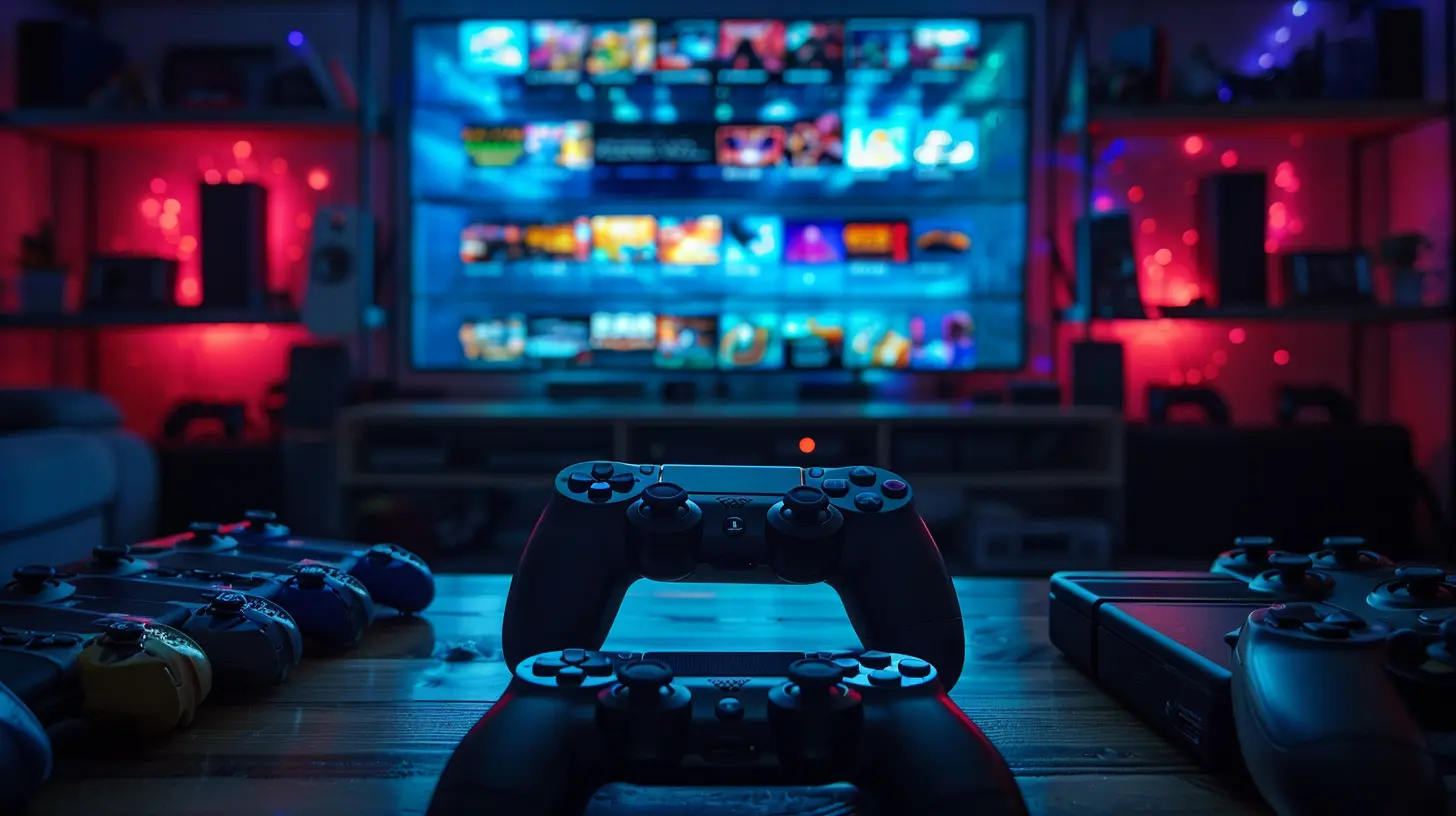
Enter The CD Era – A New Hope for Multimedia
Then came the fifth generation of consoles—the PlayStation 1, Sega Saturn, and the Nintendo 64-ish era. The introduction of CDs wasn’t just a storage upgrade; it unlocked new possibilities. Suddenly, consoles started experimenting with multimedia.Sony’s PlayStation was the cool kid at school, letting you play audio CDs. Want to listen to your favorite boy band between gaming sessions? Pop in that Backstreet Boys album and let it rip.
While gaming was still the top priority, the seed had been planted. Consoles were starting to flirt with the idea of being more than just gaming machines.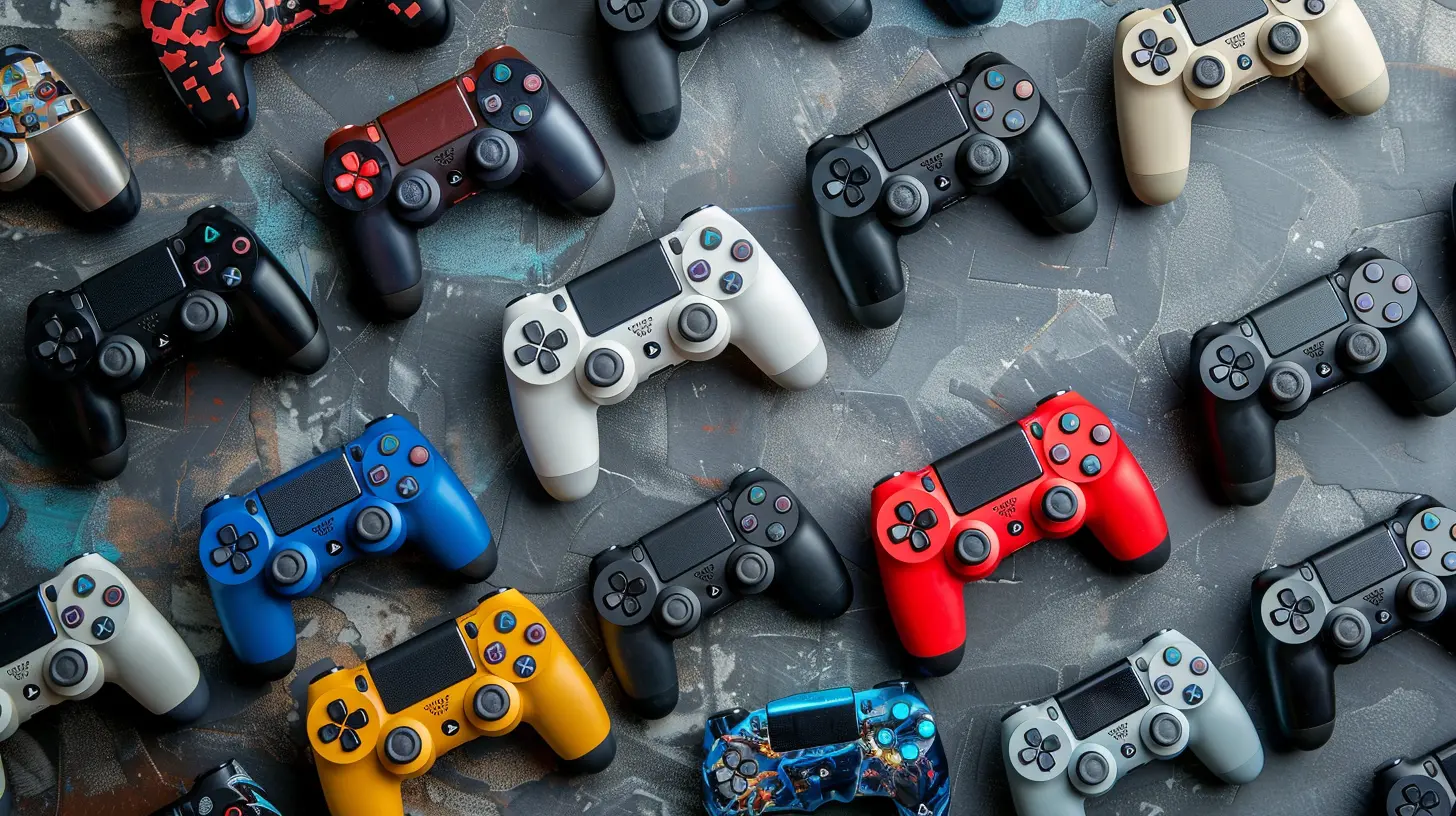
The Sixth Generation – Consoles Learn New Tricks
Here’s where things get spicy.With the PlayStation 2, Xbox, and GameCube, the concept of the console as a multimedia device really kicked off. The PS2, for example, was a Trojan horse. People bought it for the games, sure—but then realized it doubled as a DVD player. Mind blown.
This was a game-changer (pun fully intended).
Why spend extra cash on a separate DVD player when your game console already did the job? Suddenly, consoles were beginning to justify their spot right below your TV, not just for the games, but for all kinds of media magic.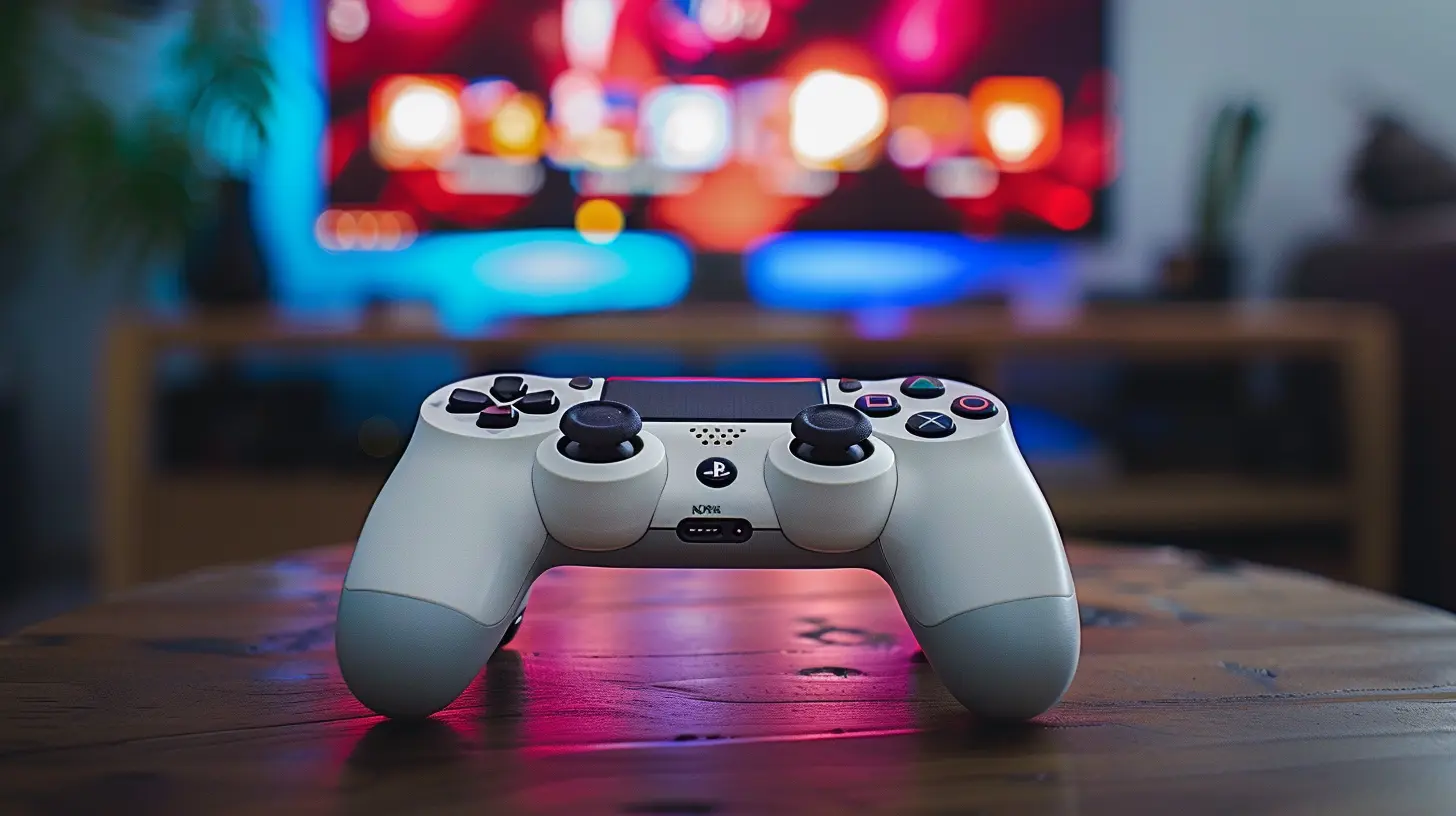
The Online Revolution – Connectivity Changes Everything
When the seventh generation rolled in like a digital tsunami—think Xbox 360, PS3, and Wii—the game (again, pun intended) changed forever.These consoles came with built-in Wi-Fi or Ethernet ports. You could connect to the internet and—wait for it—stream stuff. That’s right, streaming was no longer just a PC thing.
Streaming Services Take the Stage
Netflix showed up on Xbox 360 in 2008, and from then on, gaming consoles started pulling double duty as the streaming kings of the living room. Hulu, YouTube, Spotify—they all joined the party.Suddenly, your gaming console became your one-stop-shop. Games? Check. Movies? Yup. TV shows? Absolutely. Music? You bet.
And let’s not forget the Wii’s opera browser—yes, people were literally surfing the web on their Wii remotes. It wasn’t exactly Chrome-fast, but it got the job done.
The Rise of Apps – There's an App for That
When the eighth generation hit (PS4, Xbox One, and Nintendo Switch), things got wild.Consoles weren’t just dabbling in entertainment—they were going full Hollywood. TV integration, voice recognition, motion controls, even fitness apps. Microsoft went all-in with the Xbox One, branding it as “the all-in-one entertainment system.”
You could switch from a Halo grind-session to watching Game of Thrones with just a voice command. It felt like living in the future—next thing you knew, you were expecting your console to start doing taxes.
And with app stores baked in, users could customize their entertainment experience. Whether you were into Netflix marathons, streaming your favorite Twitch creators, or scrolling through cat videos on YouTube, there was an app for that.
Multimedia Features That Blew Our Minds
Let’s take a quick detour and geek out over some of the features that helped cement the console's new identity as an entertainment hub:1. Blu-ray and 4K Playback
The PS3 introduced Blu-ray support, giving gamers the best possible video quality at the time. The Xbox One S and PS4 Pro followed up with 4K support, turning your humble console into a home-theatre powerhouse.2. Digital Libraries
No more losing game discs or swapping them like you're DJing a retro mixtape. Downloadable games became mainstream, and with them came downloadable movies, series, and music.3. Voice Commands and Smart Assistants
"Xbox, play Stranger Things." Just saying the words made you feel powerful. Consoles started integrating with digital assistants like Alexa and even had their own built-in voice recognition. Lazy? Maybe. Awesome? Definitely.4. Social Integration
Sharing gameplay, screenshots, and live streams became an everyday thing. Twitch streaming from your console? Check. Chatting with friends during a game or movie? Check. Uploading clips of your epic headshots? Oh yeah.The Pandemic Effect – Consoles Became Essential
Let’s be real for a sec.When the pandemic hit, and everyone was stuck at home, game consoles weren’t just luxuries—they became lifelines. People needed entertainment, community, and connection.
Consoles provided all that and more.
From virtual game nights to digital watch parties and fitness apps replacing gyms, consoles adapted and proved they could do way more than kill time. They helped people stay sane.
Enter the Next-Gen – PS5 and Xbox Series X/S Level Up
Today’s consoles are absolute monsters in terms of tech. The PS5 and Xbox Series X aren’t just powerful game machines; they’re turbocharged entertainment hubs.Yes, games look gorgeous (thank you, ray tracing gods), but these devices also:
- Stream in ultra-high-definition
- Load Netflix or Disney+ faster than your smart TV
- Seamlessly connect to streaming hardware like capture cards and media remotes
- Host family movie night or game night without breaking a sweat
Even the Nintendo Switch, which often plays in its own sandbox, supports YouTube and Hulu, making it sneakily versatile—not to mention its portability is a total game-changer (literally!).
What's Next? The Future of Console Entertainment
So where do we go from here?Well, cloud gaming is already knocking at the door with services like Xbox Cloud Gaming and PlayStation Now. Combine that with the rise of virtual reality, and our future entertainment hubs might look more like Ready Player One than anything we’ve seen so far.
Imagine throwing on a headset, watching a movie in your own virtual theater, then switching to a co-op game with friends across the globe—without even touching a controller. The lines between TV, games, movies, social media, and reality are blurring faster than you can say "buffering."
Final Thoughts – More Than Just a Console
Game consoles have come a long way from their humble cartridge-loading roots. They're no longer just for gaming. They’re your movie theater, music player, social network, and sometimes even your gym.They bring people together, whether it’s over a competitive Fortnite round, a shared love for Breaking Bad, or a dance battle powered by motion controls.
So next time someone says consoles are just for “kids and video games,” just smile. Because we know the truth: they’re the Swiss Army knives of home entertainment.
And let’s be honest—who wouldn’t want all that power in one sleek little box?
all images in this post were generated using AI tools
Category:
Game ConsolesAuthor:

Kaitlyn Pace
Discussion
rate this article
1 comments
Carson McGhee
Game consoles have evolved beyond gaming, integrating streaming, social features, and apps, transforming into all-in-one entertainment systems. This shift reflects changing consumer habits, making them central in home entertainment and redefining how we engage with media.
August 18, 2026 at 4:12 AM
Kaitlyn Pace
You're right. Game consoles have become versatile entertainment hubs, blending gaming with streaming and social media. They've adapted well to modern needs, reshaping our media experience.