Why Console Exclusives Still Matter in Gaming
29 July 2026
Let’s face it—gaming has changed a lot over the years. We've gone from blowing on cartridges to get games to work, to downloading 100GB titles with day-one patches. But even with all the advancements, one thing still sparks heated debates, builds fan tribes, and even influences which console people buy.
Yep, we're talking about console exclusives.
In a time when cross-platform gaming is on the rise and everything seems to be heading toward a unified digital experience, you might wonder: do console exclusives still matter? Spoiler alert: they absolutely do—and not just for the bragging rights.
So, buckle up, we're diving into the why behind the what, and you might just walk away with a new appreciation for the games you can’t get anywhere else.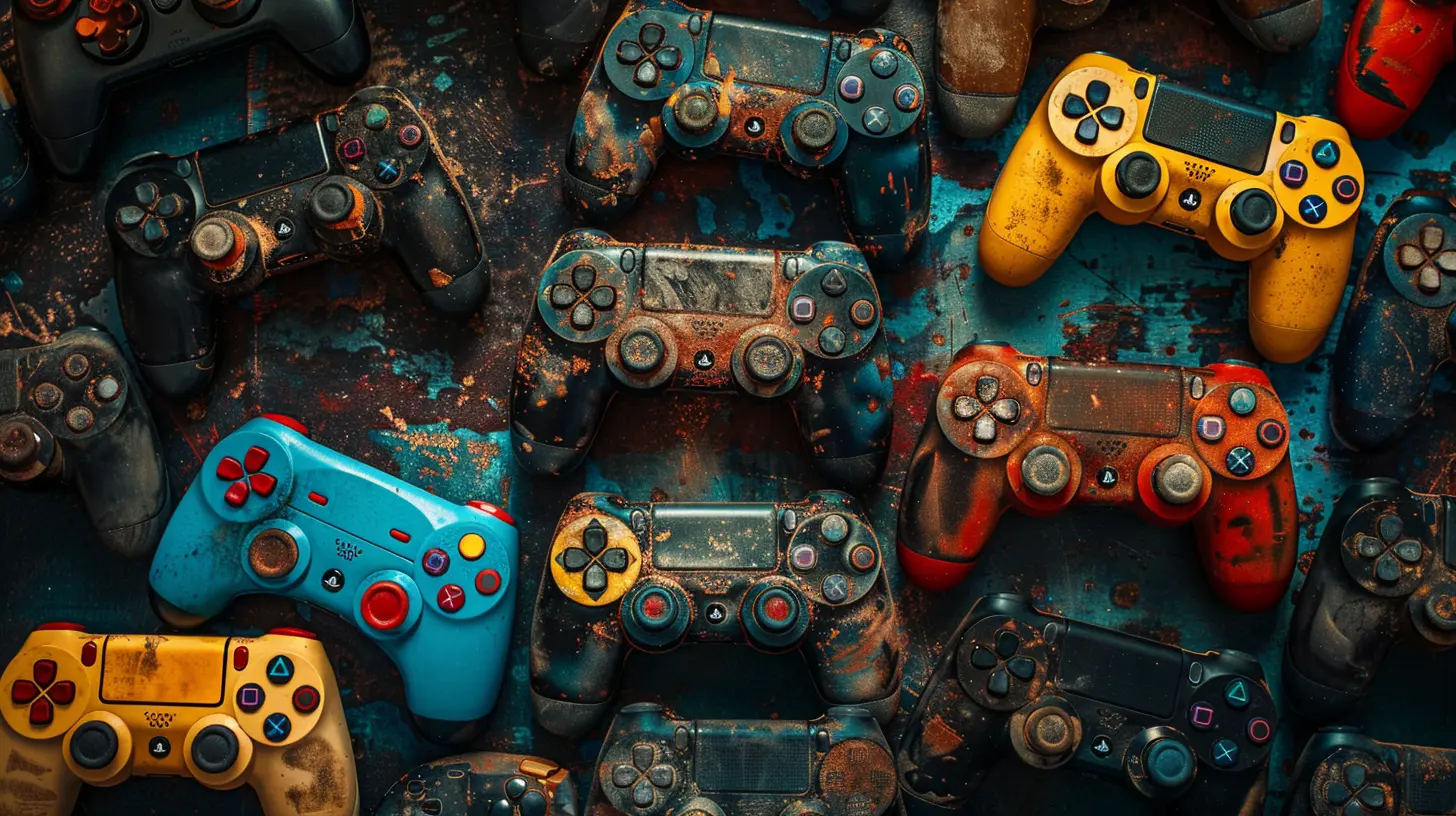
What Are Console Exclusives Anyway?
Let’s break it down for the uninitiated. A console exclusive is a game that is only available on one specific platform—be it PlayStation, Xbox, or Nintendo Switch. Whether it’s timed or permanent, these games aren’t just fluff thrown in for fanboys—they’re strategic moves.Think of console exclusives like the secret sauce at your favorite burger joint. Sure, you could get a similar burger somewhere else, but it just doesn’t hit the same without that special ingredient.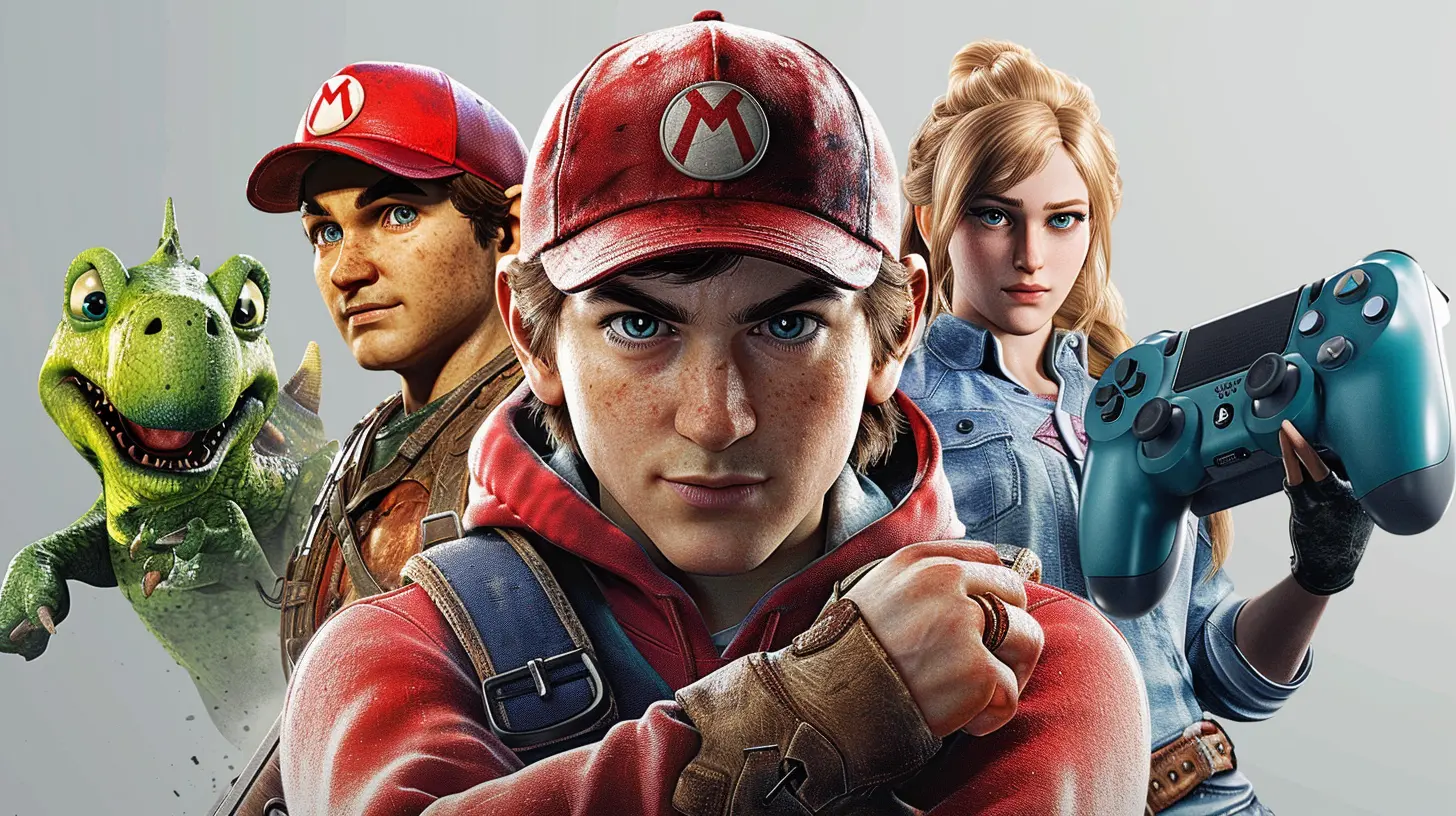
The Battle of the Brands: Sony vs. Microsoft vs. Nintendo
The "console war" isn’t just a marketing gimmick—it’s a real, billion-dollar arms race. And exclusives? They’re the heavy artillery.Sony has always flexed hard with PlayStation exclusives like The Last of Us, God of War, and Spider-Man. These games aren’t just good—they’re critically acclaimed and award-winning. On the other side, Xbox has been upping its game with franchises like Halo, Forza, and most recently, Starfield. And then there’s Nintendo, in its own quirky lane, dropping must-plays like Zelda: Breath of the Wild, Mario Odyssey, and Animal Crossing.
Each of these titles is more than just a game—they’re cultural moments. They shape sales, define console generations, and give players something to rally behind.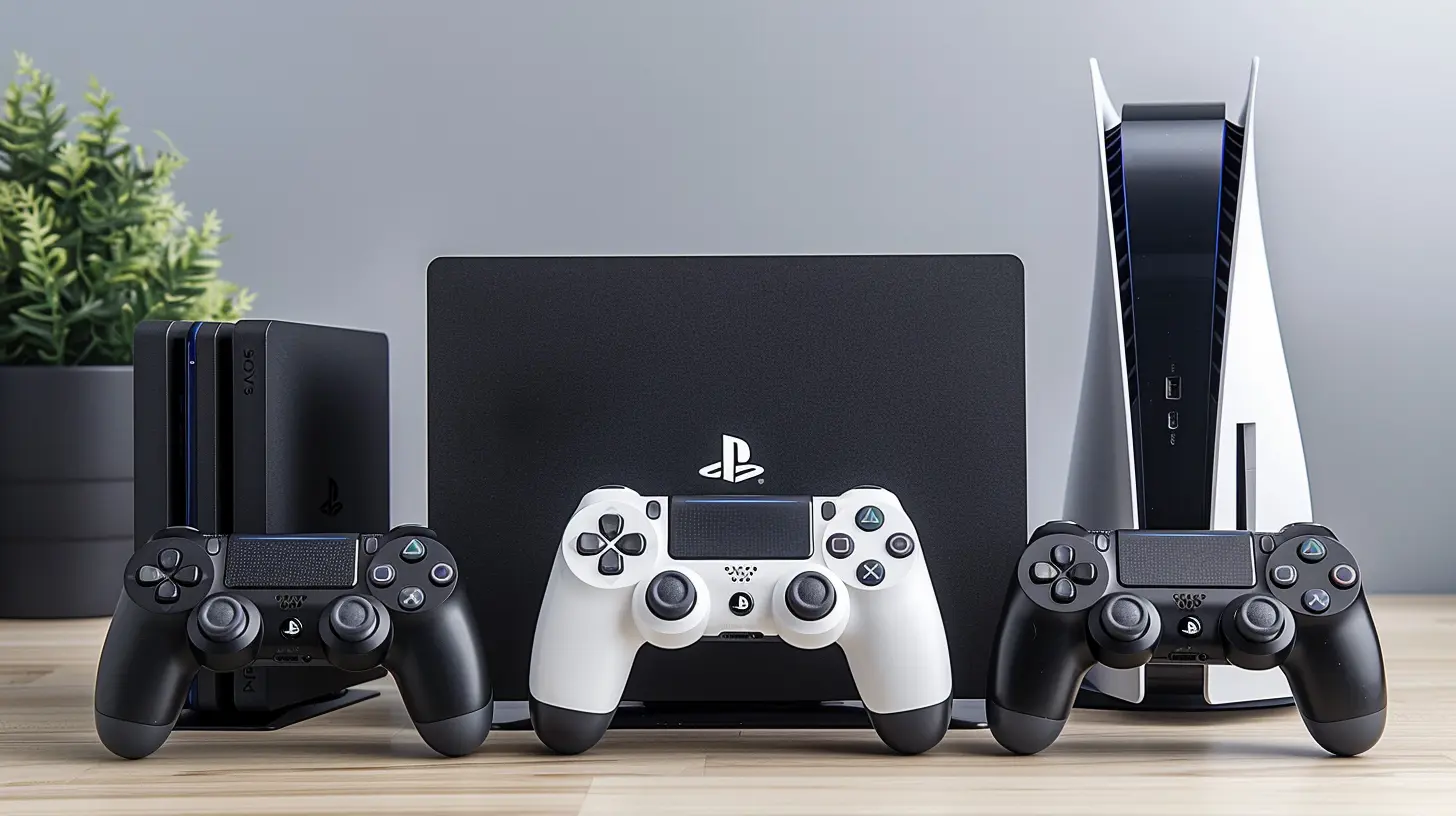
Why Exclusivity Still Pulls So Much Weight
1. It's All About Identity
When you pick a console, you're not just buying hardware—you’re buying into a vibe, a culture, a community. PlayStation fans love story-driven epics. Xbox players dig community-driven multiplayer experiences. And Nintendo? It's the whimsical nostalgia king.Exclusives give each console its ring of flavor. Imagine an Xbox without Halo or a Switch without Zelda. That’s like peanut butter without jelly. Yeah, it still works, but is it really the same?
2. Pushing Technical Limits
Ever noticed how exclusives tend to look and run better than third-party games? That’s because the devs are building those games specifically for that one machine. It’s like tailoring a suit versus buying off the rack.Take Ratchet & Clank: Rift Apart on PS5. That game isn’t just flashy—it’s a tech showcase, leveraging every inch of the hardware. You can’t pull off a seamless world-switching mechanic like that on a generic engine optimized for multiple platforms.
Exclusives are where consoles strut their stuff and show what they’re truly capable of.
3. Boosting Console Sales (Duh!)
This one's obvious, but it’s worth emphasizing. People buy consoles for games. No matter how powerful your box is, if it doesn’t have jaw-dropping exclusives, it’s a tough sell.Remember when Zelda: Breath of the Wild launched with the Nintendo Switch? That game arguably sold the console. People didn’t just want to play it—they needed to. Can you say the same about third-party titles that are available everywhere?
But What About Cross-Platform Gaming?
Great point—you’ve probably noticed more and more games supporting cross-play. Titles like Fortnite, Call of Duty: Warzone, and Minecraft let you squad up no matter the console. It's awesome and super consumer-friendly.But here’s the twist: this trend actually makes exclusives even more important.
Why? Because if every game is accessible everywhere, what’s the reason to buy one console over another? Exclusives become the reason to choose.
It’s like restaurants all suddenly selling the exact same pizza. Eventually, you’re going to look at sides, atmosphere, and yes, that one dessert you can only get at your favorite spot. Exclusives are that dessert.
The Emotional Punch of Exclusives
Let’s talk feelings for a second.There's something magical about playing a game you know you can't get anywhere else. It's like being part of an elite club. You get the inside jokes, the spoilers, the memes. You’re not just playing a game—you’re experiencing a cultural phenomenon.
Remember the heartbreak at the end of The Last of Us Part II, or the jaw-drop moment when Kratos picked up the Blades of Chaos again in God of War? Those moments hit harder because they felt like rewards for your loyalty to the platform. You didn’t just buy the game—you earned it by picking the right side.
And let’s not forget Smash Bros. tournaments. If you’re not on a Nintendo console, you're out of the loop. Literally.
Exclusivity and Developer Creativity
Here’s something that often flies under the radar—exclusives often allow developers to take more risks.When a studio knows they’re building for one console, with full backing from the platform holder, they’re more likely to experiment and innovate. Look at Returnal from Housemarque—a surreal, roguelike bullet-hell mashup that probably wouldn’t have seen major funding without Sony’s support.
Exclusivity can foster a kind of creative freedom that’s harder to find when you’re trying to develop for five different platforms at once.
The Rise of Timed Exclusives
Okay, not all exclusives last forever. Some titles start out as console exclusives and eventually make their way to rival platforms or PCs. Final Fantasy VII Remake and Death Stranding are prime examples.While purists may grumble, this is actually a win-win. The console gets a temporary advantage—a window where everyone wants in. And down the line, more people get to experience the game. It keeps the hype alive longer and stretches the relevance.
Timed exclusivity has become a savvy business strategy. It’s like hyping up a limited-edition sneaker drop. FOMO is real, friends.
PC vs. Consoles: The New Battlefield?
Can we talk about the elephant in the room? Yes, many former "console exclusives" are landing on PC. Sony, for example, has brought over Horizon Zero Dawn and Days Gone to the Steam crowd. So, is the idea of exclusivity dying?Not quite.
First off, these games usually stay console-exclusive for years before hitting PC. If you want to be part of the conversation when it's hot, you still need the console. By the time it hits Steam, the memes have come and gone.
Second, console gaming is about convenience. No driver updates. No hardware upgrades. No tinkering with settings just to hit 60fps. Consoles are plug-and-play, and exclusives are built from the ground up to make the most of that simplicity.
So while the walls are cracking, the house isn’t falling down just yet.
Will There Ever Be a Console Without Exclusives?
Short answer: Probably not.Long answer: Even if the industry moves toward cloud-based platforms and subscription models (hi, Xbox Game Pass), there’ll always be a need to differentiate one service from another. And what’s the easiest way to do that?
You guessed it. Exclusives.
Think about Netflix. It’s not just the interface or the recommendation algorithm that makes people subscribe—it’s the original content. Stranger Things, The Witcher, Squid Game. People sign up for that stuff.
Gaming is headed in the same direction.
So… Are Exclusives Good or Bad for Gamers?
Honestly, both.On one hand, exclusives can be frustrating. Nobody wants to buy multiple consoles just to play all the great games. It’s expensive and kind of annoying.
But on the flip side, exclusives drive competition. And competition drives innovation. Without it, we might not get those mind-blowing, next-gen experiences that push the medium forward.
It’s like how rivalry fuels sports legends. Jordan needed a Magic. Messi needs a Ronaldo. Xbox needs PlayStation, and vice versa.
And we, the gamers, are the real winners in that showdown.
Final Thoughts
At the end of the day, console exclusives still matter—a lot. They’re the soul of the gaming experience on any platform. They spark debates, shape console identities, and give us unforgettable moments that stick with us long after the credits roll.Sure, they’re not perfect. But in a world where everything is moving toward sameness, exclusives give us something rare—something special.
So next time someone tells you exclusives are outdated, smile knowingly and ask: “Then why are they still the most talked-about games in the industry?”
Why indeed.
all images in this post were generated using AI tools
Category:
Game ConsolesAuthor:

Kaitlyn Pace
Discussion
rate this article
1 comments
Emmett McKinley
Great insights on the importance of console exclusives! They not only drive innovation but also foster unique gaming experiences that can't be found elsewhere. It's exciting to see how they shape the future of gaming culture and community.
July 29, 2026 at 2:25 AM
Kaitlyn Pace
Thanks for your thoughts! Console exclusives definitely bring fresh perspectives and creativity to the gaming landscape. Exciting times ahead!