Exploring the Emotional Depth of Red Dead Redemption’s Arthur Morgan
10 April 2026
When it comes to video game protagonists, they often fall into neat little categories: the hero, the anti-hero, the villain-turned-good. But then along comes someone like Arthur Morgan from Red Dead Redemption 2, who completely flips the script. Rockstar Games didn’t just create a character; they sculpted a living, breathing, emotionally complex person who sticks with you long after the credits roll. Let’s saddle up and explore the emotional depth of Arthur Morgan, the gruff but introspective outlaw whose journey is nothing short of heartbreaking.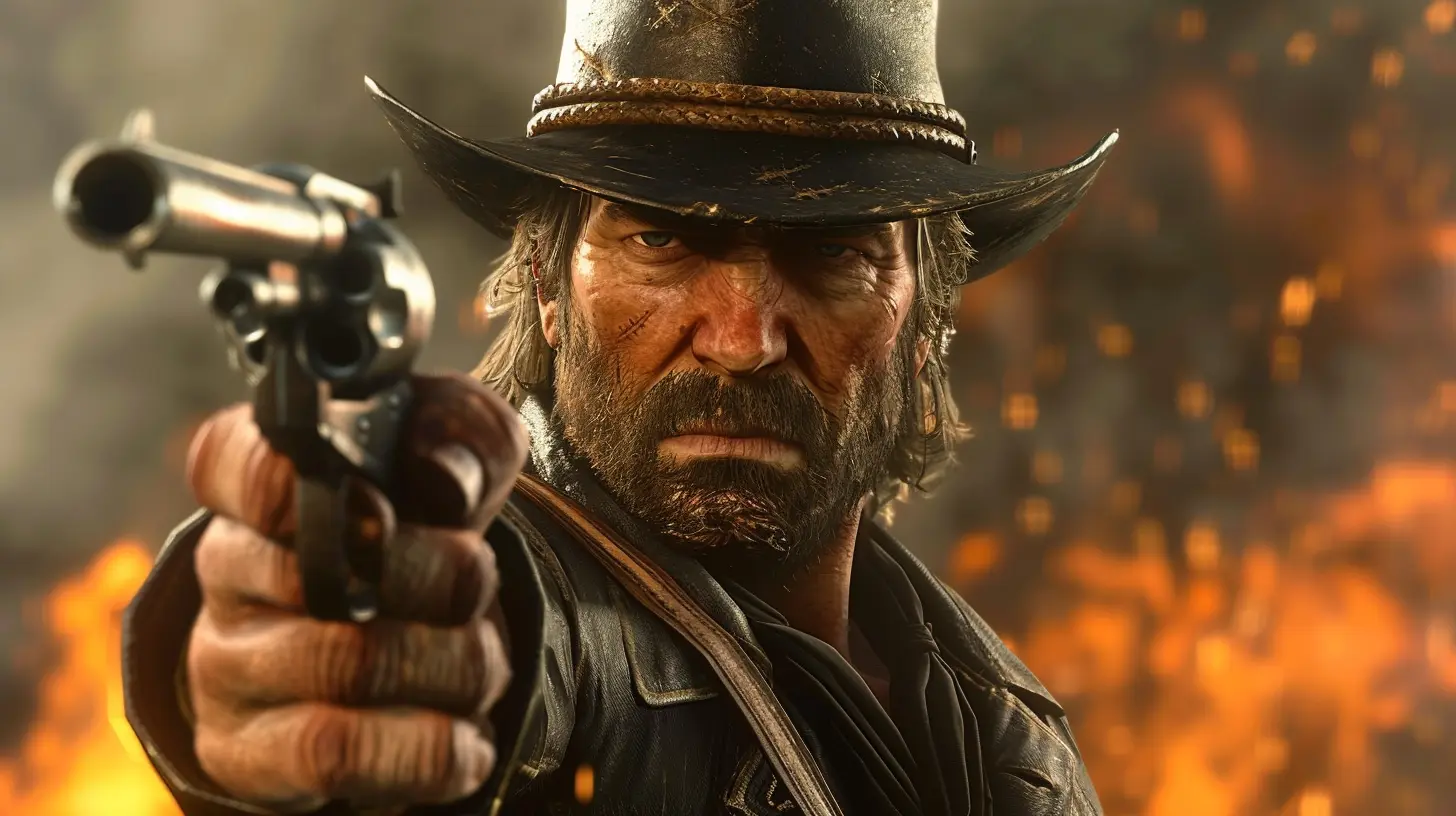
The Man Behind the Gun
Arthur Morgan isn’t your typical video game protagonist. He’s not a knight in shining armor, nor is he a one-dimensional anti-hero. He exists in the grey areas of morality, a man who’s done terrible things yet still wrestles with his conscience. From the very beginning, you realize Arthur is more than just a gunslinger. He’s a man burdened by guilt, loyalty, and the nagging question of redemption.But what makes Arthur special? It’s his humanity. Rockstar didn’t just write him as a cowboy with a big hat and bigger guns. They gave him layers. He’s a man who’s been molded by his circumstances, trapped between his loyalty to the Van der Linde gang and his growing awareness that the outlaw life is a sinking ship.
Isn’t it ironic? The guy who’s supposed to be an outlaw is more moral than many of the so-called "good" characters you encounter in the world. Whether it’s in his journal entries, conversations, or even his sarcastic quips, you can feel Arthur’s internal struggle. And that makes him real, relatable, and unforgettable.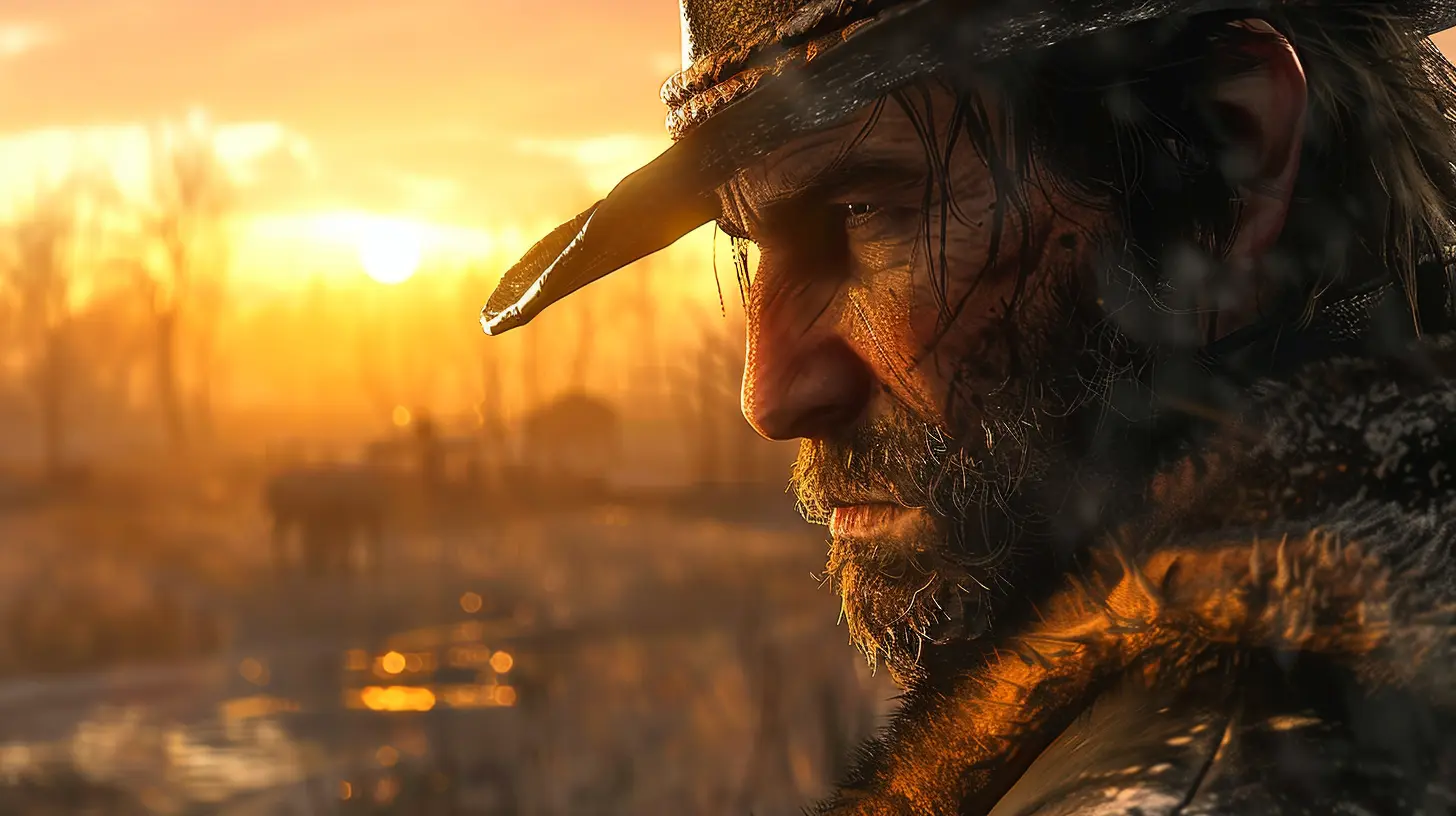
A Journey of Self-Reflection
Arthur’s story is one of self-reflection, and honestly, isn’t that what makes any character truly compelling? At the start of the game, he’s your typical outlaw: robbing trains, shooting lawmen, and doing whatever Dutch tells him to do. He’s loyal to a fault, buying into Dutch's vision of freedom and family. But as the cracks in Dutch's leadership become impossible to ignore, Arthur begins to question everything—his choices, his loyalty, and his own purpose.This introspection really takes off after Arthur is diagnosed with tuberculosis. It's a gut-punch moment that flips the narrative on its head. Suddenly, Arthur, a man who’s always lived on the edge, is forced to confront his own mortality. And instead of wallowing in despair, he starts to strive for something greater—redemption. I mean, isn’t that what we all want in life? To make peace with our mistakes, to leave a positive mark before it's too late?
Arthur’s transformation is one of the most poignant aspects of the game. You can see it in the decisions he makes, whether it’s helping a down-on-their-luck family or refusing to kill someone in cold blood. These moments aren’t just great storytelling; they’re life lessons wrapped up in a cowboy tale. Arthur teaches us that it’s never too late to change, even when the clock is ticking.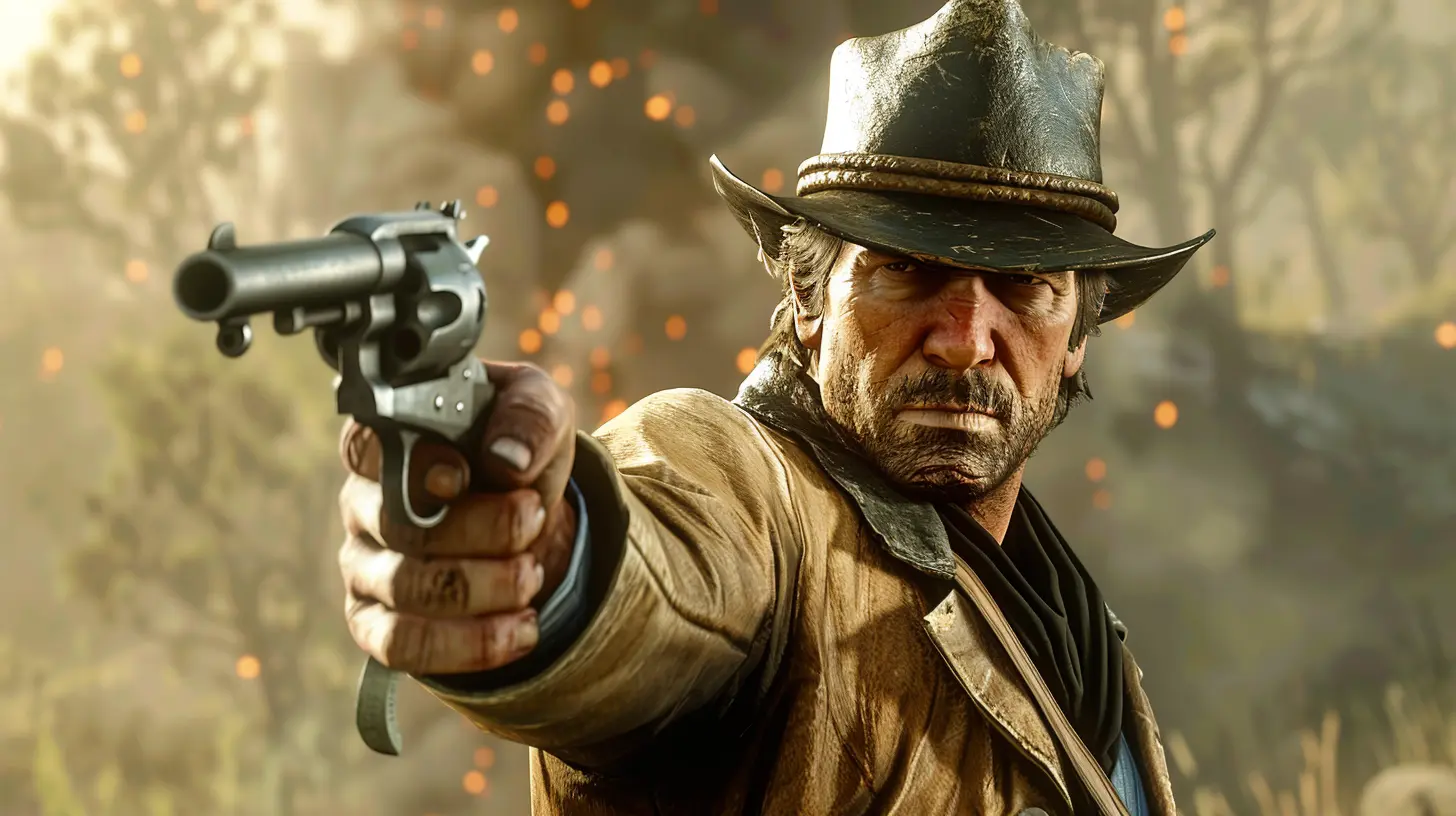
Relationships That Define Him
No character exists in a vacuum, and Arthur is no exception. His relationships with the other characters in Red Dead Redemption 2 give us a deeper understanding of who he is. Whether it’s his complicated bond with Dutch, his mentorship of John Marston, or his tender moments with Mary Linton, Arthur’s interactions reveal so much about his heart.Take his relationship with Dutch Van der Linde, for instance. Dutch is more than just Arthur’s leader; he’s like a father figure. Arthur’s loyalty to Dutch isn’t blind—it’s deeply rooted in years of shared experiences. But as Dutch’s decisions grow increasingly erratic, Arthur starts to see the cracks in the man he once idolized. It’s like realizing your hero has feet of clay, and it’s both heartbreaking and liberating.
Then there’s John Marston, the protagonist of the first Red Dead Redemption. Arthur acts as both a friend and a mentor to John, often pushing him to step up and be the man his family needs. Their dynamic adds layers to both characters and enriches the overarching story. It’s as if Arthur sees a younger version of himself in John—someone who still has a chance to escape the cycle of violence and live a better life.
Let’s not forget Mary Linton, Arthur’s former love. Their interactions are bittersweet, like running into an old flame and realizing what could’ve been. Mary represents the life Arthur could’ve had if he’d made different choices. Her presence in the story is a constant reminder of the sacrifices Arthur made for the gang and the toll it took on his happiness.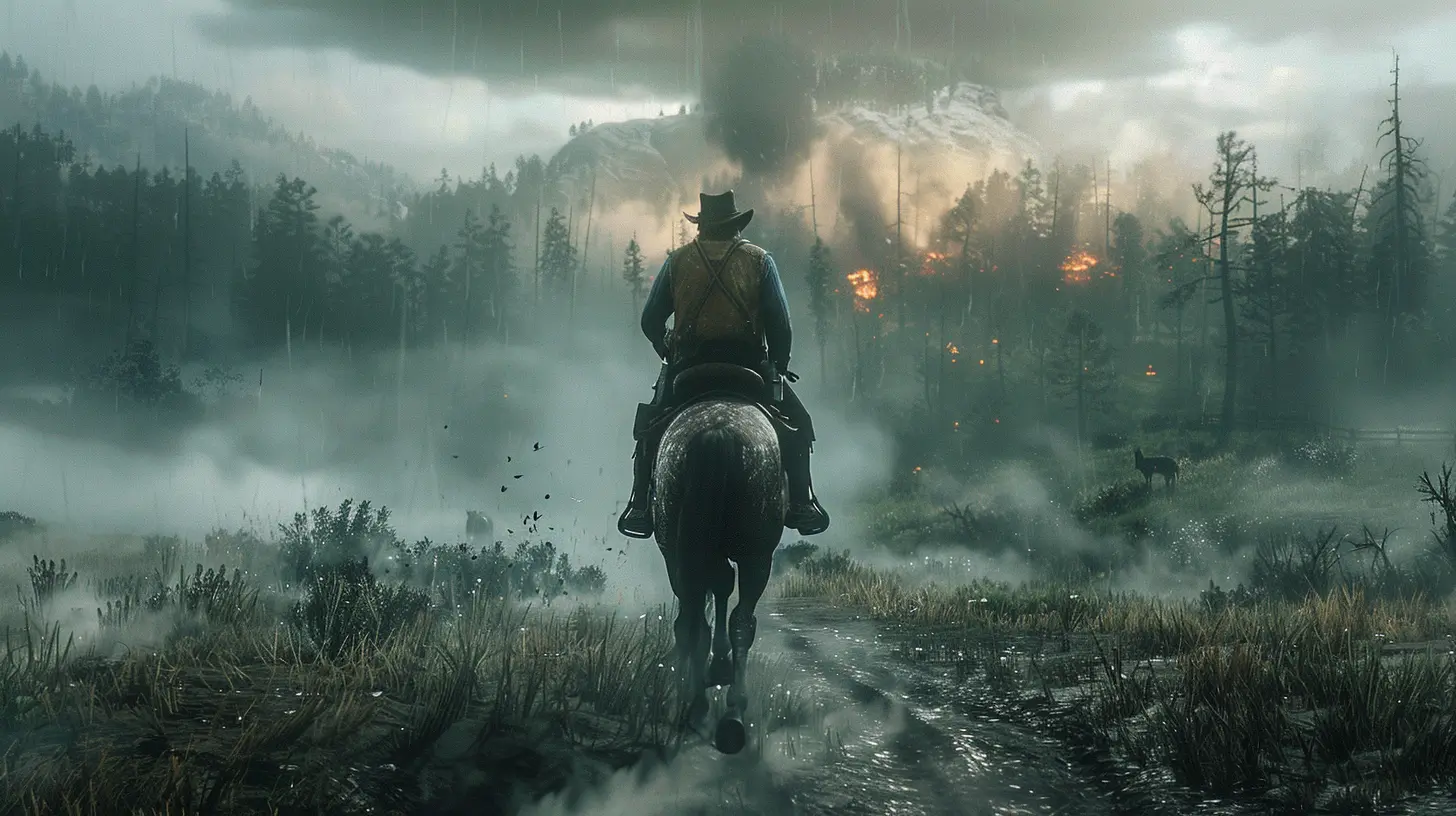
A World That Reflects His Struggles
What’s fascinating about Red Dead Redemption 2 is how its world mirrors Arthur’s emotional journey. The game’s setting is a sprawling, untamed wilderness on the brink of modernization. In a lot of ways, it reflects Arthur himself—a relic of a dying era, struggling to find his place in a world that’s moving on without him.The game's random encounters and side missions also feed into Arthur's character development. Whether he’s helping a widow learn to hunt or giving money to a struggling artist, these small moments add depth to his personality. They show that Arthur, despite his outlaw status, has a profound sense of empathy.
Even the landscape changes as the story progresses. Early on, the world feels lush and full of promise, but as Arthur’s condition worsens, the environment begins to feel more oppressive, almost as if it’s echoing his internal struggles. It’s a subtle detail, but it adds so much to the emotional weight of the story.
The Powerful Impact of Arthur’s Death
Let’s be real—Arthur’s death is one of the most emotionally devastating moments in gaming history. Whether you get the high honor or low honor ending, it’s impossible not to feel a lump in your throat as Arthur takes his final breaths. His death isn't just about him; it's about the legacy he leaves behind.In the high honor ending, Arthur’s final words to John are, "Get the hell out of here and don’t look back." It’s a passing of the torch, a way of ensuring that John doesn’t make the same mistakes Arthur did. In his final moments, Arthur proves that he’s more than just an outlaw. He’s a man who’s found peace in knowing he did the right thing, even if it cost him everything.
But here's the kicker: Arthur’s death doesn’t feel like the end. His spirit lingers throughout the entire epilogue, and you can feel his influence in John’s actions. It’s as if Arthur becomes a symbol of redemption, a reminder that it’s never too late to change.
Why Arthur Morgan Stands Out in Gaming
So, what makes Arthur Morgan one of the greatest video game characters of all time? It’s not just his story, though it’s incredibly well-written. It’s not just his voice acting, though Roger Clark absolutely nailed it (seriously, give that man all the awards). It’s the fact that Arthur feels human. He’s flawed, he’s complex, and he’s trying his best in a world that’s stacked against him.Arthur’s journey resonates with players because it taps into universal themes—loyalty, love, regret, and the search for meaning. He’s not just a character; he’s a mirror, reflecting our own struggles and desires. And that’s what makes him unforgettable.
Final Thoughts
Arthur Morgan isn’t just a name you remember; he’s a character you feel. His journey through Red Dead Redemption 2 is one of the most emotionally rich experiences in gaming, a testament to Rockstar’s storytelling prowess. Whether he’s scribbling in his journal, helping a stranger, or riding off into the sunset, Arthur leaves a lasting impression. His story reminds us that even in the darkest moments, there’s a chance for redemption.So the next time you ride through the plains of New Hanover or the snowy mountains of Ambarino, take a moment to reflect on Arthur Morgan. He’s more than just a cowboy; he’s a legend.
all images in this post were generated using AI tools
Category:
Lore And StorylinesAuthor:

Kaitlyn Pace
Discussion
rate this article
2 comments
Gabriella Wyatt
This exploration of Arthur Morgan’s emotional depth highlights the masterful storytelling of Red Dead Redemption. By intricately weaving themes of redemption, loyalty, and morality, the game invites players to connect deeply with Arthur, leaving a lasting impact that transcends traditional gaming narratives. A truly unforgettable character journey!
April 17, 2026 at 2:53 PM
Kaitlyn Pace
Thank you for your thoughtful comment! I completely agree—Arthur Morgan's journey is a testament to the game's rich storytelling and emotional resonance.
Alexia McLanahan
Arthur Morgan’s journey is a heartfelt masterpiece! Dive in and embrace the feels—gaming doesn't get much better than this!
April 14, 2026 at 4:57 AM
Kaitlyn Pace
I completely agree! Arthur's journey truly captures the heart and soul of the game, making it unforgettable.