The Hidden Power of Patience in Strategy Games
12 February 2026
Ever thrown your controller or slammed your keyboard because things weren’t going your way in a game? We’ve all been there. But here’s the twist—what if I told you that the secret weapon you’ve been ignoring all along is patience?
Yeah, that’s right. Not some overpowered unit, not a god-tier build—just plain ol' patience.
Strategy games thrive on decision-making, planning, and anticipation. But guess what fuels all of that? Patience. And if you’re the type of gamer who likes to rush in guns blazing, this guide might just change the way you play forever.
Let’s dig deep into why being patient puts you miles ahead in the world of strategy games.
Why Strategy Games Are Basically Mental Chess
You’ve heard the saying “strategy games are like chess,” right? That’s because they are. Whether it’s turn-based or real-time, every move matters. One wrong step, and you’re toast.In chess, you don’t just charge across the board—you set traps, control space, play the long game. It’s the same in strategy games. You've got to think five steps ahead, and that kind of foresight? It takes time.
So ask yourself: are you playing to win, or are you just playing to act?
The Difference Between Action and Reaction
Fast fingers can win you battles, sure. But wars? Not so much.Here’s the deal: strategy games reward brain over brawn. That means you need to be reactive and proactive. When you're patient, you give yourself the space to read the battlefield, spot opportunities, and notice red flags.
Impatient players? They jump the gun and walk right into ambushes or overextend. Strategic players? They lie in wait, like a sniper with their crosshairs locked onto victory.
Patience = Information = Power
Consider this: every second you wait (and watch), you're gathering info. You're reading the opponent's patterns, figuring out their build order, noticing how aggressive they are. That’s gold.It's like poker—you don’t win by playing every hand. You win by waiting for the right one. When you're patient, you're basically saying, “I'm not in a rush—I’m in control.”
And if that’s not power, I don’t know what is.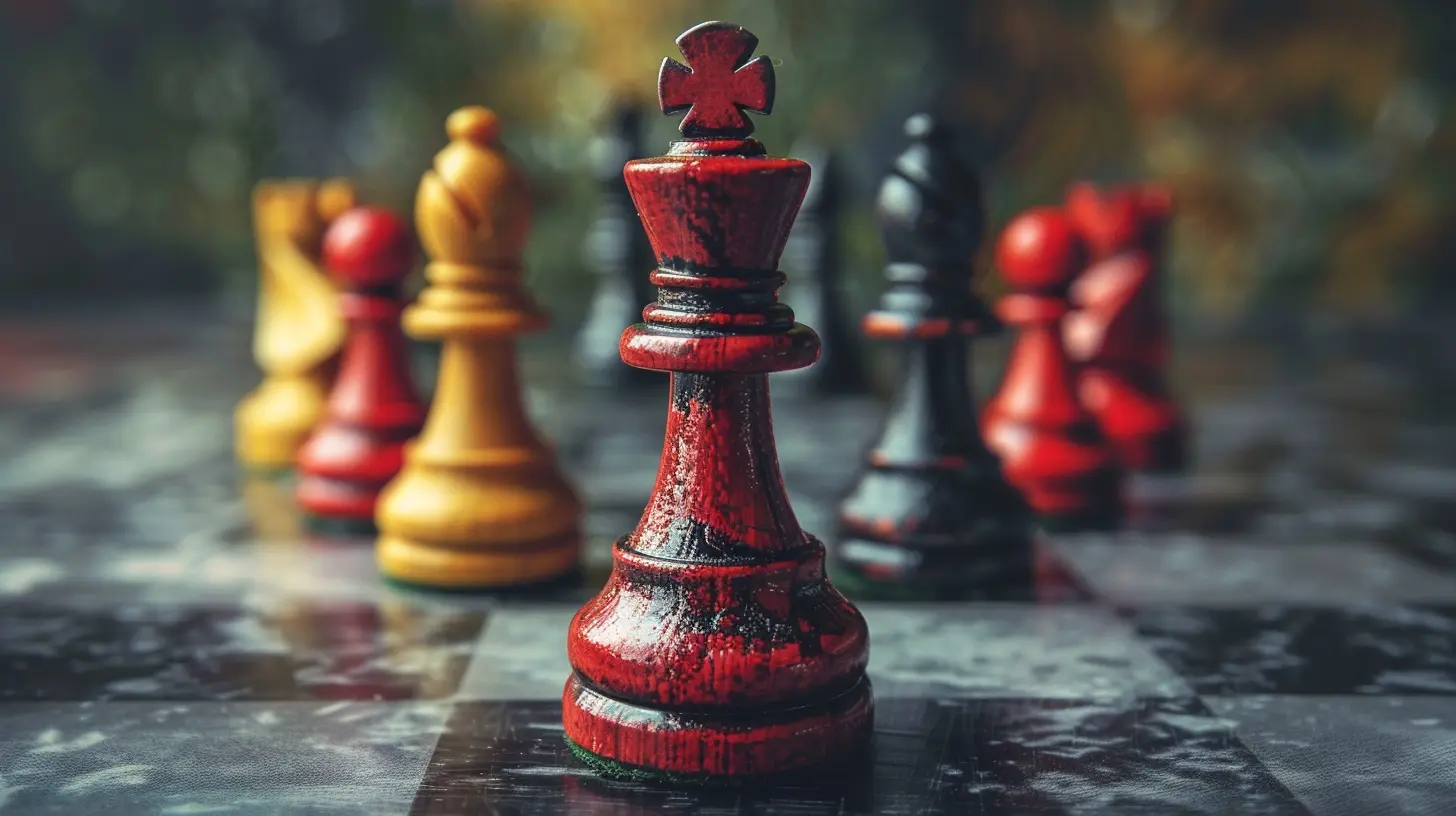
Real-Time Strategy (RTS): Timing Is Everything
In RTS games like Age of Empires, StarCraft, or Company of Heroes, patience plays out in a super interesting way.Let’s say you scout your opponent early. They're booming their economy, no military buildup in sight. Do you strike fast? Maybe. But what if they want you to attack early, just so they can counter with a hidden force?
Many great RTS players build up pressure slowly. They apply delayed but deadly attacks, bait opponents into false security, and then BOOM—hit them when they’re vulnerable.
Being patient lets you time your attacks just right. It's like cooking—take the steak off too soon, and it’s raw. Leave it too long, and it’s burnt. Perfect timing needs patience.
Turn-Based Strategy: The Art of the Long Game
Games like Civilization, XCOM, or Total War are a different beast. They’re slower-paced, yes. But that doesn’t mean they’re easier.Here, patience really shines. You’re managing empires, armies, and sometimes entire galaxies. A single wrong diplomatic move or premature invasion can set you back hours.
Ever made a hasty alliance in Civ just to realize your “friend” is plotting your downfall? Patience could’ve saved you there. Planning, thinking through consequences, waiting for the opportune moment to strike or negotiate—it’s a slow dance, and you need to learn the rhythm.
And in XCOM, don’t even get me started. Charging in without overwatching every turn? Rookie mistake. Patience is literally the difference between victory and a full squad wipe.
Resource Management Requires Discipline
Another place where patience plays a silent but deadly role? Resource management.In games like Stellaris or Crusader Kings, hoarding resources too long can be wasteful—but panic-spending them can be catastrophic. Patience helps you resist those knee-jerk decisions.
You wait until the right moment to build that wonder, launch that fleet, or declare that war. The player with the coolest head usually ends up ruling the map.
Psychological Warfare: Outsmarting the Opponent
You know what really gets under someone’s skin? Silence.In multiplayer strategy games, patience becomes a form of psychological warfare. When you don’t respond to attacks immediately, or when you build up silently with no obvious aggression, other players start to second-guess themselves.
"Why aren’t they attacking? What are they planning?"
That uncertainty? It’s your best friend. While they scramble and stress, you’re calm, collected, and already three moves ahead.
When to Strike—and When Not To
Patience isn’t just about waiting. It’s about knowing what you’re waiting for.You’ve got to be able to spot the golden window—the one where attacking, upgrading, or expanding will bring maximum results with minimal risk.
But let’s be real: sometimes that window never comes. And that’s where the real challenge lies. Patient players must also master the art of restraint. Not attacking at all can sometimes be the best move.
Imagine playing a game of Risk and seeing another player get way too aggressive early on. You let them spread thin, take out some other opponents, burn through their troops—then you move in and clean house.
Winning without fighting immediately? That’s Zen-level strategy.
Patience Builds Confidence
Let’s switch gears for a second. There’s a mental side to gaming we don’t talk about enough.Patience builds confidence. When you’re not rushing, you’re not panicking. You’re learning. You’re growing. Every play becomes intentional. Every move has meaning.
It’s like lifting weights. You don’t become Arnold overnight. You take your time. You get stronger every day. Same thing here. The more you practice patience, the more confident a strategist you become.
How to Practice Patience in Your Gameplay
Ok, so how do you become a more patient player? Here’s a quick rundown:- Slow down. Pause between actions. Think before clicking.
- Review your games. Watch replays to spot rushed decisions.
- Play longer sessions. Strategy is a marathon, not a sprint.
- Set small goals. Don’t jump to world domination. Dominate your corner first.
- Breathe. No, really. Take a breath before making big moves.
It’s not about never acting. It’s about acting with purpose.
Patience Pays Off: Real Examples
Still not convinced? Let’s roll through some examples.- Civ VI Diplomatic Victory: Some players rush for domination. But patient players set up lasting relationships, earn loyalty, and win with influence—not war.
- StarCraft II Zerg Strategy: Instead of rushing with Zerglings, patient players macro up, expand, and roll out a full-on Hydra army that’s straight-up terrifying.
- Total War Series: Waiting for enemy armies to move before launching your own invasion? That’s a checkmate move. It’s all about timing.
It’s not flashy. It’s not loud. But it works.
The Final Word: Play Smart, Not Fast
So many strategy games tempt us with power fantasies—huge armies, massive cities, galactic empires. But all those things mean nothing if you don’t have the patience to wield them properly.The best strategy gamers aren’t always the quickest, the loudest, or even the most mechanically skilled. They’re the ones who know when to act—and when to wait.
So next time you dive into a strategy game, remember: sometimes the strongest move is the one you don’t make. Yet.
all images in this post were generated using AI tools
Category:
Gaming StrategiesAuthor:

Kaitlyn Pace
Discussion
rate this article
2 comments
Casey McAllister
In the world of strategy games, patience is the silent architect of victory. Each move, a whisper in the shadows; each pause, a calculated breath. What secrets does the waiting game unveil? Sometimes, the most cunning strategies lie hidden beneath the surface, waiting for the right moment to strike.
February 22, 2026 at 5:31 AM
Kaitlyn Pace
Thank you for your insightful comment! Indeed, patience reveals the deeper layers of strategy, allowing players to unearth cunning moves that can lead to unexpected victories.
Bethany Sharpe
This article beautifully captures the essence of patience in strategy games. It’s a reminder that sometimes waiting for the perfect moment can lead to the most rewarding victories. Well articulated!
February 13, 2026 at 5:29 AM
Kaitlyn Pace
Thank you for your kind words! I'm glad you found the article resonates with the importance of patience in strategy games.