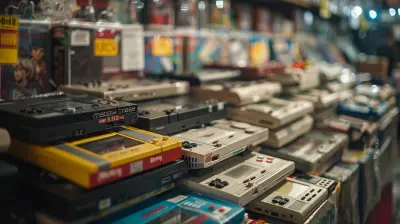
Exploring the Collector’s Market for Retro Consoles
19 December 2025
If you’ve ever felt a surge of nostalgia hearing the startup chime of a GameCube or felt your thumbs twitch at the thought of a pixel-perfect jump in Super Mario Bros. on the NES, you’re not alone. In recent years, a wave of gaming enthusiasts has turned their love of classic games and consoles into a full-blown collectors' craze. Retro gaming isn’t just a trip down memory lane anymore—it’s a high-stakes niche market that’s exploding with interest.
So what’s driving this retro revival? Why are dusty cartridges and plastic brick consoles fetching sky-high prices? Buckle up. We're diving deep into the world of retro console collecting and decoding what makes this old-school gaming trend a modern gold rush.
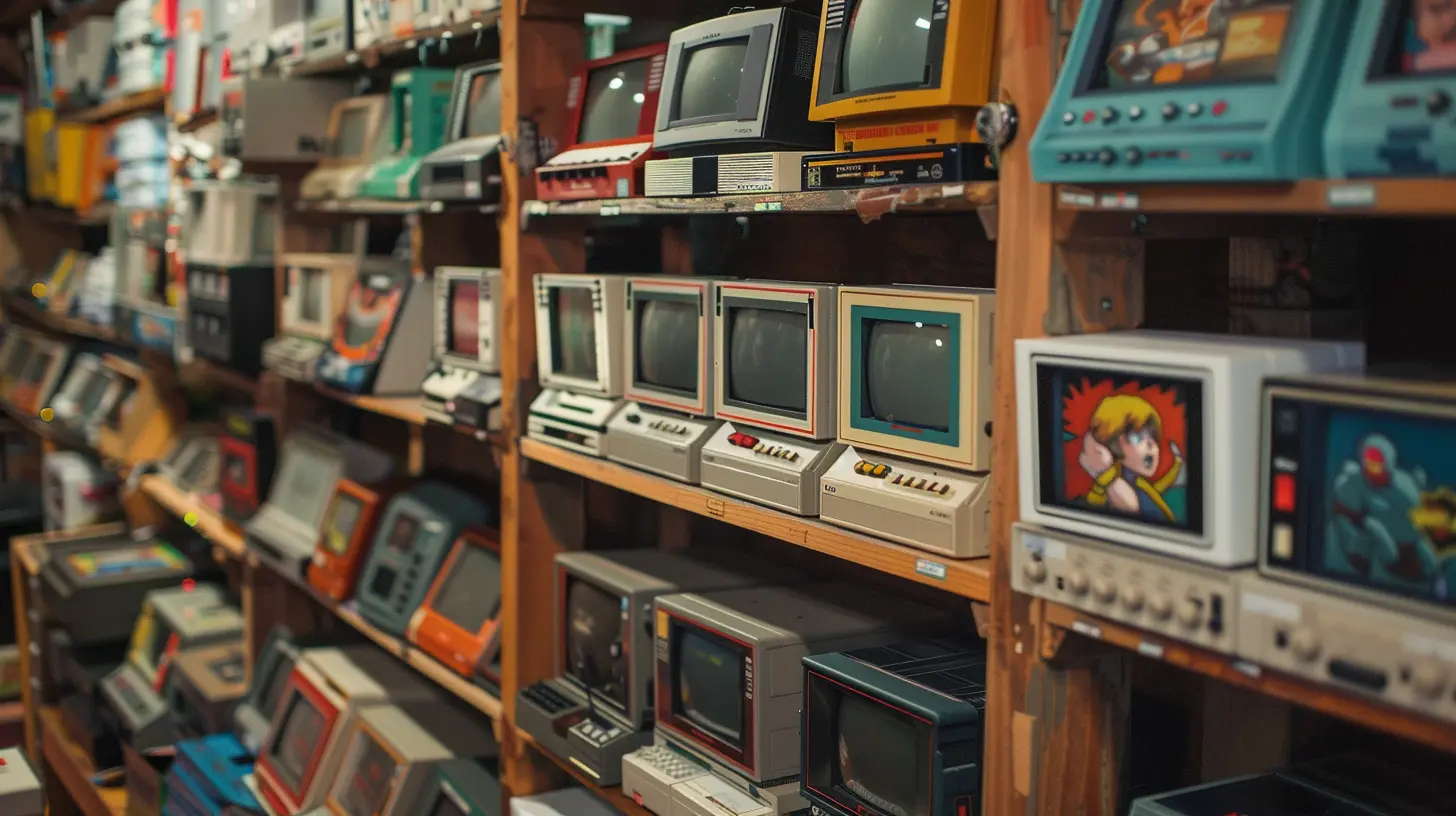
What Counts as a Retro Console?
Before we jump in too far, let’s set the stage. A "retro console" typically refers to a gaming system that’s at least 15–20 years old. Think systems like:- Nintendo Entertainment System (NES)
- Super Nintendo (SNES)
- Sega Genesis
- PlayStation 1 and 2
- Nintendo 64
- Atari 2600
- Dreamcast
Basically, if it came before the PS3, Xbox 360, or Wii, it's probably fair game for the "retro" label. But within the collector community, even handhelds like the Game Boy Color or PSP have carved out their niche.
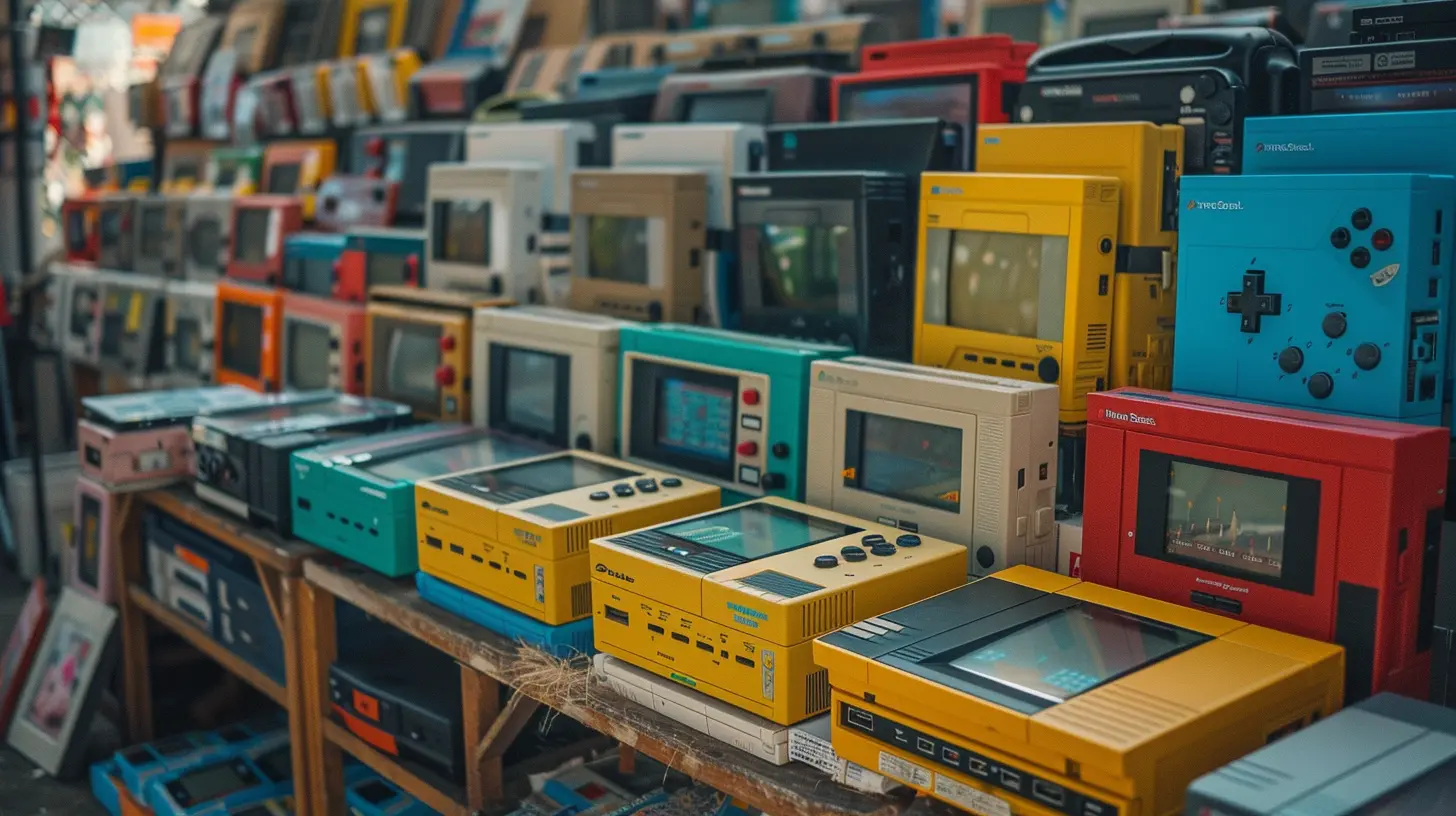
Why Are Gamers Obsessed With Retro Consoles?
1. Nostalgia Is One Powerful Drug
Let’s be real: a lot of us grew up glued to our screens, trying to beat Bowser or guide Sonic through Green Hill Zone. Those hours burned into our memories. Owning an old console isn't just about playing a game—it's about reliving a chunk of childhood. For many, those consoles represent simpler times—before updates, DLCs, and pay-to-win mechanics took over.2. The Physical Media Factor
In today’s digital world, owning something tangible feels refreshing. Retro consoles came with chunky cartridges or CDs you could hold, blow on (we all did it), and pop into the console. That physical nature makes retro gaming feel real, almost like flipping through vinyl records versus streaming on Spotify.3. The Hunt and the Thrill
There’s something undeniably exciting about scouring thrift shops, garage sales, or eBay listings for a rare console or complete-in-box cartridge. It's part detective work, part treasure hunt—and all addicting. Collectors live for that moment of snagging a mint-condition Sega Saturn or an unopened SNES bundle.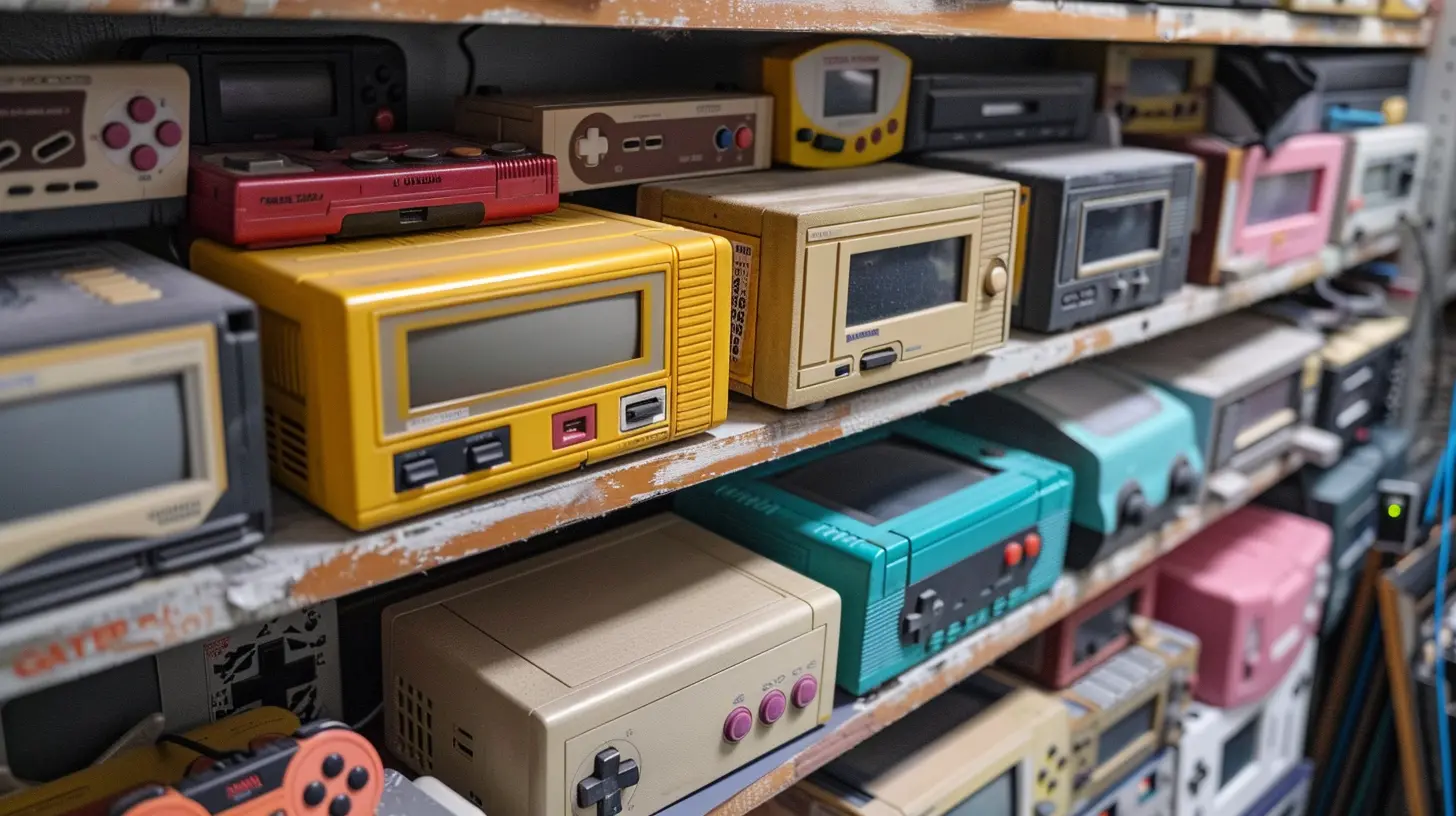
The Economics Behind Retro Console Collecting
Here’s where things start to heat up. Retro consoles aren't just fun—some are downright valuable. The market has evolved from a few hobbyists trading in forums to a booming mini-economy with dedicated online marketplaces, live auctions, grading services, and even professional appraisers.The Supply is Shrinking
Let’s face it: these consoles aren’t being made anymore. Every year, more of them are lost to time, damage, or people cleaning out their attics. That creates scarcity, and in any market, scarcity drives up value.Demand is Higher Than Ever
Thanks to YouTube, Twitch, retro game conventions, and even mini console re-releases (like the NES Classic or Genesis Mini), the spotlight's firmly back on vintage systems. Combine that with Millennial and Gen X gamers now having disposable income, and you see why prices are shooting through the roof.Condition is King
Not all retro consoles are created equal. A yellowed SNES with a frayed power cord won’t fetch nearly as much as a pristine, boxed version with all original components. Some collectors only go for CIB (Complete In Box), while others aim for graded games with sealed packaging. Condition matters—a lot.
Hot Retro Consoles to Watch
Here’s a quick rundown of systems that are especially hot in today’s collector scene:🕹 Nintendo Entertainment System (NES)
The NES started it all for many gamers. It redefined home gaming after the crash of 1983. Because of its importance in gaming history, collectors hold it in high regard. Rare cartridges like Stadium Events or Little Samson can go for thousands.🎮 Super Nintendo (SNES)
With a killer library of RPGs and platformers, the SNES is a collector’s dream. Titles like Chrono Trigger, EarthBound, and Final Fantasy III are still beloved—and highly sought after.🌀 Sega Saturn
A bit of a commercial flop during its release, the Saturn is now treasured for its rarity and niche library. It’s become one of the most expensive consoles to collect for.💿 PlayStation 1
Sony’s entrance into gaming changed the landscape forever. The PS1 was massively popular, but sealed or rare copies of games like Suikoden II, Castlevania: Symphony of the Night, and Tactics Ogre can still fetch high prices.🕹 Atari 2600
The granddaddy of them all. This system isn’t super rare overall, but early versions or obscure third-party titles (like Air Raid) are collector legends.What Makes a Console Valuable?
So what’s the secret sauce that makes one console worth a hundred bucks and another worth a thousand? Several factors play into value:- Condition – Mint condition or factory-sealed? Big bucks.
- Completeness – Console, original box, inserts, manuals? Even better.
- Rarity – Was it a limited edition? Short production run?
- Cultural relevance – Did it have iconic titles or was it tied to a major franchise?
- Functionality – Does it still work? Working units are more desirable.
- Modifications – Surprisingly, untouched original consoles fetch more than modded variants.
The Role of Grading and Authentication
Grading has worked its way from sports cards and comics into the world of retro consoles and games. Companies like WATA and VGA offer grading services that evaluate a product's condition and seal integrity. Once graded, the item is sealed in acrylic and given a rating out of 10. This process not only authenticates the item but can massively increase its resale value.But grading can be controversial too. Critics argue that it commodifies the hobby and puts prices out of reach for average collectors. Regardless, it’s undeniable that graded items dominate the high end of the market.
The Rise of Reproductions and Fakes
Wherever there’s money, there are fakes. Unfortunately, the retro gaming market is flooded with reproduction cartridges, fake boxes, and even counterfeit consoles. A lot of these fakes are sold as replicas, but some shady sellers try to pass them off as originals.If you're diving into the collector world, be vigilant. Ask for high-resolution photos, check seller ratings, and jump into online collector communities to verify authenticity before spending big.
Should You Invest in Retro Consoles?
Let’s get one thing straight—collecting retro consoles can be an investment, but it’s also a gamble. While the value of certain consoles has skyrocketed, the market is still volatile. Here’s a quick pros and cons breakdown:Pros:
- Potential for high returns on rare items
- Tangible assets with rising scarcity
- Strong nostalgic demand
Cons:
- Market unpredictability
- Requires careful storage and handling
- Prices can peak and fall
If you're in it for the money, treat it like any other investment: do your homework, start small, and don’t bet the farm on a single console.
Tips for Aspiring Retro Console Collectors
Ready to dip your toes into the retro pond? Here are some friendly pointers to get you started:- Start with what you know – Go for consoles you personally loved playing.
- Set a budget – It’s easy to go overboard when the nostalgia kicks in.
- Buy from trusted sources – Stick to reputable sites and sellers with a solid track record.
- Join online communities – Forums like r/gamecollecting or dedicated Discord groups can provide valuable info and connections.
- Document your collection – Track what you have and what condition it's in. Apps like GameEye or CLZ Games can help.
- Don’t forget peripherals – Original controllers, memory cards, and cables boost value and authenticity.
The Future of Retro Console Collecting
The collector’s market for retro consoles is showing no signs of slowing. In fact, with major auction houses like Heritage Auctions getting involved and celebrities hopping on the trend, you can expect prices and interest to keep climbing.But more interestingly, the wave of retro console appreciation could influence how modern consoles are designed and archived. As physical media fades and digital-only releases take over, today’s consoles might become tomorrow’s rare finds. Imagine a sealed PlayStation 5 or Xbox Series X being a coveted item in 2040!
Final Thoughts
There’s a magic to retro consoles that modern systems just can’t replicate. Maybe it’s the simplicity, the iconic controllers, or the passionate fan base building shrines around these plastic relics. Whether you’re in it for fun or for fortune, the retro console market is a uniquely rewarding world to explore.So next time you spot an N64 tucked away at a garage sale, don’t brush it off. You might just be holding a piece of gaming history—and a potential goldmine.
all images in this post were generated using AI tools
Category:
Game ConsolesAuthor:

Kaitlyn Pace
Discussion
rate this article
2 comments
Mariana Johnson
Great article! It's fascinating to see the resurgence of interest in retro consoles. I appreciate how you highlighted the unique stories behind these collectibles. As a passionate collector myself, I always find joy in the hunt for these nostalgic treasures. Thanks for sharing!
December 28, 2025 at 4:15 AM
Kaitlyn Pace
Thank you for your kind words! I'm glad you enjoyed the article and can relate to the thrill of collecting retro consoles. Happy hunting!
Victor Robinson
Great insights on the retro console market! Always fascinating to see its evolution.
December 19, 2025 at 4:52 PM
Kaitlyn Pace
Thank you! I'm glad you found it interesting. The evolution of the retro console market is indeed captivating!