Console Wars Revisited: What’s Changed
30 May 2026
Once upon a time, the term “console wars” brought to mind playground shouting matches and message board meltdowns. Nintendo vs. Sega. Sony vs. Microsoft. The debates were passionate, relentless, and steeped in brand loyalty. But fast forward to today’s gaming landscape, and things have evolved—big time.
So, what’s changed? Are we still locked in a never-ending war of bits and exclusives, or has the battlefield shifted into something else entirely? Buckle up, because we’re about to dive headfirst into the modern console war—where cloud gaming, subscription models, and cross-platform play are the new weapons of choice.
The OG Console Wars: A Quick Throwback
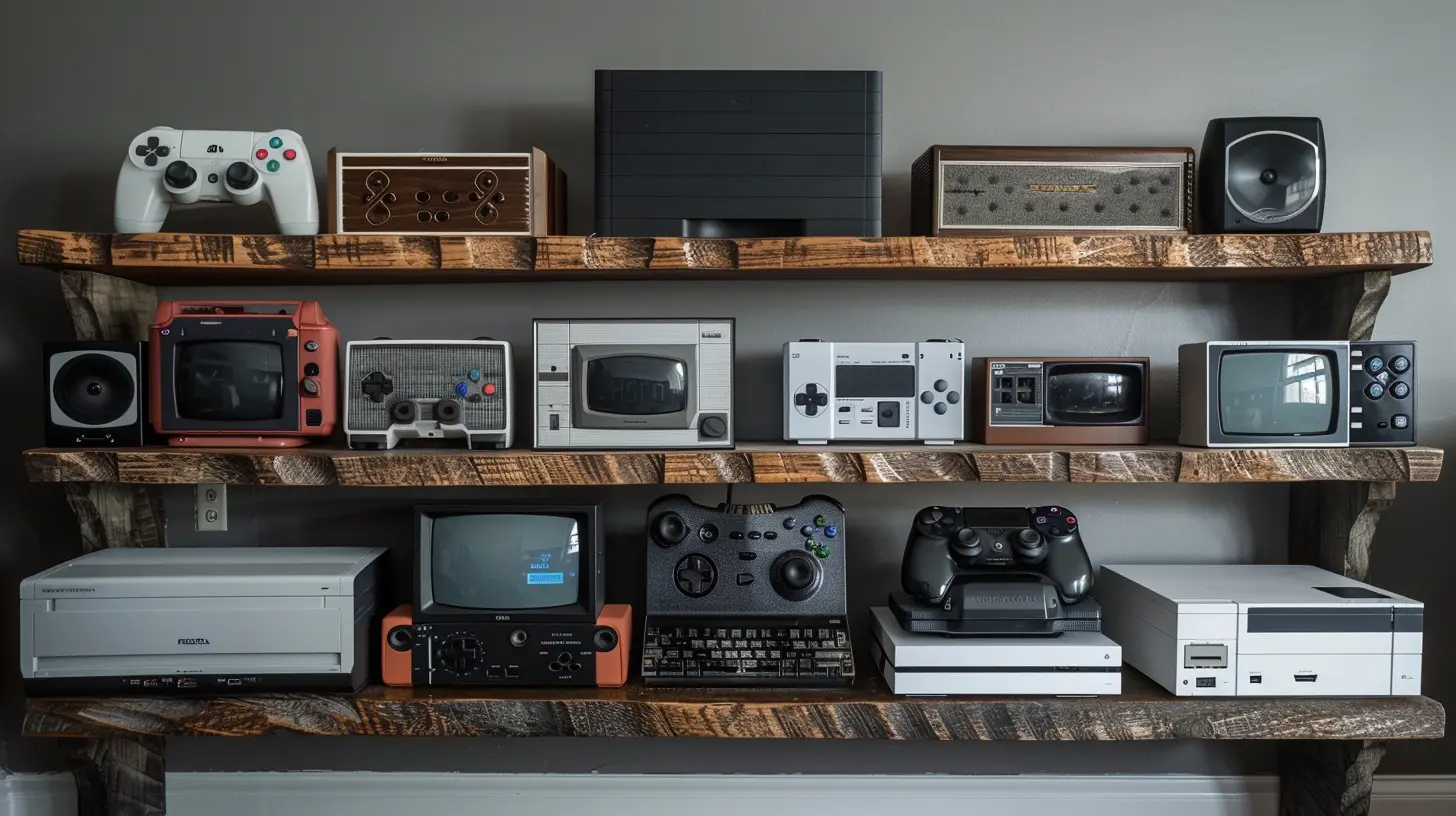
Let’s rewind a little.The 90s were wild. If you were around when Nintendo and Sega were at each other's throats, you’ll remember the blood (slightly exaggerated), sweat, and Sonic vs. Mario debates. Sega screamed “blast processing,” while Nintendo doubled down on character IPs and family-friendly appeal. It was tribalism at its finest.
Then Sony crashed the party in the mid-90s with the PlayStation, outgunning both Sega and Nintendo with a sleek disc-based system and a mature gamer focus. By the early 2000s, Microsoft jumped in with the Xbox, and suddenly it was a three-way brawl.
But while gamers bickered in forums, the companies were busy evolving—quietly preparing to flip the script.
Fast-Forward to Now: What Even Is a Console War?
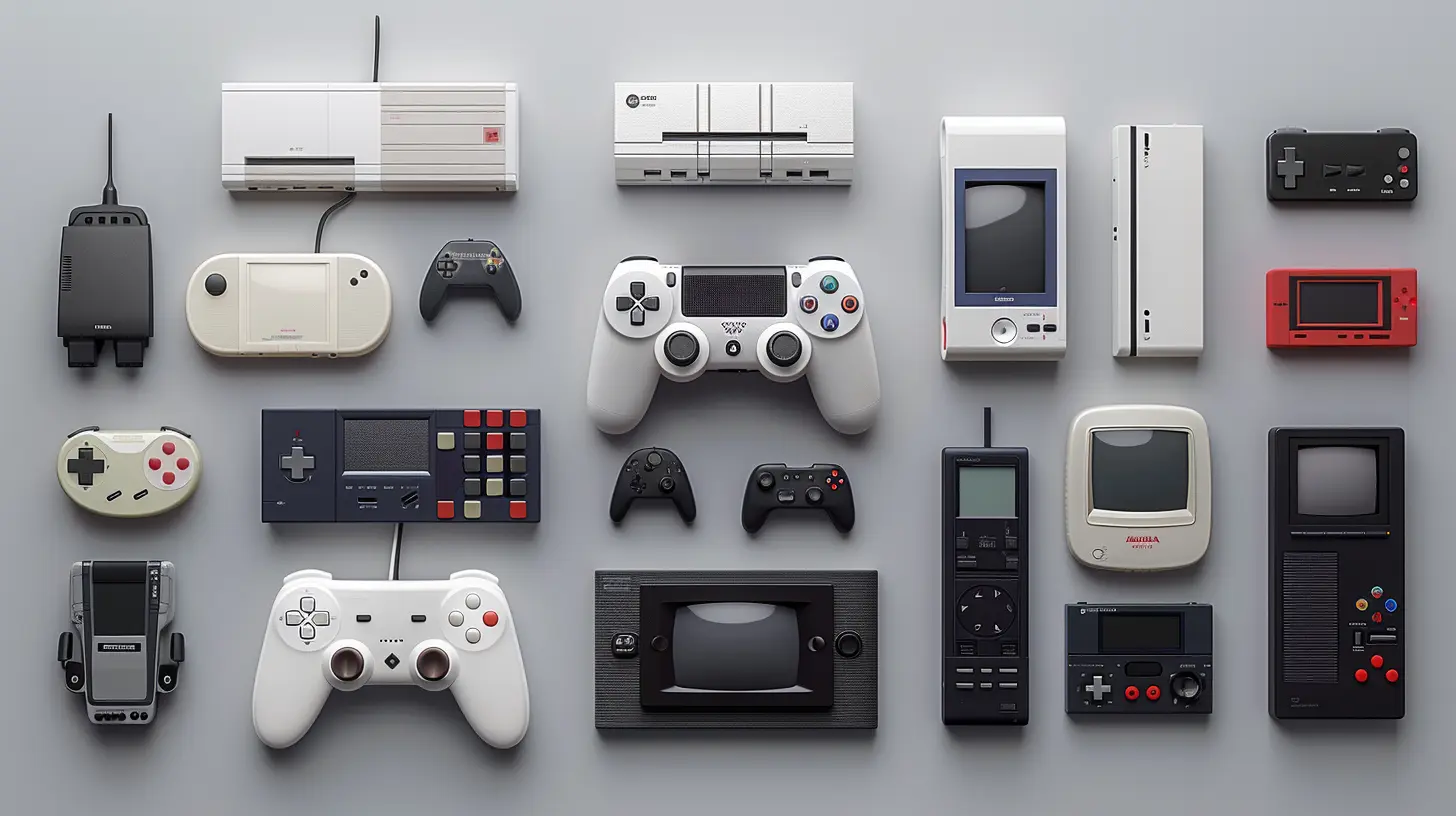
So here we are, in a world with the PlayStation 5, Xbox Series X/S, and the Nintendo Switch still selling like hotcakes. But here’s the plot twist—the modern console war is less about “this machine is better than that one,” and more about ecosystem, services, and how you like to game.Let’s break it down.
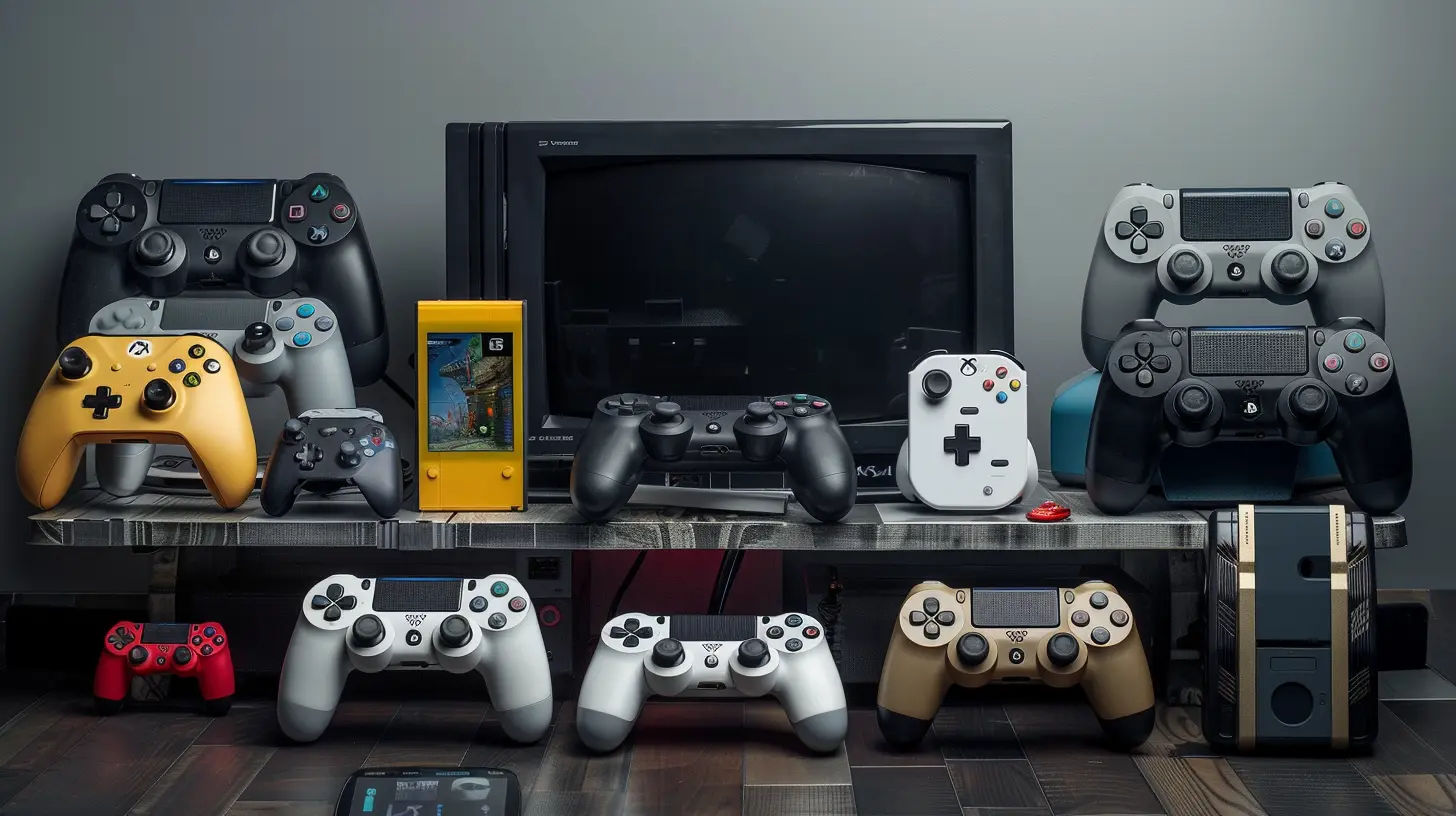
1. ? Hardware Still Matters, But Not Like Before
Don’t get me wrong—hardware still plays a big role. The PS5 and Xbox Series X are both absolute monsters. They’ve got ray tracing, lightning-fast SSDs, and enough horsepower to run some of the best-looking games we’ve ever seen.That said, the arms race over teraflops has taken a back seat to other features. Players aren’t obsessing over raw specs as much these days. Why? Because that 4K, 60FPS performance? It’s solid on both platforms. And unless you’re super techy, you probably can’t even tell the difference between 10 TFLOPS and 12 in the heat of battle.
It’s more like owning a sports car now—you know it’s powerful, but you’re really in it for the ride, the brand experience, and the feel.
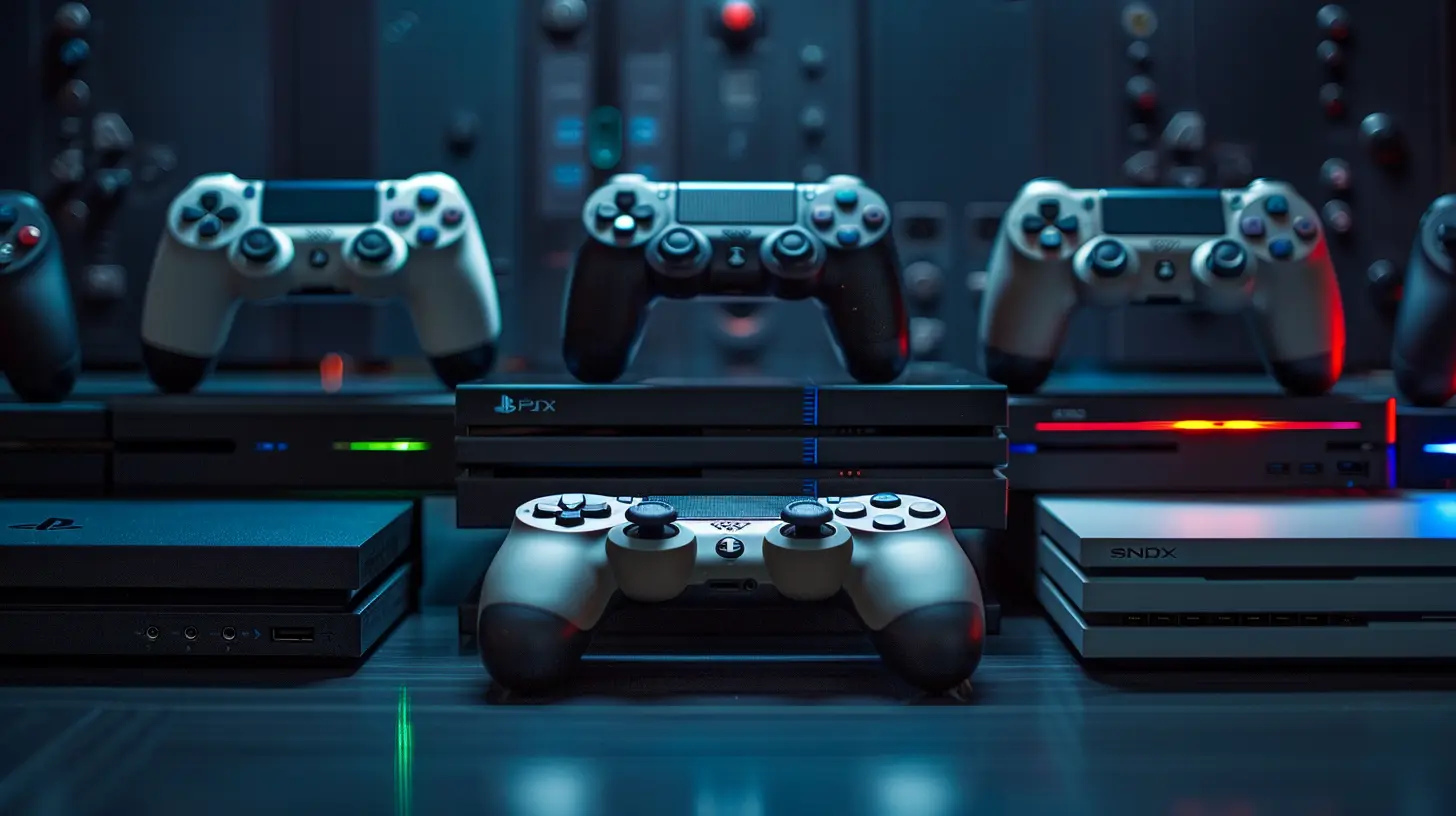
2. ? Exclusives: Still Kings, But Losing the Crown
Ah, exclusives. Once the ultimate flex in the console wars.Sony’s got its powerhouse lineup—God of War, Spider-Man, The Last of Us. Microsoft, after acquiring Bethesda and Activision Blizzard, now owns franchises like Halo, Starfield, and Call of Duty. Nintendo? Still its own kingdom with Mario, Zelda, and Pokémon.
Exclusives still matter, big time. But here’s the catch: they’re becoming less exclusive.
Microsoft’s strategy? Play anywhere. Game Pass lets you play first-party titles across Xbox AND PC. Some former exclusives are even dropping on other platforms now. Sony’s joined the trend too, slowly porting its big hits to PC—a move that would’ve been considered blasphemy years ago.
It’s not that exclusives don’t matter anymore. It’s that players want access, not ownership. And that's a big shift from the old-school mentality.
3. ? Subscriptions: The New Battlefield
Here’s where the real war is happening now—in your wallet.Microsoft’s Xbox Game Pass vs. Sony’s revamped PlayStation Plus tiers? That’s the new front line.
Game Pass has changed the game (pun 100% intended). For a monthly fee, you get access to hundreds of titles, including all major Xbox exclusives on day one. It’s like Netflix for games, and let’s be honest—it’s incredibly good value.
Sony’s answer is its three-tiered PS Plus system, with an expanding library that includes legacy titles and cloud streaming options.
Nintendo’s also got a foot in the door with its NES, SNES, and N64 libraries through Switch Online—and yeah, it’s more nostalgia-driven, but it works for their audience.
These services are redefining how we consume games. And in this war, your monthly subscription is your weapon of choice.
4. ? Cross-Platform Play: The Great Unifier
Remember when playing with friends meant you HAD to have the same console? Those days are melting away.Fortnite, Call of Duty: Warzone, Minecraft, Rocket League—many major titles now support cross-play across Xbox, PlayStation, Switch, and PC. It’s a total game changer (literally).
Cross-platform gaming is taking a wrecking ball to the walls companies once built to lock you in. More and more, it’s becoming about where your friends are, not what box you own.
If anything, cross-play has cooled down the war. You're no longer isolated by your console. You're connected through your game.
5. ☁️ Cloud Gaming: The Next Frontier
Let’s talk about the elephant in the room: cloud gaming.This is where things get futuristic. Services like Xbox Cloud Gaming (formerly xCloud), NVIDIA GeForce NOW, and even PlayStation’s cloud infrastructure are starting to deliver real console-level experiences—without the need for a console. Just a solid internet connection and a screen.
Imagine playing Halo on your browser. Streaming Forza on your tablet. Jumping into a Death Stranding session on your phone. That’s not sci-fi anymore—it’s happening.
And yeah, we still got latency issues to iron out. But let’s be real, the direction is clear: the console itself is slowly becoming less important.
Game streaming could make physical hardware optional. That's not just a new front in the console wars—that's a whole new battlefield.
6. ? Backward Compatibility & Game Preservation
Another area that’s seriously shifted is backward compatibility. In the past? You upgraded and kissed your old library goodbye.Now? Xbox leads the charge with incredible backward compatibility dating back to OG Xbox games. Sony’s playing catch-up, but the PS5 supports PS4 titles and is slowly opening the vault to older classics via PS Plus.
Nintendo… yeah, they’re kind of marching to their own beat with legacy content through Switch Online (and still charging for Wii U ports).
Game preservation is becoming a huge issue. And it’s not just about nostalgia—it’s about value. Gamers spent real money on their libraries, and they expect to bring them along for the ride.
That shift in consumer expectation is pushing companies to rethink how they treat their back catalogs. The war isn’t just about what’s new anymore—it’s also about honoring what came before.
7. ??? Gamer Identity Has Changed
Here’s a truth bomb—not all gamers care about console wars anymore.The average gamer today might not even own a console. They’re on mobile. They’re on PC. They’re streaming on a tablet. They’re casual, hardcore, midcore—whatever that even means now.
Gaming isn’t a niche anymore. It’s mainstream, global, and diverse.
This explosion in gamer identity has made the old console war arguments feel kinda outdated. Gamers today care about inclusivity, accessibility, and social connection more than allegiance to a plastic box.
That’s not to say company rivalries don’t still exist. But now, they’re more about different visions of the future than head-to-head pissing contests.
So… Who’s Winning Now?
That’s the million-dollar question, right?Honestly? Everyone’s winning.
- Microsoft is dominating the service game with Game Pass and flexing serious acquisition muscle.
- Sony holds the crown in blockbuster single-player experiences and global brand power.
- Nintendo is off doing its own magical thing (and printing money doing it).
The “winner” really depends on what kind of gamer you are. Want top-tier exclusives? Go PlayStation. Want the best value and options? Xbox. Want quirky, fun, and portable? Nintendo’s your jam.
This isn’t one war—it’s multiple fronts. And that’s kind of awesome.
Final Thoughts: The War Has Changed, But It’s Far from Over
We don’t throw shade about “blast processing” anymore. We don’t scoff at discs vs. cartridges. Instead, we debate subscription perks, controller ergonomics, and which platform supports cross-save.The console war isn’t dead—it’s evolved. It's smarter, more complex, and more player-focused.
And you know what? That’s a good thing.
Whether you’re a die-hard PlayStation loyalist, a Game Pass evangelist, or a Nintendo lifer, you’re part of a gaming golden age. The battlefield has expanded, and the choices have never been better.
So stop worrying about which console “wins.” The real victory? It's us—the players.
all images in this post were generated using AI tools
Category:
Game ConsolesAuthor:

Kaitlyn Pace
Discussion
rate this article
2 comments
Kade Reyes
Great insights! Exciting times for gamers ahead... keep it up!
August 9, 2026 at 3:23 AM
Kaitlyn Pace
Thanks for the kind words! Exciting times indeed. Stay tuned for more updates!
Sabina Tucker
Great insights on the evolving console landscape! It's fascinating to see how player preferences and technology have shifted over the years. Looking forward to more discussions on what the future holds for gaming platforms. Keep up the good work!
June 4, 2026 at 2:49 AM
Kaitlyn Pace
Thanks for your thoughts! The evolution of gaming is indeed exciting, and I appreciate your support. Looking forward to more discussions too!