Exploring the Sound Design in Leading Game Consoles
26 April 2026
When we think about game consoles, it’s easy to get caught up in graphics, processing power, or controller design, right? But there’s something equally powerful that often flies under the radar — sound design. Trust me, without great sound, even the most visually stunning games would fall flat.
From the nostalgic beeps of retro gaming to the ear-tingling 3D audio of modern consoles, sound design has come a long way. And in this post, we're going to deep dive into how the big players — PlayStation, Xbox, Nintendo, and even PC platforms — have crafted unique sonic landscapes that pull players into their digital worlds.
So, grab your headphones (figuratively, unless you’re that into it), and let’s dive into the world of game console sound design.
Why Sound Design Matters in Gaming
Before we get into the consoles, let's talk about why sound design is such a big deal.You ever played a horror game with the sound off? It's nowhere near as terrifying. That creaking door, the distant footsteps, the sudden screech — they’re all designed to mess with your head. Or how about that adrenaline rush you get during boss battles in an RPG, intensified by the swelling orchestral music?
Sound is more than just background noise. It:
- Sets the mood and tone
- Gives players feedback (think: footsteps, alerts, reloading sounds)
- Tells stories
- Enhances immersion
- Can even give you a gameplay advantage
Honestly, a game without sound would be like a movie without music. Technically complete, but emotionally hollow.
The Evolution of Sound in Game Consoles: A Quick Flashback
Let’s roll the clock back. Remember the 8-bit chirps of the NES or the catchy MIDI tunes on the SNES?In the early days, consoles had serious hardware limitations. Sound chips were basic and offered just a few audio channels. But developers got creative. Games like Super Mario Bros. and Zelda became iconic not just for gameplay, but for their unforgettable soundtracks.
Fast forward to the CD era with PlayStation 1. Suddenly, games could include actual recorded audio — voice acting, richer music, better effects. It was a game-changer.
And now? Modern consoles boast spatial audio, realistic acoustic modeling, and support for high-fidelity sound formats. It’s a whole new ball game.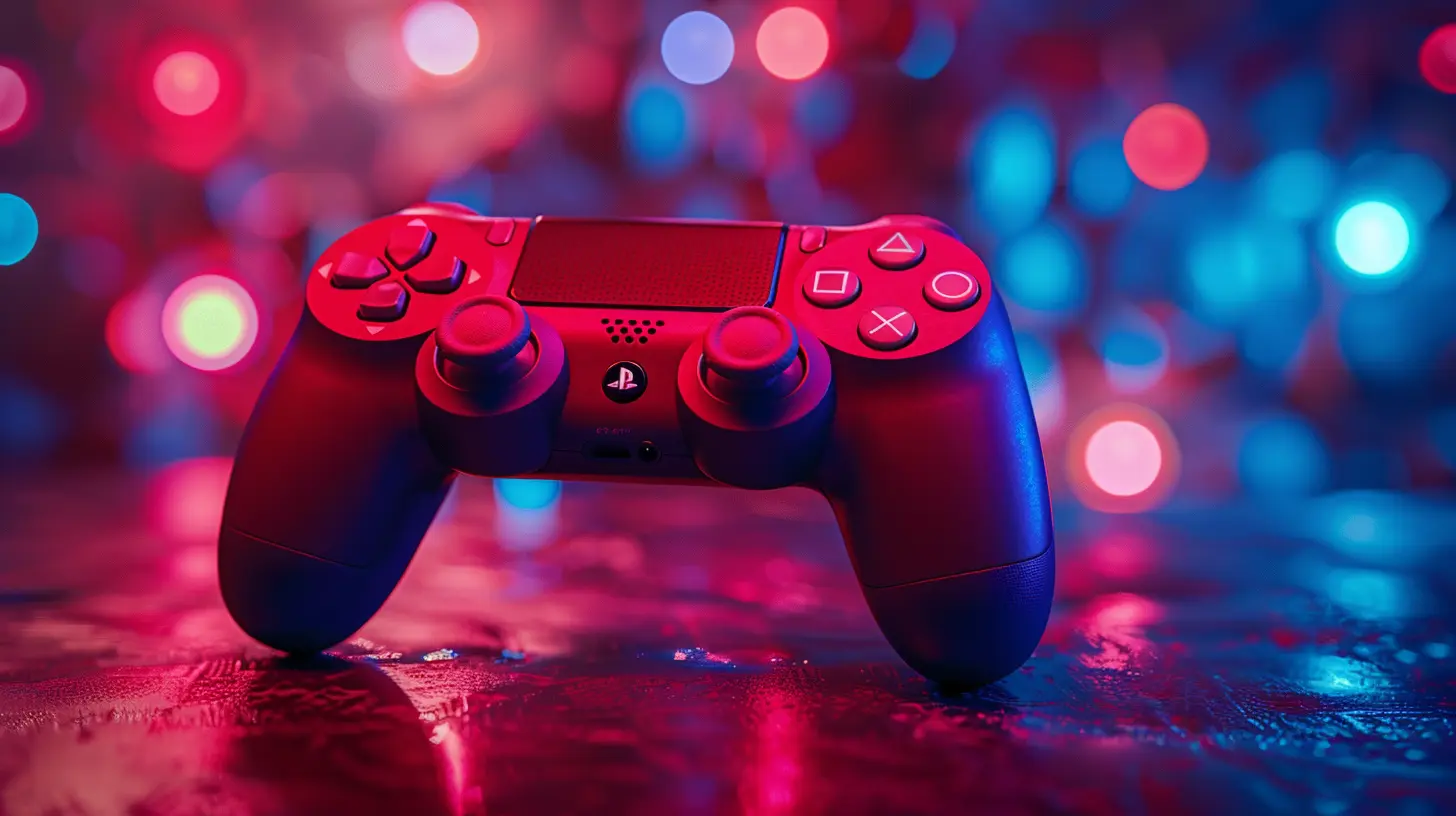
Sound Design in PlayStation Consoles
PlayStation 5: The 3D Audio Revolution
Sony went all-in with sound on the PS5. You’ve probably heard about the Tempest 3D AudioTech, right? It’s not just marketing mumbo-jumbo.This custom engine creates a 3D soundscape using something called "HRTF" (head-related transfer function). Basically, it simulates how sound hits your ears from different angles, making the game world feel like it's physically around you.
What’s awesome is that you don’t need a $300 headset to experience it — even basic headphones can tap into that immersive audio magic.
Games like Returnal and Ratchet & Clank: Rift Apart take full advantage of it. You can literally hear raindrops falling in different spots or enemies creeping up behind you with pinpoint accuracy.
Voice Acting and Music Scoring
Sony’s first-party games are known for top-tier production. Whether it’s the emotional score in The Last of Us or the powerful dialogues in God of War Ragnarok, the PS5 proves that cinematic-quality audio is essential for storytelling in games.
Xbox Series X|S: Audiophile Delight
Dolby Atmos and Windows Sonic Support
Microsoft has been playing the audio game just as well. Xbox Series X|S consoles support Dolby Atmos, DTS:X, and Windows Sonic out of the box.For non-techies, Dolby Atmos is basically surround sound on steroids. It doesn’t just move sound left to right or front to back — it adds verticality. Think helicopters flying over your head, or magical debris falling from above during epic battles.
Halo Infinite and Gears 5 sound absolutely nuts in Atmos — every shot, explosion, or voice line has depth and clarity.
Smart Audio Tech
Xbox also uses spatial audio algorithms to adapt sound based on your setup. Whether you're using headphones, a soundbar, or a home theater system, the console can optimize output to match it.Plus, Xbox Game Studios are no slouches when it comes to immersive soundtracks and top-notch voice performances. Just listen to Hellblade: Senua’s Sacrifice with headphones — its binaural audio technique makes voices whisper in your ears… it’s both cool and super creepy.
Nintendo Switch: Portable, But Powerful
Okay, so the Switch doesn’t have Dolby Atmos or advanced 3D audio engines — but it still nails sound design in its own quirky way.Nintendo games focus more on stylized, cleverly designed audio. Think of the satisfying coin sounds in Mario, or the chill lo-fi creepiness in Animal Crossing during a rainstorm. It’s all part of the Nintendo charm.
Simplicity Meets Creativity
Nintendo’s philosophy has always been about gameplay-first design. And with that comes audio that’s clear, functional, and memorable. You may not get hyper-realistic engine noise in Mario Kart, but the exaggerated revving and drift sounds make the experience more fun.And let’s not forget that The Legend of Zelda: Breath of the Wild uses ambient environmental sound in a breathtaking way. Birds chirp, grass rustles, wind howls — it all builds an emotional connection to the open world.
PC Gaming and Custom Audio Systems
Alright, PCs may not be "consoles" per se, but they’re gaming platforms worth talking about — especially since the audio possibilities are practically limitless.Hi-Res Audio and Customization
PC gamers can equip themselves with high-end DACs, audiophile headphones, or even studio monitors. Whether you're playing competitive shooters like CS:GO or immersing yourself into atmospheric adventures like Cyberpunk 2077, the flexibility of PC audio setups is unrivaled.From using software like Razer Surround or SteelSeries Sonar to tuning EQ levels with precision, PC gives you granular control over every audio aspect.
Plus, VR games on PC — like Half-Life: Alyx — show just how crucial sound is to full immersion. Sound design in VR isn’t just detail; it’s fundamental to gameplay.
The Human Element: Audio Design Teams Behind the Magic
We can’t talk about sound design without tipping our hats to the audio engineers, composers, and sound designers behind the scenes. These folks are literally sculpting the sonic DNA of your favorite games.They decide what a laser gun sounds like in a sci-fi setting or how a dragon's roar echoes in a cave. They blend layers of ambient noise, orchestrate adaptive music scores, and sync footstep sounds to motion animations.
Sometimes, something as simple as reverb changes the whole mood of a scene. Dark tunnel? Add echo. Open field? Light breeze and expansive stereo width. It’s surgical work — sound doctors, if you will.
Sound Design Tools and Middleware
Ever heard of Wwise or FMOD? These are audio middleware tools developers use to create dynamic sound experiences.For example, a racing game might use FMOD to sync engine noises to speed, road texture, or even car damage. Walking through snow in an RPG? Your footstep sounds change based on the weather and terrain — all thanks to these powerful tools.
These tools allow for reactive, adaptive soundscapes — the kind that makes modern games sound so alive.
What’s Next in Console Sound Design?
It’s kind of exciting to think where we’re heading, right? Game audio is evolving just as quickly as visuals and gameplay mechanics.Here are a few things we might see more of:
- AI-generated soundscapes that evolve based on player behavior.
- Personalized audio profiles (Sony is already dabbling in this).
- True head-tracking audio in standard games, not just VR.
- Dynamic voice modulation for online games — imagine sounding like your in-game character!
The line between real world and game world will only get blurrier, and sound will play a massive role in that transition.
How to Enhance Your Own Gaming Audio Experience
Want to get the most out of your console’s sound design? Here are a few quick tips:- Invest in a decent pair of headphones. Even $50 ones can make a difference.
- Use the console’s audio settings (PS5 has tuning features for your ear shape!).
- Enable spatial audio formats like Dolby Atmos or Windows Sonic if your console and speakers support it.
- Play in a quiet room (obvious but underrated).
Great sound design is already baked in — you just need the right setup to appreciate it.
Final Thoughts
Sound design in modern game consoles isn’t just a background player — it’s a leading character. It builds worlds, emotions, and mechanics in ways visuals alone never could. From whisper-quiet ambiance in Zelda to the sonic booms of Halo, every console brings something unique to the table.Next time you boot up a game, don’t just look — listen. You might be surprised how much is going on in your ears.
all images in this post were generated using AI tools
Category:
Game ConsolesAuthor:

Kaitlyn Pace
Discussion
rate this article
2 comments
Darby McMahon
Sound design in games? It's like the hidden chef seasoning your favorite dish. You don't realize how much you need it until it sneaks in a spine-chilling whisper while you're just trying to sneak past a dragon... yikes!
May 6, 2026 at 4:32 AM
Kaitlyn Pace
Absolutely! Sound design really does set the mood and pulls you into the experience. It's amazing how much it enhances those tense moments.
Desiree Spencer
Sound design in gaming elevates immersion, shaping players' experiences through dynamic audio landscapes. From subtle environmental cues to impactful music scores, consoles like PS5 and Xbox Series X leverage cutting-edge technology, enhancing narrative depth and player engagement in ways that are both innovative and captivating.
May 2, 2026 at 2:34 AM
Kaitlyn Pace
I completely agree. Sound design truly transforms gameplay, making each moment more impactful and engaging. It's fascinating how consoles like the PS5 and Xbox Series X push these boundaries further.