Can Playing Video Games Actually Lower Cortisol? What 2026 Research Reveals
June 9, 2026 - 00:56

A growing body of research from 2026 suggests that video games may help reduce cortisol, the body's primary stress hormone, but the effect depends heavily on the type of game and how you play it. Scientists have been investigating this connection for years, and the latest studies offer a clearer picture of when gaming helps and when it might backfire.
The key finding from multiple 2026 studies is that casual, low-stakes games with repetitive mechanics tend to produce the most consistent cortisol reductions. Puzzle games, farming simulators, and rhythm-based titles appear to shift the brain away from stress responses and into a more focused, meditative state. One study tracked cortisol levels in participants who played a simple block-matching game for 20 minutes and found an average drop of 18 percent compared to a control group that sat quietly.
However, the research also highlights important limits. Competitive multiplayer games, especially those with ranking systems or timed objectives, often raise cortisol rather than lower it. Players in these environments showed elevated stress markers even when they reported feeling "engaged" or "excited." The difference seems to come down to perceived control and pressure. Games that let you set your own pace and fail without penalty appear to calm the nervous system, while games that demand rapid reactions or punish mistakes trigger the opposite effect.
The evidence still falls short in a few areas. Most studies are small and short-term, usually measuring cortisol immediately after a single gaming session. Researchers have not yet confirmed whether regular gaming produces lasting changes in baseline stress levels. There is also the question of individual differences. Someone who finds gaming frustrating or who plays to escape real problems may not experience the same benefits as a casual player.
For now, the 2026 research suggests that if you want to lower cortisol through gaming, choose a non-competitive title with simple goals, play for no more than 30 minutes, and pay attention to how you feel afterward. The science is still building, but the early signs point to gaming as a potential stress management tool, not a cure-all.
MORE NEWS

October 22, 2026 - 04:27
After Years of Strife and Sabotage, BioWare Is Gone and Gaming Is Lesser for ItThe closure of BioWare marks the end of one of the most influential studios in role-playing game history. After years of internal turmoil, staff departures, and a string of projects that never...

October 21, 2026 - 00:24
Great Video Games for Kids Who Are Still Learning to ReadFinding video games for young children can be tricky, especially when a child is not yet reading or is just starting to recognize words. Plenty of games rely on text instructions, menus, and...
October 20, 2026 - 10:59
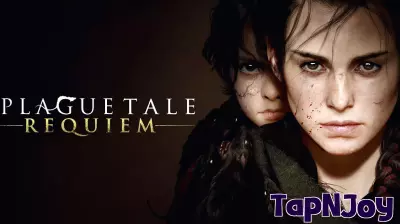
A Plague Tale: Requiem Falls Short of Its PotentialA Plague Tale: Requiem arrives as a follow-up that does many things well but ultimately struggles to match the impact of its predecessor. The game presents players with a visually striking world...

October 19, 2026 - 22:41
New US Bill Aims to Give Gamers Real Ownership of Their GamesA newly introduced piece of legislation in the United States is taking aim at the long standing practice of treating digital game purchases as temporary licenses rather than actual sales. The bill,...