When to Rush and When to Defend in Multiplayer Matches
8 June 2026
Let’s be real—multiplayer matches are like adrenaline-packed chess games. One moment you’re plotting the perfect ambush, and the next, your base is getting steamrolled by a surprise rush. Whether you’re diving into your very first online match or you're a battle-hardened veteran, knowing when to rush and when to hunker down is what separates mediocre players from the legends.
In this guide, we’re going to untangle the mystery behind these two core strategies: rushing and defending. Because no matter which game you're into—be it RTS, FPS, MOBAs, or even hero shooters—timing and decision-making are everything. So, grab your energy drink, get comfy, and let’s level up your strategic game sense.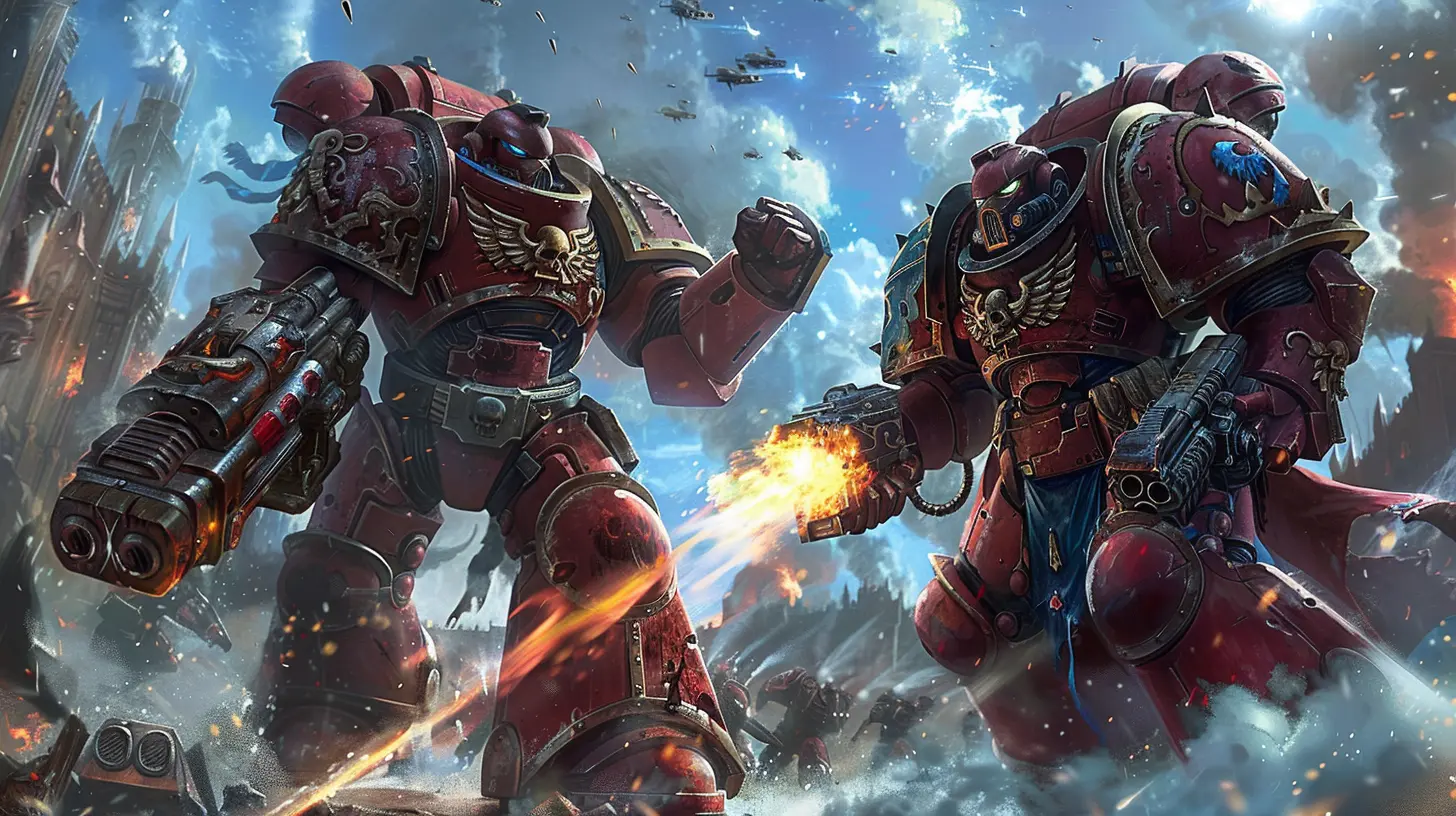
What Does "Rushing" Really Mean?
Let’s start with the basics. Rushing is all about early aggression. It's when you gather your best units (or even just basic ones), abandon rich build orders, and launch an all-out assault on your opponent before they can properly react.You’ve probably heard it called different things in different games:
- Zerg Rush in StarCraft
- Early Push in Age of Empires
- First Blood Rush in MOBAs
- Spawn Rush in FPS titles
Rushing is designed to do one thing: throw your opponent off their game. It disrupts their rhythm, messes with their economy or positioning, and often forces them into panic mode.
But... and this is important—it’s not always the best move.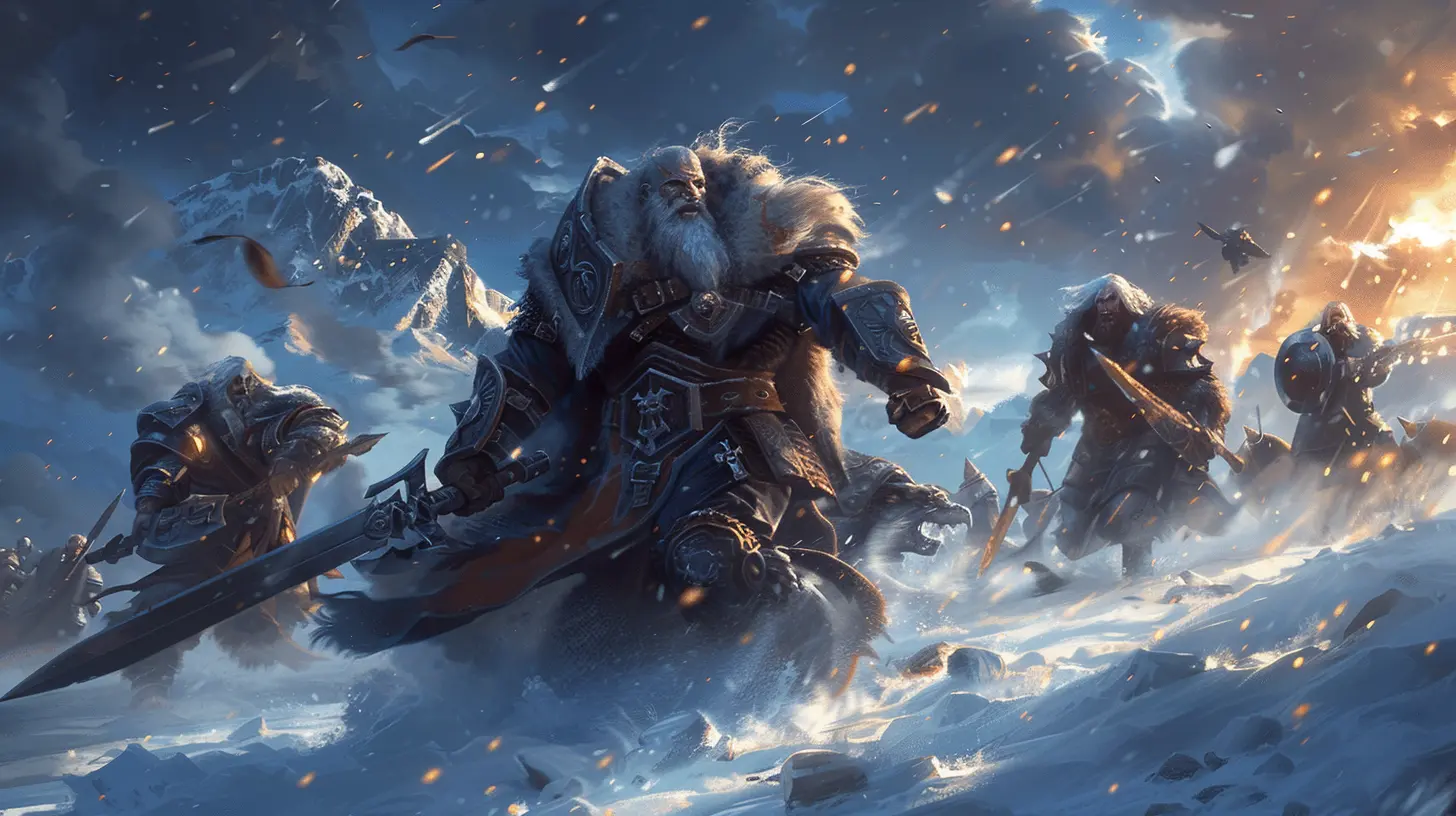
What Does "Defending" Mean in Multiplayer Games?
Defending, on the other hand, is the yin to rushing’s yang. It’s all about patience, reading your opponent, and being prepared for whatever madness they decide to hurl at you.Think of defending like being a goalie in soccer. You don’t always know where the shot’s coming from, but you’re positioned, alert, and ready to save the day.
This method usually involves:
- Building up a strong economy or base
- Fortifying key areas
- Protecting weak teammates
- Waiting for the enemy to make a mistake before you strike
It’s not glamorous, but it’s incredibly effective when done right.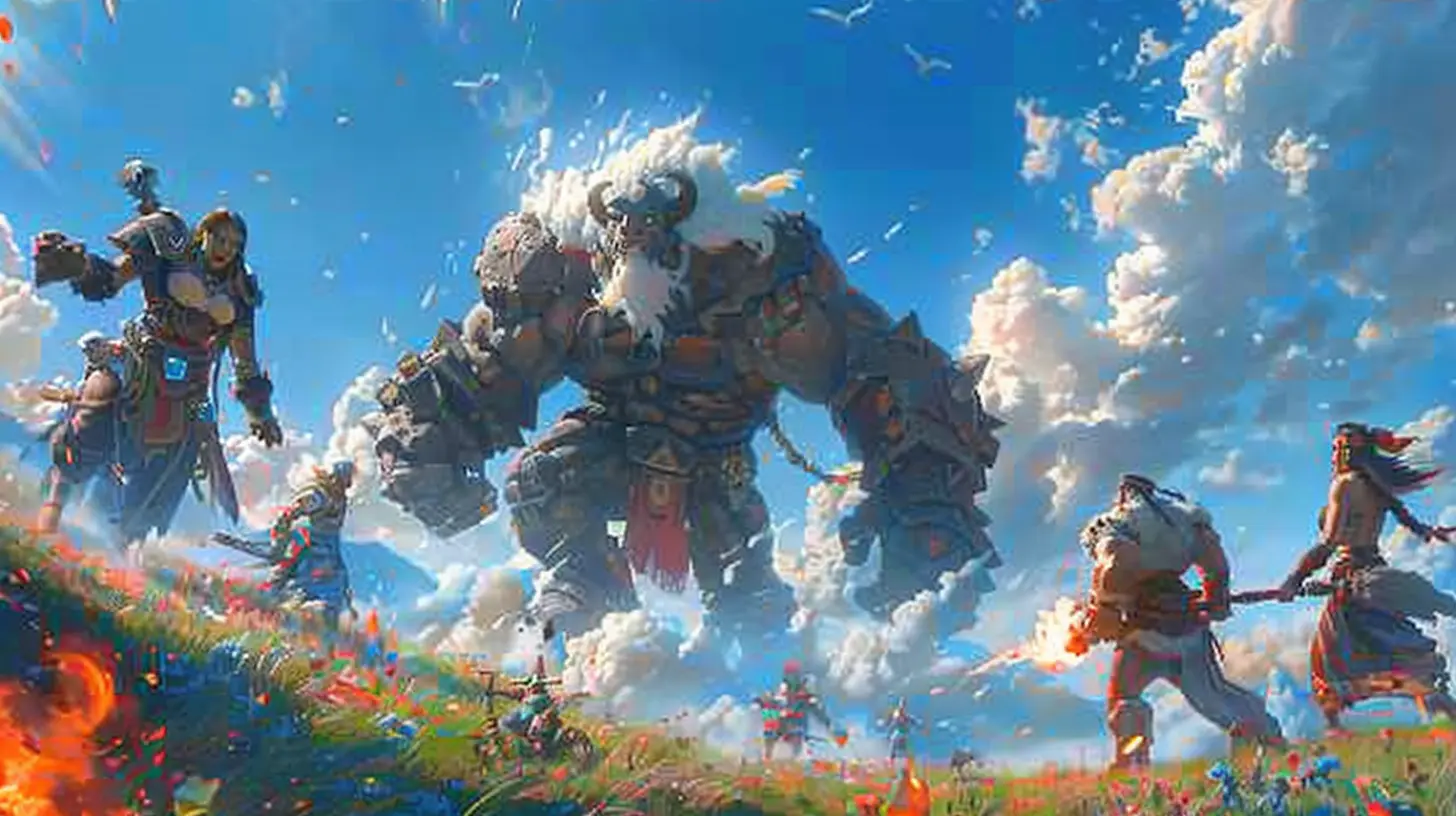
So... When Should You Rush?
Here’s the golden question. You don’t want to rush every game like a headless chicken. Let’s look at when it actually makes sense to hit hard and fast.1. When You Know the Enemy is Vulnerable Early
Got some early-game units that are cheap but deadly? Or maybe your opponent is one of those players who takes forever to tech up or turtle in their base?Perfect.
Rushing is ideal when you can capitalize on your early strength and your opponent’s slow start. It’s like catching them with their pants down—not pretty for them, but satisfying for you.
2. Before They Hit Their Power Spike
Every game has power spikes—those moments when a player or faction suddenly becomes super powerful. If you wait too long, they’ll steamroll you.Knowing your opponent has a huge upgrade or unit coming at the 5-minute mark? Hit them at 4:30. Early aggression can mess with their plans and delay their progress.
3. If You’re Up Against a Passive Player
Some players just love to turtle. They’ll sit back, build up a fortress, and hope you come to them.Don’t give them that luxury.
Rushing a passive player early can throw their strategy into chaos and prevent them from ever hitting peak performance.
4. When You Need to Take Control of the Map
In games with map control elements—like capturing zones, resources, or objectives—an early rush can secure those critical points and force your opponent to play catch-up.Map dominance early on? That’s a big win.
5. You’ve Got a Team with Early Game Synergy
In team-based games like MOBAs or FPS titles, if your squad’s composition favors quick kills and mobility, an early aggressive play can snowball into a lead that’s hard to come back from.It’s all about playing to your strengths from moment one.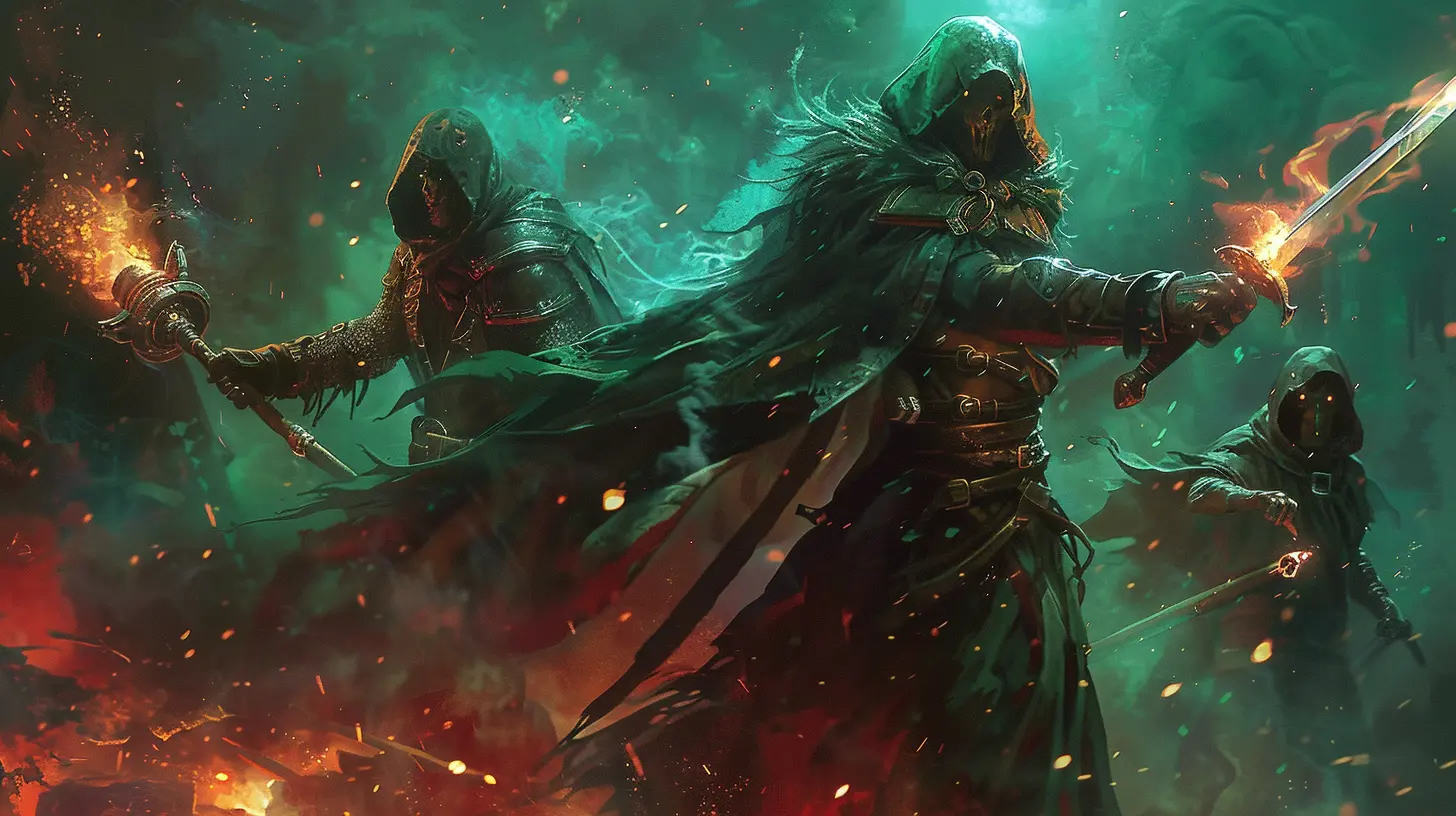
And When Should You Defend?
Alright, so you’re not feeling the rush—or maybe you're playing against a rush-heavy enemy. Here’s when to put your shields up and wait for your moment.1. When the Enemy Outclasses You Early Game
If your faction or hero sucks in the first few minutes, why pick a fight you’re destined to lose? Defend smartly, delay the enemy, and wait until you hit your stride.You’re not weak—you’re just biding your time.
2. You’re Being Rushed
Obvious, right? But you’d be surprised how many players panic instead of preparing. If you sense a rush coming your way (early scouting helps), start building defensive structures, group your units, and brace for impact.Hold off the early storm, and you’ll often walk away with a sweet advantage.
3. Your Late Game is Stronger Than Theirs
This is the classic "tech up and win" strategy. If you know your endgame units are superior, your job is to simply survive until then. Every second you last, you’re getting closer to flipping the table in your favor.It’s like playing chess and patiently trading pawns until your queen makes her move.
4. You Need Time to Regroup or Rebuild
Lost a big fight? Don’t immediately go back on the offensive. Set up defensive positions, rebuild your resources, and collect your thoughts. Defense is not quitting—it’s pausing the chaos to reset the board.5. You’ve Got Home Turf Advantage
In many games, your base or defensive zone gives you a big leg up—turrets, terrain, vision control, or quick respawns. If the enemy is pushing, meet them where you have the advantage.Let them come to your castle while you rain fire from the walls, metaphorically speaking.
Signs It's Time to Switch Gears
Let’s get real for a second—winning isn’t just about following a strategy, it’s about adapting. Knowing when to pivot from rushing to defending (or vice versa) is what makes a gamer truly great.Here are a few telltale signs it’s time to change your approach:
- You’re not making progress: If your rushes keep failing or your defenses are constantly being breached, it’s time to reevaluate.
- The momentum has shifted: Maybe you lost a key objective or your carry just got wiped. Defense mode: engaged.
- You're sitting on resources: Got a huge stash of in-game currency or supplies? That may be your cue to stop playing defense and start pushing back.
- You've scouted enemy composition: Knowing what your enemy is working with can instantly help you decide whether it’s time to strike or dig in.
Common Mistakes to Avoid
Okay, even pro players mess up. But let’s make sure you’re not falling into these classic traps:1. Rushing Without a Plan
It’s tempting to dive in guns blazing, but rushing without coordination or follow-up is basically feeding the enemy XP (or gold, or resources—you get the idea).2. Defending Too Passively
Defending doesn’t mean hiding the whole game. You still need to farm, scout, and look for counterattacks. Being too passive lets the enemy grow unchecked.3. Ignoring Scouting
Knowledge is power. If you're not using scouts or basic vision tools, you’re playing blind. Always keep tabs on what your opponent is doing.4. Tunnel Vision
Rushed once and survived? Awesome. But expecting the same type of attack again is dangerous. Players adapt—so should you.The Psychology of Pressure in Multiplayer
Here’s a little secret: multiplayer strategy isn’t just in the mouse clicks and button presses—it’s also in the mind games.A well-timed rush can rattle even experienced players, forcing bad decisions and misplays. A solid defense can demoralize an aggressive enemy who thought they’d win early.
Using pressure as a psychological tool is key. Sometimes the threat of a rush is as powerful as the rush itself. Mix things up, throw in a bluff or two, and always leave your opponent guessing.
Pro Tips from Seasoned Players
We asked around and collected some golden nuggets from competitive gamers:- “If you're ahead, stay ahead. Don't rush just because you're winning—build an unbeatable lead.”
- “Always keep building something. Units, structures, upgrades—if your resources are idle, you're wasting time.”
- “Don’t chase kills during a failed rush. Cut your losses and regroup.”
- “In team games, communication is the difference between a lucky win and a solid victory.”
Final Thoughts: It’s All About Balance
Games are dynamic. What works in one round might backfire in the next. The best players aren’t the ones who know just one method—they’re the ones who can read the room, adjust on the fly, and pick the right moment to strike or stand their ground.So, should you rush or defend? The answer is simple: it depends. But now, you’ve got the tools to make that call wisely.
Next time you're in a heated match, remember—you’re not just playing a game. You're playing your opponent, reading the battlefield, and crafting your story in real-time.
So go make the right moves, Commander.
all images in this post were generated using AI tools
Category:
Gaming StrategiesAuthor:

Kaitlyn Pace
Discussion
rate this article
2 comments
Darius Roth
Great insights! Knowing when to push forward or hold back can really change the outcome of a match. It's all about strategy.
August 27, 2026 at 4:41 PM
Kaitlyn Pace
Thanks for your thoughts! Strategy really is key in those moments. Glad you found the insights helpful!
Adrian Roth
Rushing can be thrilling, but sometimes a solid defense wins the day... balance is key!
June 21, 2026 at 3:38 PM
Kaitlyn Pace
Absolutely! Finding that balance can turn the tide in matches. It's all about knowing when to push and when to hold back.