What Makes a Game Perfect for Livestreaming
14 February 2026
Livestreaming has taken the gaming world by storm. From casual Let’s Plays to high-octane esports tournaments, more and more players are hitting that “Go Live” button and inviting the world to watch. But here’s the thing — not every game is livestreaming gold. Some titles might be thrilling to play but mind-numbing to watch. Others? They’ve got that magnetic pull that keeps viewers glued to the screen and chatting nonstop. So, what exactly makes a game perfect for livestreaming?
Let’s dive into the magic formula behind those stream-worthy games. 🎮💬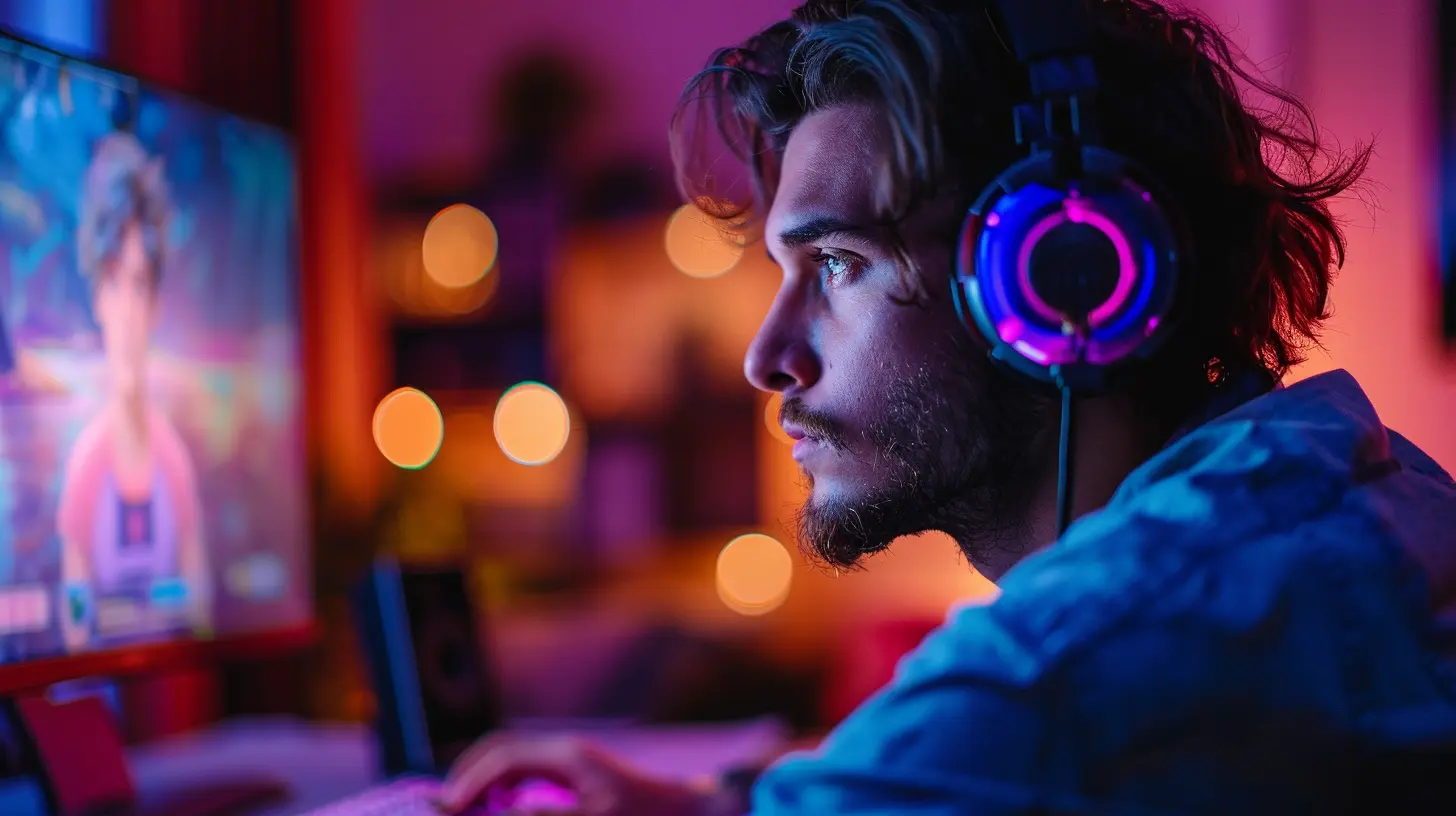
The Human Factor: It’s All About Engagement
Okay, let’s kick things off with the obvious — livestreaming is all about connection. It’s one part gameplay, one part personality, and one giant scoop of audience interaction. A great game for livestreaming doesn’t hog all the spotlight. Instead, it gives streamers room to breathe, chat, react, and joke around — because let’s be honest, a stream isn't just about watching someone play, it's about hanging out with them.So, when evaluating a game’s stream-worthiness, ask yourself:
- Does it allow for natural breaks or downtime where the streamer can read chat?
- Are there surprises or funny moments that trigger genuine reactions?
- Is there freedom to explore, fail, or goof off?
Knockout streaming games aren’t always the best games mechanically. Sometimes, they’re just the best to have fun with an audience.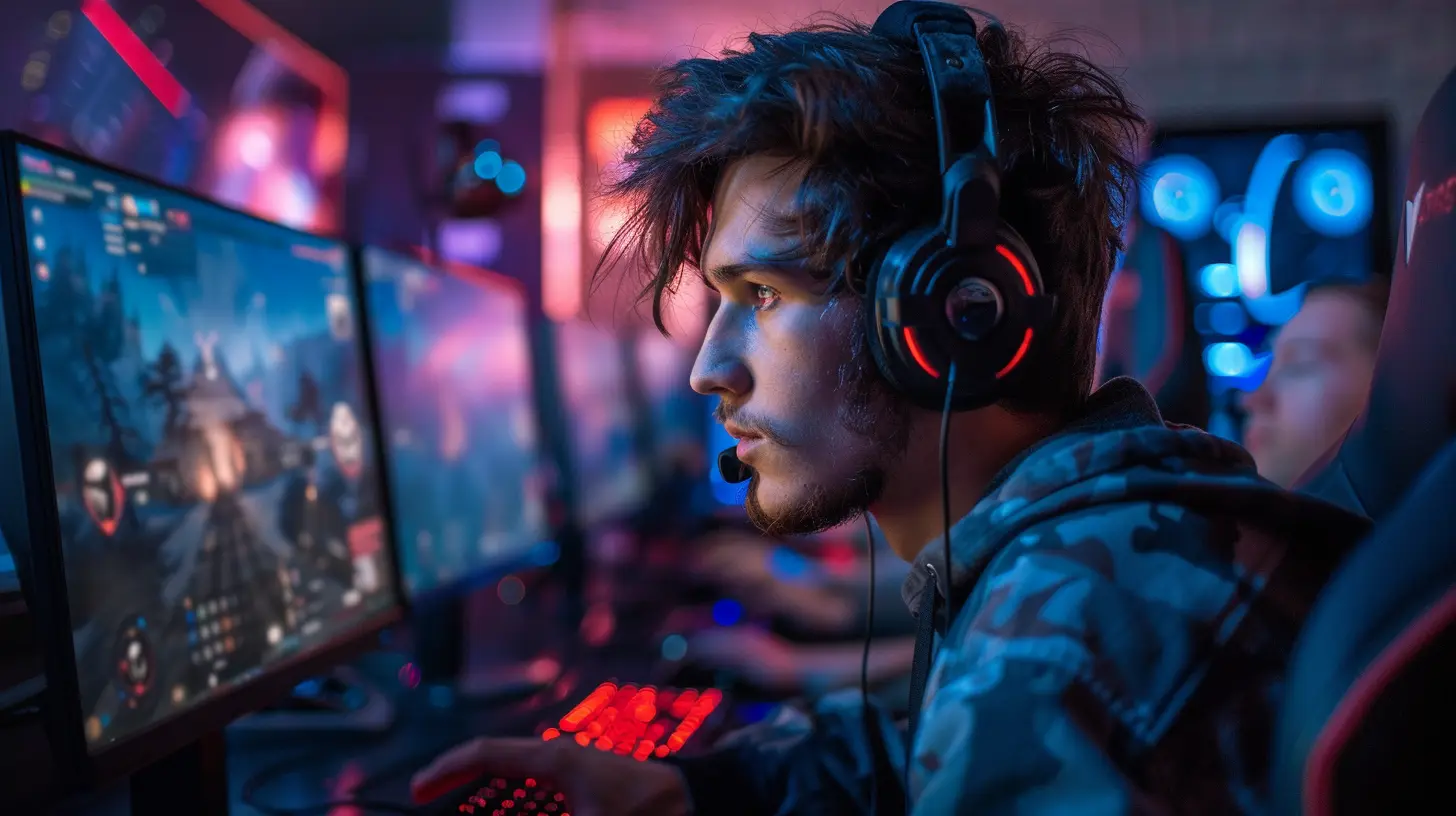
Replayability: The Gift That Keeps on Giving
One-and-done games can be fun to watch once… but after that? Meh. To keep viewers coming back (and the content fresh), a livestream-friendly game should have high replay value. Think roguelikes, battle royales, sandbox sims, or multiplayer games. These genres thrive on unpredictability.Each session offers something new — different outcomes, new tactics, weird bugs (yes, even glitches can be fun), and of course, unexpected fan-made content. Games like:
- Minecraft — infinite worlds, endless creativity
- Among Us — no two games are ever the same
- Dead by Daylight — cat-and-mouse at its finest
These aren’t just games you play, they’re experiences you live through, and those experiences are perfect for livestreaming.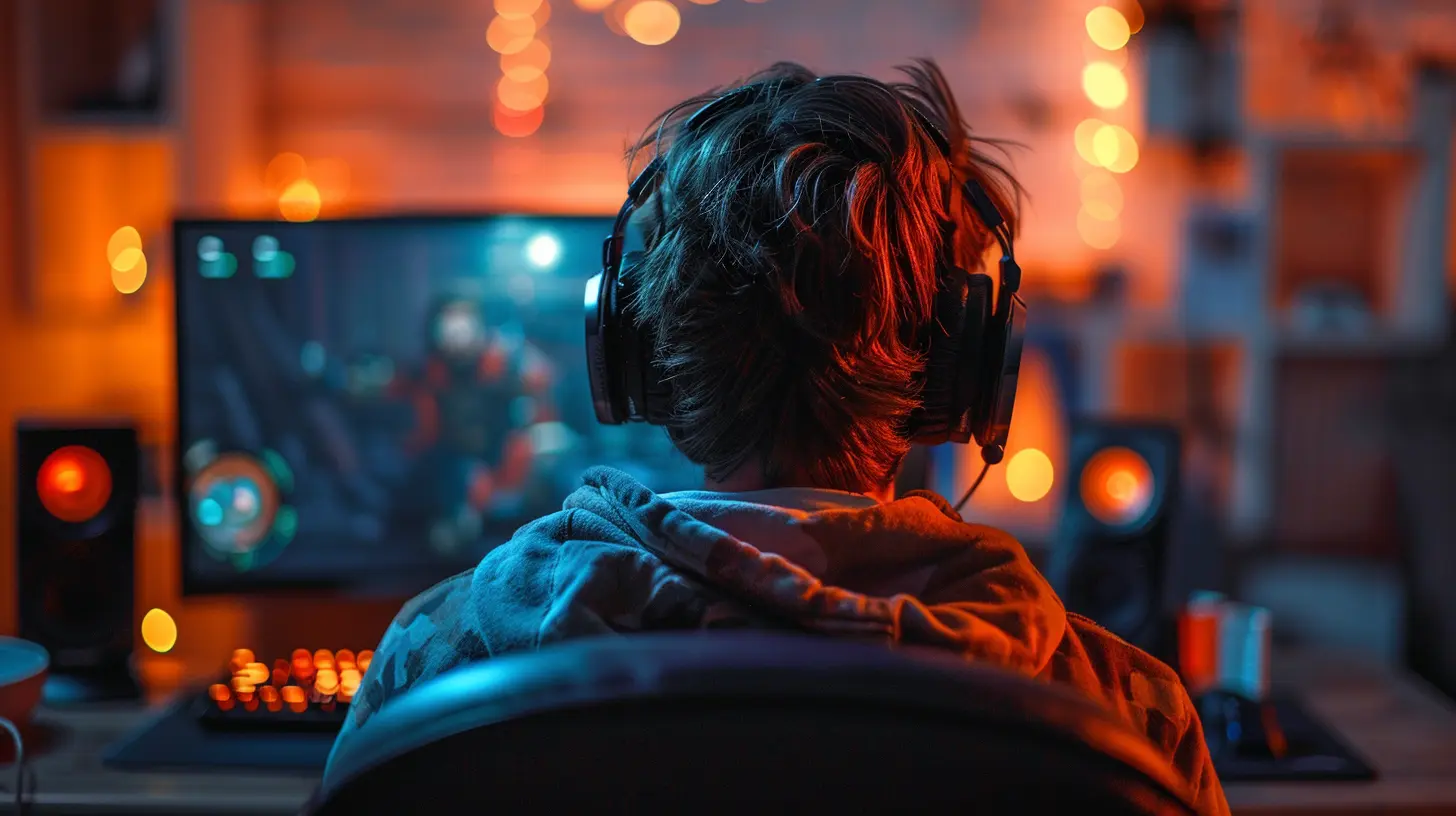
Easy to Follow, Hard to Master
You know what’s tough? Watching a livestream where you have absolutely no idea what’s going on. Some games might be cerebral masterpieces with deep mechanics — but if newcomers can’t immediately follow what’s happening, they might just bail.The best games for livestreaming are easy to pick up from a viewer’s standpoint. Within a minute or two, a new viewer should understand:
- What’s the player trying to accomplish?
- Who are the enemies?
- What’s the challenge here?
At the same time, there should be depth — something to master, strategies to develop, and clutch plays that make viewers yell “Let’s gooo!” from their screens.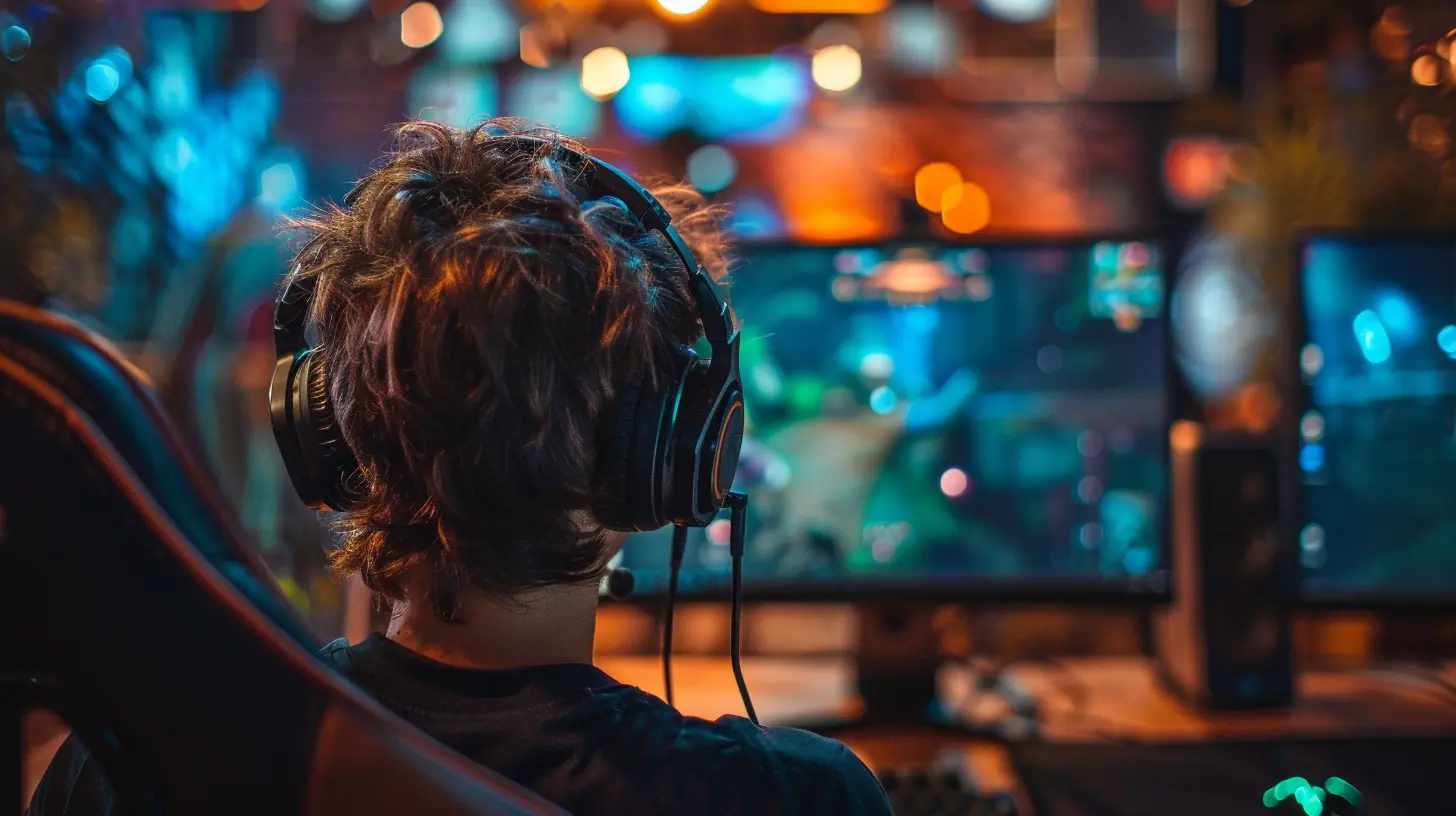
Interactivity: Chat Wants In on the Action
Let’s talk about chat. They’re not just spectators — they want to participate. Top streaming games often have built-in or community-supported features that allow viewers to get involved in real time.Games that embrace this idea are in a league of their own. For example:
- Twitch Plays Pokémon — the epitome of chaos and collaboration
- Jackbox Party Packs — chat becomes the game
- Marbles on Stream — viewers become racers
When a game can blur the line between streamer and viewer, it becomes more than just entertainment — it becomes a shared adventure.
Streamer Personality Amplifier
A game should act like a stage that highlights the streamer’s personality. Whether they’re funny, strategic, laid back, or wildly chaotic, the best livestreaming games act as a megaphone, not a muzzle.Some games bring out rage and rants (hello Getting Over It), others encourage goofy voices or roleplay (GTA RP, we’re looking at you). Look for games that open doors for storytelling or commentary. The less the game holds their hand, the more room the streamer has to shine.
People don’t just watch streams for the game — they watch for the person playing it. The game should help them be more… them.
Visual Appeal: First Impressions Matter
Let’s face it — flashy visuals catch the eye. Thumbnails and preview clips in an endless sea of streams rely on one thing: instant visual impact.Games with bold colors, cool effects, or unique art styles tend to stand out more. But it’s not just about looking pretty. The visuals should also communicate what’s going on clearly. A cluttered UI or bland color palette? That’s a fast track to viewer snoozefest.
Some visual standouts that ace livestream potential:
- Cuphead — retro charm and stunning animation
- Valorant — sleek, modern, and lots of juicy headshots
- Fall Guys — total chaos wrapped in cute jelly beans
If your game can both look good and be easy to watch (even in low-res), it’s a winner.
Steady Flow of Action (with Breathers)
Pacing is everything. Games that maintain a good rhythm — not too frantic, not too slow — are perfect livestream materials. No one wants to watch endless loading screens or 10 minutes of inventory sorting. But a game that’s too fast? The streamer can’t talk without missing crucial gameplay moments.The sweet spot is a game that gives just enough action to stay exciting, with moments of downtime to chat and connect. Think:
- Battle royales with loot phases followed by intense shootouts
- Story-driven games with explore-fight-explore pacing
- Turn-based games that pause for commentary
Viewers stay engaged, and streamers stay in control. Win-win.
A Thriving Community
Let’s not forget the power of the community. A great streaming game has a large, passionate fan base. Not just players — creators, modders, meme-makers, and lore nerds who know every easter egg.A strong community keeps content flowing long after a game’s initial release. It brings:
- Fan theories your chat can debate
- Mods that add laughs or spice things up
- Tips and tricks from viewers who know the game inside-out
Games like Skyrim, Minecraft, and League of Legends have survived and thrived for years thanks largely to their communities. Streaming these games almost feels like joining a club — and everyone’s got something to say.
The Possibility of Unexpected Moments
Let’s be real — some of the best clips on Twitch and YouTube aren’t carefully planned. They’re accidents, fails, or outrageous stunts. The kinds of things that make you say, “Did that really just happen?”Games that generate these moments naturally — through physics-based mechanics, unpredictable AI, or just plain chaos — are streaming goldmines. Think:
- A rocket launch gone wrong in Kerbal Space Program
- Backstabbing a friend in Among Us
- That perfect headshot in CS:GO
If a game can surprise both the streamer and the audience, it keeps everyone coming back just to see what’s next.
Accessibility Matters Big Time
This one’s often overlooked. But if a game is easy to start streaming, if it runs well on average setups, and doesn’t require a beast of a PC — well, that opens the floodgates for new streamers. More creators equals more content, more views, and more momentum.Games with simple UIs, controller support, or low system requirements tend to catch fire quicker in the streaming world. Bonus points if there’s a built-in streamer mode or overlays to help engage the audience.
Multiplayer Magic = Built-In Drama
Teamwork, trash talk, betrayal, clutch wins — multiplayer games are reality TV for gamers. Watching friends crash and burn or pull off epic comebacks? That’s the kind of stuff that makes livestreaming addictive.Whether it's co-op chaos or sweaty PvP, dynamic multiplayer gameplay sets the stage for unforgettable moments. Add voice chat into the mix, and it becomes pure entertainment.
Popular picks include:
- Overwatch — team synergy and hero swaps galore
- Call of Duty: Warzone — high-stakes battle royale action
- Phasmophobia — scream-worthy ghost hunts with friends
When humans play together, unpredictability follows — and that’s gold for content.
Consistency with Updates and Events
Let’s not forget longevity. Games that get regular updates keep things fresh for both players and viewers. New content means new stuff to explore, new challenges, and fresh hype.Live-service games excel here. Think about:
- Limited-time events
- Seasonal cosmetics
- Patch changes that shake up the meta
Streamers love jumping into new releases, and so do their viewers. Keeping things fresh is key to keeping streams exciting.
Final Thoughts: There’s No One-Size-Fits-All
Here’s the kicker — different streamers thrive in different games. What works for one might totally flop for another. Some players shine in competitive shooters. Others carve out a niche in cozy games like Stardew Valley. Some are variety streamers, bouncing between titles to keep it spicy.But if we’re talking about the ingredients of a livestreaming masterpiece, it really comes down to this:
- It's fun to play and fun to watch.
- It supports the streamer’s personality and lets them interact.
- It constantly offers new, unexpected, meme-worthy moments.
Find a game that does that, and you've got yourself a livestreaming powerhouse.
all images in this post were generated using AI tools
Category:
Livestreaming GamesAuthor:

Kaitlyn Pace
Discussion
rate this article
2 comments
Finnian McCaw
Engaging gameplay and interactive elements are essential for successful livestreaming.
February 16, 2026 at 5:47 AM
Kaitlyn Pace
Absolutely! Engaging gameplay and interactive elements keep viewers involved and coming back for more, making them vital for successful livestreaming.
Myles Ross
Engaging gameplay and a vibrant community make any game perfect for livestreaming!
February 15, 2026 at 4:23 PM
Kaitlyn Pace
Absolutely! Engaging gameplay and a vibrant community are key elements that enhance the livestreaming experience, making it more enjoyable for both streamers and viewers.