What Developers Want from the Next Generation Consoles
23 August 2026
When a new console generation is on the horizon, gamers get hyped—understandably. New games, better graphics, and shiny hardware are all part of the excitement. But behind all that magic? Game developers. These are the folks who bring virtual worlds to life, and make your jaw drop with stunning visuals and immersive experiences.
But here's the thing—developers don’t just wake up one day with next-gen magic in their fingertips. They need the right tools, features, and support from console manufacturers to make it all happen. So, what exactly are developers hoping for from the next generation of consoles?
Let’s dig into what the men and women behind the code, art, and sound really want when the next PlayStation, Xbox, or even Nintendo system hits the shelves.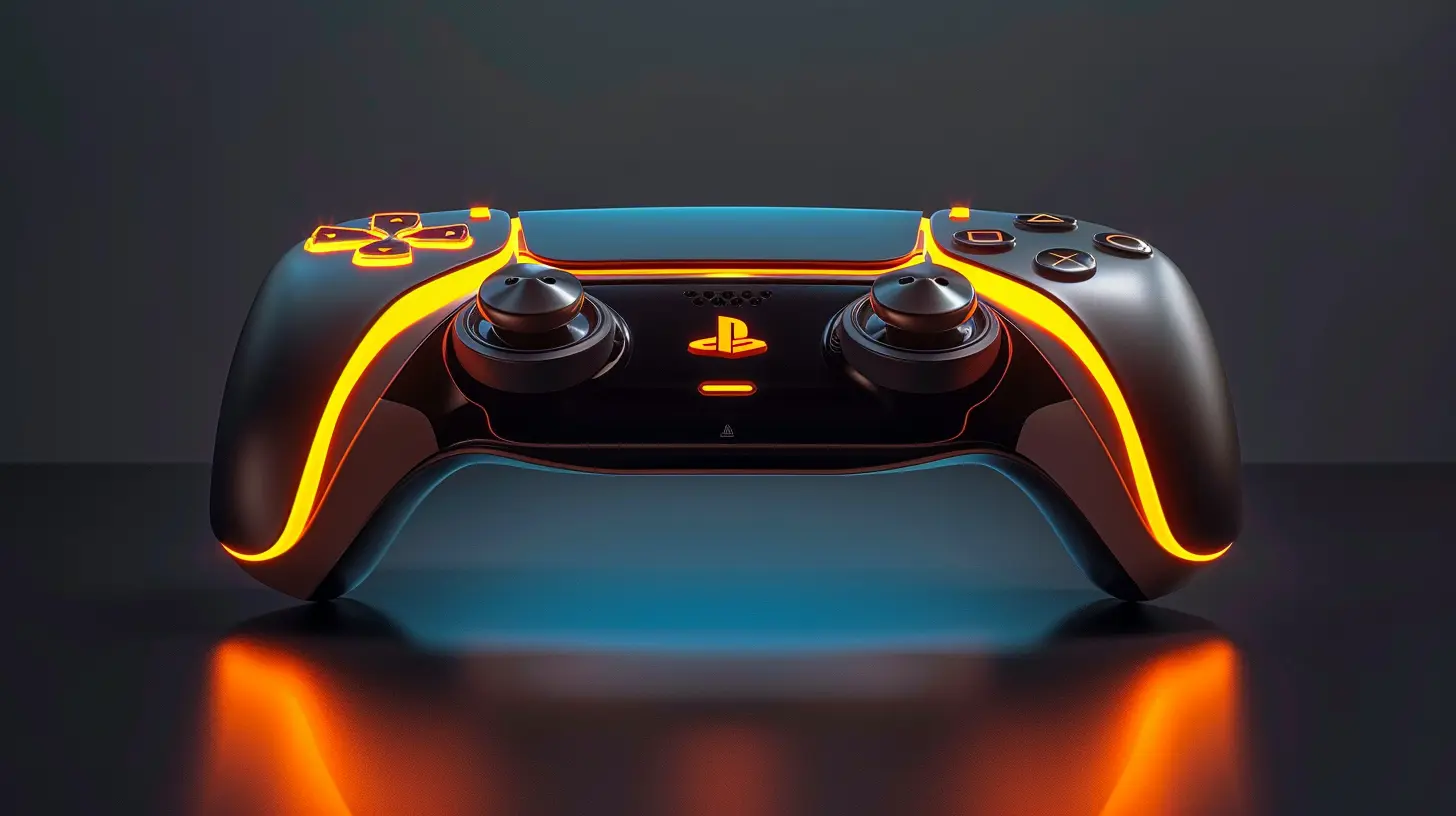
1. More Powerful Hardware (But With a Twist)
Yeah, this one might sound obvious—faster CPUs, better GPUs, more RAM. But it’s not just about raw power. Developers want balanced upgrades. What's the use of a blazing-fast GPU if the CPU bottlenecks everything? Or if loading times are still dragging down gameplay?Developers crave hardware that works smoothly together, like a well-tuned orchestra. More performance across the board means they can:
- Develop bigger, more complex game worlds.
- Add more characters, AI logic, and dynamic environments.
- Deliver ultra-smooth frame rates with stunning visuals.
But it’s not just about faster—it’s about smarter. Power used efficiently means a lot, especially when thermal limits and power budgets come into play. Developers don’t want to spend half their time solving overheating issues.
Bonus Wish: Future-Proofing
Tech moves fast. Developers want consoles that are still relevant five or six years down the line. They’re asking for headroom—enough performance to grow into so they’re not constrained by hardware halfway into the generation.
2. Better Development Tools and Support
You know what’s worse than a buggy console dev kit? Nothing. For developers, the tools matter just as much as the final retail box. Easy-to-use development environments, bug-free SDKs, and solid documentation can make or break a project.Game makers want consoles that come with:
- Intuitive development kits: So even small studios can get started quickly.
- Fast iteration times: Nobody wants to wait 15 minutes for a build to test a single change.
- Cross-platform support: More and more games are launching on multiple systems. Unified tools help simplify the madness.
Real Talk: Help the Indies, Too
It’s not just the AAA studios that need love. Indie developers are creating some of the most innovative games out there. They’re hoping that next-gen consoles don’t lock them out behind mountains of red tape or expensive dev kits.
3. Improved Storage and Data Streaming
Remember the days when you grabbed a snack during loading screens? Yeah, those should be over now. Developers are dreaming of storage solutions that are blazing fast—we’re talking supercharged SSDs with high bandwidth and minimal latency.Why does that matter? Well, here’s the scoop:
- Faster streaming means open worlds without pop-ins.
- Players can move through massive environments without hitting invisible walls.
- Complex assets can load on the fly, keeping gameplay fluid and immersive.
Basically, better storage equals better games. It gives developers more freedom to create uninterrupted, cinematic-level experiences.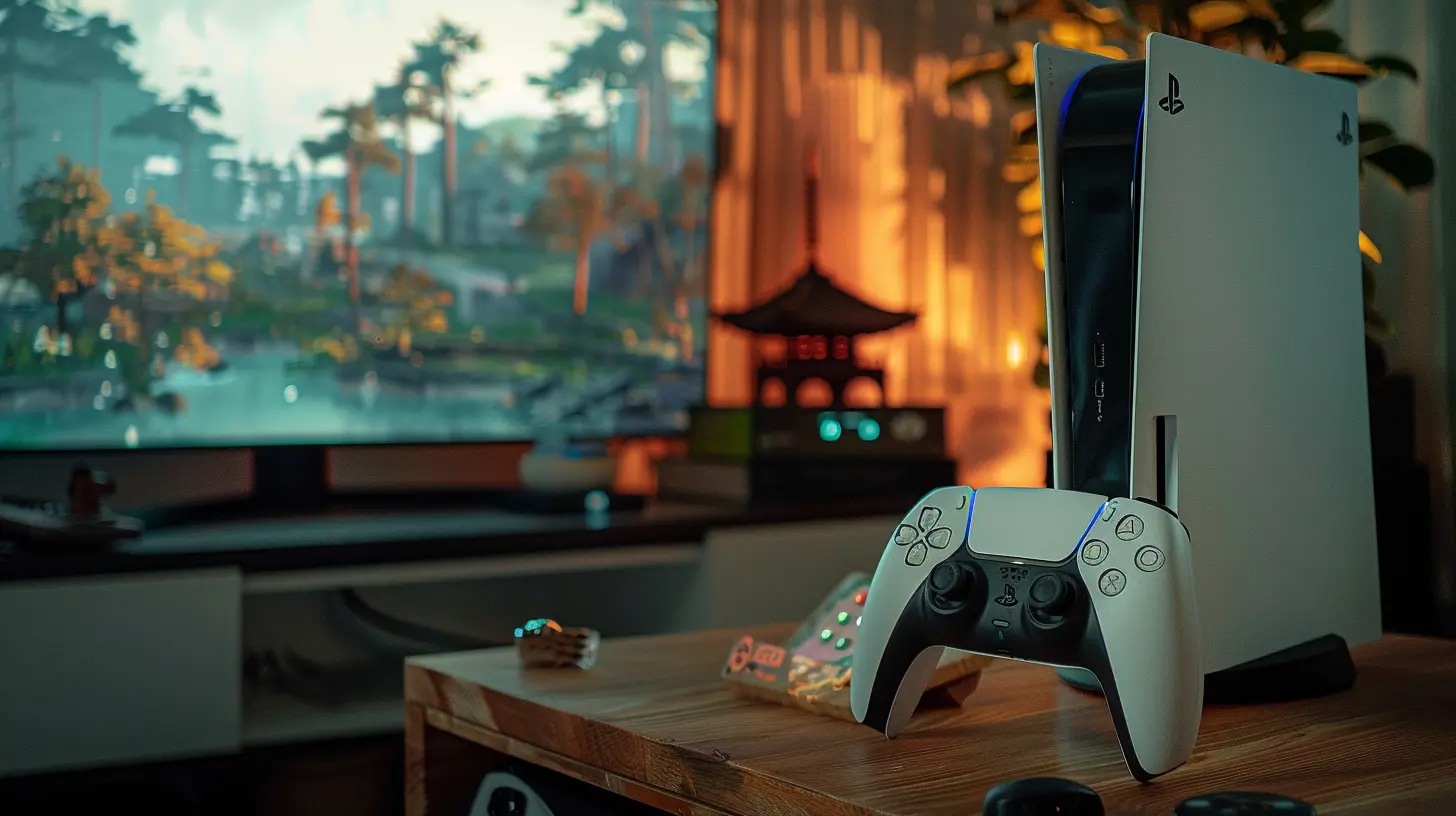
4. Smarter AI and Machine Learning Integration
AI isn't just about what the enemies in your game do—it’s becoming a powerful tool for developers behind the scenes, too. The next-gen consoles could really bank on hardware-accelerated machine learning to help with:- Smarter NPCs and enemy behavior.
- Procedural content that feels hand-crafted.
- Real-time upscaling or animation tweaks.
If consoles start supporting AI-focused tools with dedicated silicon (like an AI core), it opens up fresh possibilities. Developers could offload demanding tasks to the hardware and let their creativity run wild.
Imagine enemies that learn your strategies and adapt. Creepily cool, right?
5. Cross-Platform Harmony
Okay, this one is big. Game developers are tired. Tired of porting the same game to five different platforms and dealing with wildly different hardware specs, APIs, and quirks on each one.What they want is unity. That could mean:
- Shared development libraries.
- Functional compatibility across consoles and even PC.
- Easier ways to sync progress, cloud saves, and multiplayer systems.
Let’s face it—cross-play isn’t a hopeful dream anymore. It’s an expectation. And it only works if console makers work together (yes, even you, Nintendo).
6. Greater Focus on Accessibility
Accessibility isn’t just a checkbox anymore. It’s a priority. And for developers, next-gen consoles should give them the tools to build inclusivity into the game from the ground up.They want better frameworks to support:
- Remappable controls out-of-the-box.
- Built-in screen reading tools for visually impaired players.
- Support for larger fonts, colorblind modes, and easier navigation.
If the console’s OS and development tools make accessibility easier to implement, the end result is more players enjoying the games we all love.
And that’s good for everyone.
7. Eco-Friendly Game Development
Let’s not ignore the growing awareness about climate change and sustainability. Developers are increasingly thinking about the environmental impact of game development and the consoles themselves.What they want from manufacturers:
- Energy-efficient hardware components.
- Better sleep and standby modes.
- Eco-friendly packaging for dev kits and physical games.
- Carbon offset initiatives or green production standards.
It’s not just about saving power; it’s about setting an example. Developers are hoping next-gen systems are not just smart—but also kind to the planet.
8. Modular and Upgradeable Hardware
Here’s one that might sound far-fetched, but isn’t: modular consoles.Developers (and some gamers too) would love the idea of being able to upgrade certain parts of a console over time—similar to how a PC works.
This doesn’t mean slapping in a new GPU yourself, but maybe:
- Swapping out storage more easily.
- Choosing enhanced models with better specs for bigger games.
- Optional expansions for VR or ray tracing.
This kind of flexibility could help developers target performance tiers more efficiently and reduce hardware obsolescence.
9. Built-In Support for Emerging Tech
We’re talking virtual reality, augmented reality, ray tracing, 3D audio, and haptics. Many of these are already here—but developers want standardized, out-of-the-box support for these features in next-gen consoles.Why? Because when it’s part of the core console experience, developers can build around it more confidently. No more worrying about fragmentation or whether enough players have compatible accessories.
Standardized support also means better performance, less fiddling with drivers, and a smoother experience for everyone.
10. Stability, Stability, Stability
Last but not least—developers want machines that don’t crash.Sounds simple, right? But stability is everything. A buggy console means endless hours wasted on troubleshooting, and that adds up fast in a development cycle already packed with pressure and deadlines.
From firmware updates to OS performance, next-gen consoles should be as reliable as possible from day one. That gives developers more time to make great games, not battle error codes.
So, What’s the Takeaway?
Game developers are artists, engineers, and storytellers rolled into one. And when a new console generation rolls around, their wishlist is more than just “make it faster.” They’re asking for tools and technology that truly empower them to create better experiences—for us, the players.Yes, graphics matter. Yes, frame rates matter. But what really matters to the people making the games is how easy and rewarding it is to bring their vision to life.
Because when developers have what they need, players end up with unforgettable adventures.
So here’s hoping the next consoles aren’t just more powerful—but more supportive, more thoughtful, and more in sync with the people who build the magic.
all images in this post were generated using AI tools
Category:
Game ConsolesAuthor:

Kaitlyn Pace
Discussion
rate this article
1 comments
Jade Evans
It's exciting to see developers' visions for the next-gen consoles. Their creativity drives gaming forward, and I can't wait for what's next.
August 31, 2026 at 4:19 AM