The Psychology Behind Successful Game Streaming
20 March 2026
Gaming streams have exploded in popularity over the years, and if you’ve ever watched a streamer and thought, “Man, how do they pull this off so well?” — you’re not alone. It’s not just about playing games. Successful game streaming is a performance, an art, and most importantly, a psychological game.
Let’s peel back the layers and dive deep into the psychology behind successful game streaming. Whether you're a viewer who's curious or a budding streamer chasing your big break, there’s a lot more going on behind that camera than meets the eye.
The Rise of Game Streaming: More Than Just Gameplay
Game streaming isn’t a new concept, but platforms like Twitch, YouTube Gaming, and Facebook Gaming have made it wildly accessible. It’s no longer just a hobby — it’s a full-blown career for many.But here's the kicker: playing games well isn’t enough. Viewers aren’t just logging on to watch someone slay dragons or build a pixelated mansion. They’re tuning in for connection, entertainment, community, and even comfort.
So, what really separates the streaming legends from everyone else? It comes down to psychology — how the brain perceives, reacts, and connects.
1. Parasocial Relationships: The Streamer Connection
Ever feel like you “know” your favorite streamer, even though you’ve never met them? That’s called a parasocial relationship. These are one-sided emotional connections viewers form with personalities on-screen.Why Does This Matter?
Because it’s the heartbeat of successful streaming.When a streamer consistently engages their audience, shares personal stories, or just reacts in real-time, viewers develop a sense of friendship. It's like hanging out with a buddy — a buddy who never misses your messages in chat (hopefully).
🧠 Psychologically speaking, this is powerful. These relationships fulfill social needs, especially for viewers who feel isolated or just want to be part of something.
2. The Role of Personality: Be Real or Go Home
Let’s face it — nobody wants to watch someone emotionally flatline for hours. Personality is everything. But here’s the twist: successful streamers don’t just perform; they empathize.They react genuinely, celebrate small wins, laugh at silly moments, and sometimes get real about life. This authenticity kicks off emotional resonance with the audience.
Think About It…
Would you rather watch a robot playing Fortnite or someone who invites you into their world — quirks and all?Good streamers understand emotional intelligence. They read their chat, sense the vibe, and adjust their energy accordingly. They create a space where viewers feel seen, heard, and valued. 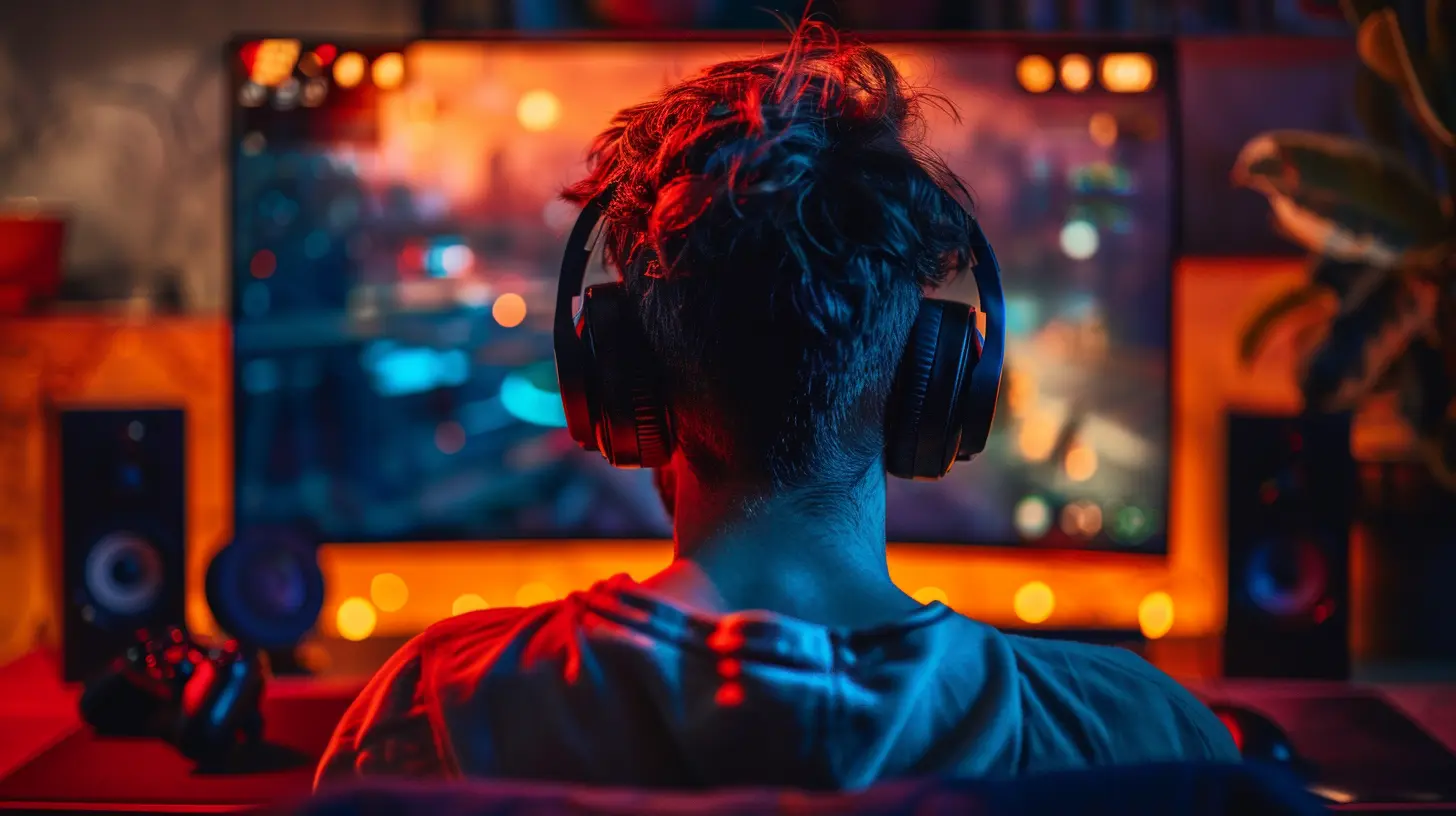
3. Community Building: Creating a Digital Tribe
Community isn't just a byproduct of streaming — it’s the core. The strongest streamers don’t just build audiences; they build tribes.Here's How It Works Psychologically:
Humans are hardwired for connection. We love feeling part of a group, especially one that shares common interests (hello, Minecraft stans and Valorant squads!).Streamers use this to their advantage by:
- Giving their community a name (e.g., “The Wolf Pack”)
- Encouraging in-jokes and memes
- Hosting sub-only chats or watch parties
- Celebrating milestones like birthdays or subscriber anniversaries
The result? Viewers feel belonging — and that’s a powerful psychological motivator to keep coming back.
4. The Dopamine Factor: Keeping Viewers Hooked
Games alone are dopamine machines, but when you pair that with live interaction — boom, it’s next-level addicting.How Streamers Hack the Brain:
- Instant Gratification: Reacting live to messages, shout-outs, and donations gives viewers immediate feedback.- Unpredictability: Will the streamer win this round? Will they rage quit? That uncertainty keeps brains on edge — and tuned in.
- Reward Systems: Giveaways, subscriber milestones, or loyalty badges tap into our desire for reward and recognition.
It’s Pavlovian, really. Bells ring (or alerts pop) and viewers get a hit of feel-good chemicals. They’re not just watching; they’re participating in their own digital reward loop.
5. The Power of Consistency and Ritual
If you stream it, they will come — but only if you’re consistent.Streaming success is tied closely to psychological principles of habit-forming. It’s like your favorite Netflix show dropping every Friday night — viewers begin to expect it.
Here’s What That Looks Like in Practice:
- Sticking to a schedule (e.g., “I go live every day at 8PM EST”)- Starting streams with familiar rituals (e.g., dance intros, catchphrases, or memes)
- Ending each stream with cliffhangers or teasers
These rituals create a sense of reliability and rhythm. Brain loves that. It’s like comfort food for the soul — but digital.
6. Emotional Regulation: The Calm in the Chaos
Streaming isn’t all fun and games (pun intended). Staying calm under pressure, dealing with trolls, and managing live technical issues? That takes serious emotional control.Why This Matters for Viewers:
Nobody wants to be around a ticking time bomb. Streamers who manage their emotions well make viewers feel safe, relaxed, and entertained — even during chaotic moments.This builds trust, and with that trust comes loyalty.
7. Storytelling and Narrative Flow
Every great stream tells a story. Whether it's a hilarious speedrun gone wrong or a deep dive into a storyline game, narratives engage the human brain in ways raw gameplay can’t.Streamers Are Unofficial Storytellers
They turn pixels into emotion.By guiding viewers through highs and lows, sharing personal experiences, or crafting an in-stream universe, they build deeper engagement. A good streamer doesn’t just play the game — they live the story, and bring you along for the ride.
8. The Influence of Body Language and Facial Expressions
Even subtle things like how a streamer moves, reacts, or makes eye contact with the camera can make a huge difference.Non-verbal cues help build connection and trust — even in a virtual world.
Psychologically, our brains are trained to read faces for emotion. A raised eyebrow, a smirk, or a surprised gasp tells us volumes — and helps viewers bond with the streamer on a human level.
9. FOMO and Live Engagement
Ever hear of FOMO (Fear Of Missing Out)? It’s a psychological lever that streamers use — intentionally or not.When viewers know that what's happening won’t be the same tomorrow — or might not happen again — they’re more likely to tune in. This urgency, combined with live hype, drives real-time engagement.
- Limited-time events
- Exclusive live-only giveaways
- Pop-up collabs with other streamers
It’s like catching a live concert — you just don’t want to miss it.
10. The Streamer’s Mindset: Grit, Growth, and Vulnerability
Last but not least — let’s talk mindset.Behind every successful streamer is someone who’s battled confidence dips, burnout, imposter syndrome, and trolls. But here's the magic sauce: they kept going.
The Growth Mentality:
Good streamers understand that failure is part of the process. They adapt, evolve, and learn on the fly — often in front of an audience. This authenticity resonates deeply with viewers.And when streamers openly talk about their struggles or laugh at themselves? That vulnerability makes them even more relatable and lovable.
Final Thoughts: Streaming Is a Psychological Playground
So there you have it. Successful game streaming isn’t just setting up OBS and hitting “Go Live.” It’s a rollercoaster of psychological principles — from emotional intelligence and social bonding, to habit-forming and reward loops.And let’s be honest: the best streamers? They’re not just entertainers. They’re digital therapists, hype men, community leaders, and human magnets all wrapped into one.
So next time you’re watching your favorite streamer, take a second to appreciate the real psychology behind the curtain — because there’s a lot more than gameplay making the magic happen.
all images in this post were generated using AI tools
Category:
Livestreaming GamesAuthor:

Kaitlyn Pace
Discussion
rate this article
2 comments
Carly McInerney
Who knew streaming was less about gaming skills and more about the perfect balance of charisma and absurdity? Just remember, if you can't play well, at least make 'em laugh while you fumble that grenade—it's all about entertainment! 🎮😂
March 28, 2026 at 4:44 PM
Kaitlyn Pace
Absolutely! Charisma and humor can turn any blunder into a memorable moment. It's the entertainment that keeps viewers coming back.
Giselle McLaughlin
Game streaming is a thrilling blend of skill and charisma—only the bold rise to the top!
March 28, 2026 at 6:54 AM
Kaitlyn Pace
Absolutely, it takes a unique mix of talent and personality to stand out in the competitive world of game streaming. Those who embrace both elements often find the greatest success.