The Legacy of the Vault Dwellers: Fallout’s Generational Storytelling
16 March 2026
When it comes to post-apocalyptic gaming, one franchise easily stands head and shoulders above the rest—Fallout. It's gritty. It's funny. It's weird in all the right ways. But beyond its irradiated ghouls and retro-futuristic laser rifles, Fallout’s real magic lies in its storytelling—specifically, how it weaves generational narratives through the eyes of Vault Dwellers.
Let’s dive deep into what makes the Vault Dweller more than just a character archetype, and how the Fallout universe uses these characters to tell human stories of survival, identity, and legacy over time.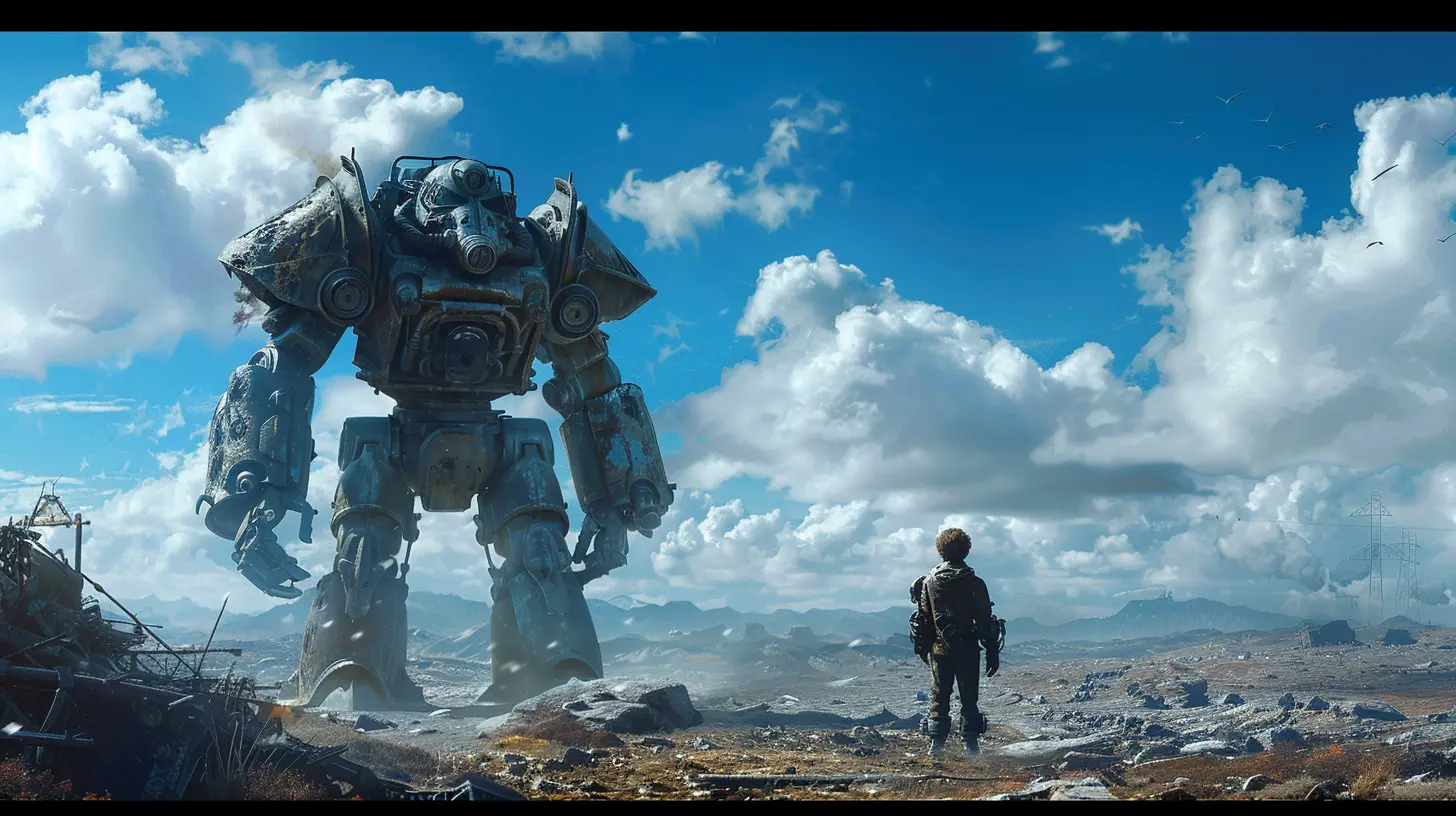
What Exactly Is a Vault Dweller?
First off, let’s get on the same page. A Vault Dweller isn’t just someone living in a big metal tube underground. In Fallout lore, Vault Dwellers are people—often unwillingly selected—living in massive underground bunkers built by Vault-Tec before nuclear war turned the world into an irradiated wasteland. Sounds like a safe haven, right?Well, not so much.
Most of these vaults weren’t designed for safety. Instead, they were social experiments—a twisted mix of science and cruelty, each designed to test how people would react to bizarre, often horrifying conditions. And it’s through these isolated, often tragic micro-societies that Fallout starts spinning its generational web.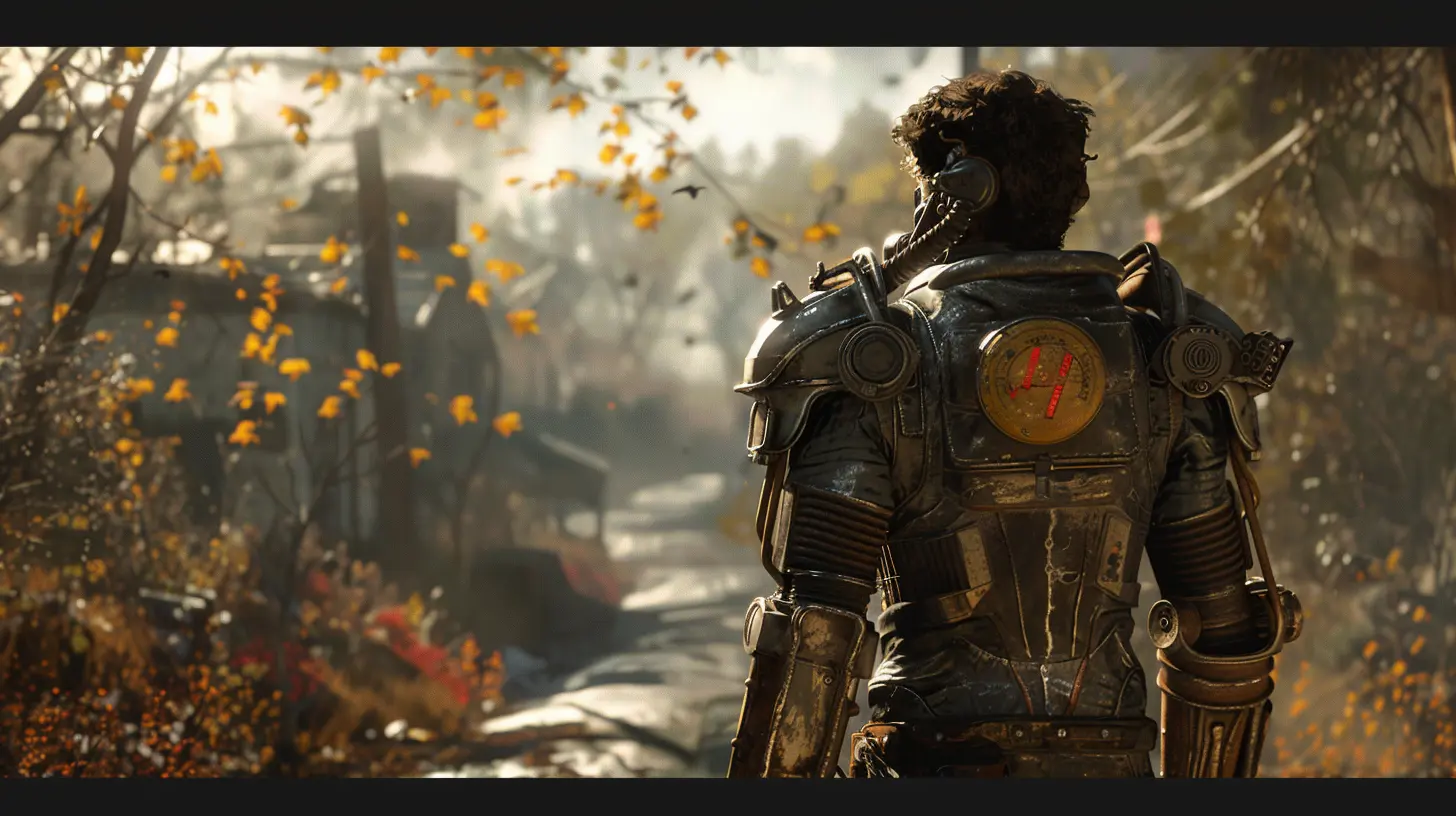
From Fallout 1 to Fallout 4: A Bloodline Begins
Fallout (1997): The Original Vault Dweller
Remember the first Fallout? The original Vault Dweller starts off in Vault 13, sent out to find a new water chip to save their people. It’s the classic hero’s journey—but with mutants, cannibals, and Deathclaws. This character sets the tone for all Fallout protagonists to follow: a reluctant hero stepping into a broken world to try and make it better (or worse, depending on your choices).What’s interesting here is how the game treats lineage. You’re not some action hero born to save the world. You’re somebody’s kid, forced to be brave because nobody else can be. And that theme sticks.
Fallout 2: The Chosen One
Fast forward 80 years and we get Fallout 2. This time, you’re The Chosen One—the grandchild of the original Vault Dweller. That’s right, Fallout instantly makes its universe feel alive by tying this game’s narrative to real family history.You wear the weight of your legacy as you wander the wasteland. Your village believes in you because of your ancestor's deeds. And if that’s not a clever way to raise the storytelling bar, I don’t know what is.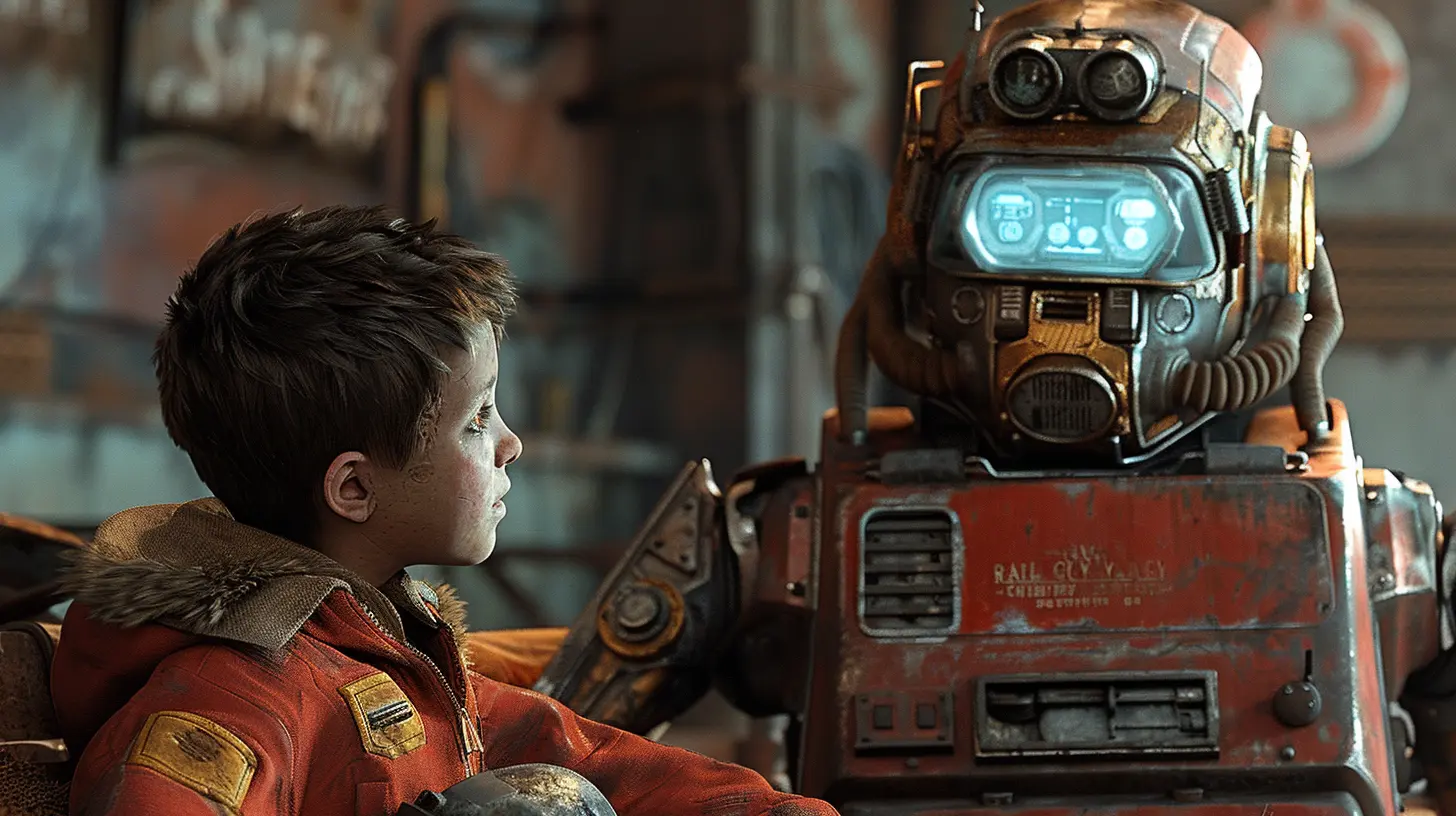
Vault Dwellers as Storytelling Vehicles
They’re Blank Slates With Emotional Baggage
Fallout doesn’t just tell stories—it makes you live them. When you play a Vault Dweller, you’re a little bit of everything: naive, hopeful, curious, maybe even jaded. You step into a chaotic world with nothing but a jumpsuit and a Pip-Boy and start making choices that ripple across generations.Because Vault Dwellers are often cut off from the larger world at first, they act as perfect proxies for the player. We discover the world as they do. We form beliefs, alliances, hatreds—just like they do. And eventually, we shape the Wasteland around us.
Generational Choices Have Real Consequences
Here’s where Fallout gets genius: your actions as one Vault Dweller often shape the world that future characters inherit.In Fallout 2, you see the consequences of what your grandparent did in Fallout 1. Towns you once saved are now thriving settlements; ones you ignored may have turned to dust. Generations matter. Fallout isn’t just telling you stories—it’s building a living, breathing history.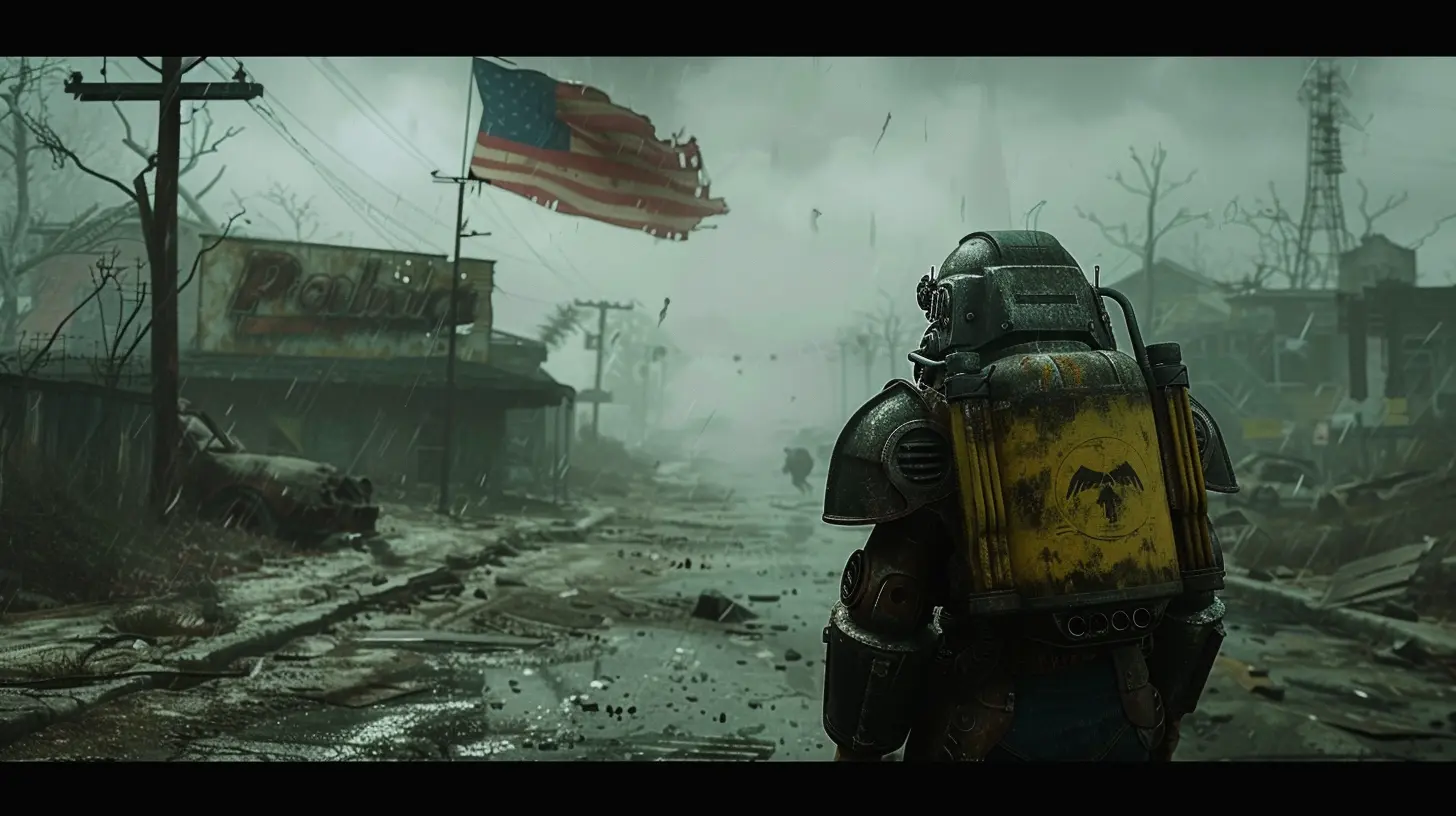
Fallout 3 and New Vegas: Reinventing the Vault Narrative
Fallout 3 (2008): You’re Born in the Vault
Fallout 3 takes a big swing by making you a literal Vault baby. The game starts with your birth, your first steps, and key moments in your childhood. It’s a powerful narrative technique. You don’t just come from a Vault—you lived in one your whole life. You’ve got history. You've got memories. And when you leave Vault 101, it's personal.What makes Fallout 3 so unique is that your father (voiced by the always-classy Liam Neeson) is central to the story. You’re chasing a legacy again—trying to understand the motivations of a parent who vanished for reasons you only discover later. This adds emotional weight and depth to an already rich world.
Fallout: New Vegas (2010): No Vault, No Problem
Okay, here’s a twist. New Vegas doesn’t feature a traditional Vault Dweller protagonist. Instead, you’re the Courier—a mysterious figure shot in the head and left for dead. Yet, Vaults still play a significant role in the narrative landscape.In New Vegas, you encounter Vaults as ruins of failed societal experiments. They’re cautionary tales—each a self-contained horror story. Vault 11? Dark stuff. Vault 22? Nightmare fuel. These vaults tell you everything you need to know about human nature gone unchecked.
Even if you’re not a Vault Dweller yourself, their legacy, their pain, and their outcomes are stitched right into the fabric of the Mojave.
Fallout 4 and the Myth of the Sole Survivor
Fallout 4 dials up the generational feel by adding a massive emotional hook: you’re a parent desperately searching for your kidnapped son. And the kicker? You’re from before the bombs fell. Literally.The game opens with a glimpse of life before the Great War. Then suddenly, nuclear hellfire rains from the sky, and you're frozen in cryogenic sleep. When you wake up, your spouse is dead, your baby is gone, and the world you knew has turned into a nightmare.
This whole twist makes you something truly rare in the Fallout universe—a relic of the old world. Your “Vault Dweller” status isn't just a narrative device; it’s a metaphor. You’re a ghost with a gun, haunting a reality you don’t recognize.
The generational angle here is heartbreaking. You’re fighting for your bloodline, but by the end, you’re forced to accept that time—and trauma—changes everything. Your son is no longer a victim. He’s an antagonist. And suddenly, you’re not sure who the hero really is.
Fallout 76: The First to Emerge
Fallout 76 marks a bold pivot. Set just 25 years after the bombs dropped, you play one of the first Vault Dwellers to re-enter the wasteland. These aren’t just survivors—they’re pioneers. They’re tasked with rebuilding civilization from scratch.And here’s where things get interesting: there’s no single protagonist. Fallout 76 is an online multiplayer experience, meaning every player is a Vault Dweller with their own generational stake in the new world.
While the game stumbled at launch, it built on the generational themes in a fresh way. You’re no longer following someone’s legacy—you’re laying down the foundation for one. Every floorboard you hammer, every settlement you build, becomes a brick in the wall of a future someone else will inherit.
The Vault as a Metaphor
Let’s get a little philosophical here. What is a Vault, really? On the surface, it’s a bomb shelter. But dig deeper, and it’s something bigger.Vaults are cocoons. They're prisons. They're test tubes. But most importantly, they’re mirrors. They show us the best and worst of ourselves. How we love. How we fight. How we betray. And when we leave, we carry those lessons into the world—just like every Vault Dweller does.
So when we talk about the legacy of the Vault Dwellers, we’re really talking about us—all of us. Our stories. Our struggles. Our need to survive, connect, and find meaning in chaos.
Why Generational Storytelling Hits So Hard in Fallout
Fallout doesn’t just tell stories—it passes them down like campfire tales. You’re not saving the world for the sake of heroism. You’re shaping it for the people who come next. The game constantly asks: What kind of ancestor are you going to be?Think about it. Fallout 2 exists because of what happened in Fallout 1. Fallout 3 echoes through Fallout 4. The Wasteland remembers—even when the people don’t.
And isn’t that what legacy is all about? Leaving behind something that outlives you. Whether it’s a vault, a settlement, or a single act of kindness, Fallout reminds us that our choices matter—and they echo long after we’re gone.
Final Thoughts
The Fallout series stands as a landmark in gaming not just because of its gunplay or world-building, but because of its soul. Through the lens of Vault Dwellers across generations, the games tell deeply human stories about identity, memory, community, and consequence.So next time you’re wandering the Wasteland in a dusty Vault suit, take a moment to look around. You’re not just playing a character—you’re continuing a legacy. One built on stories, generations deep.
And that, my fellow Dwellers, is what makes Fallout truly timeless.
all images in this post were generated using AI tools
Category:
Lore And StorylinesAuthor:

Kaitlyn Pace
Discussion
rate this article
2 comments
Ember Alexander
This article beautifully captures the essence of Fallout’s storytelling legacy. The depth of the Vault Dwellers’ journeys resonates powerfully, reminding us how interconnected our choices and histories shape not just our lives, but generations.
March 17, 2026 at 3:28 AM
Kaitlyn Pace
Thank you so much. That means a lot—I'm glad the generational weight of those choices came through.
Arlo Johnson
The Legacy of the Vault Dwellers" brilliantly explores how Fallout's generational storytelling enriches player experience, weaving personal and societal narratives. By intertwining individual choices with broader themes, it deepens emotional investment and highlights the franchise's unique lore.
March 16, 2026 at 3:28 AM
Kaitlyn Pace
Thank you for your insightful comment! I'm glad you appreciate how Fallout's generational storytelling enhances both personal and societal narratives, creating a rich and immersive player experience.