The History of Game Livestreaming and Where It’s Going
6 May 2026
If you’ve ever watched someone stream their gameplay on Twitch, YouTube, or Facebook Gaming, you’re witnessing a form of entertainment that’s come a long, wild way in a pretty short time. Game livestreaming has transformed from low-res hobby broadcasts to a global juggernaut that pulls in millions of viewers daily and generates billions in revenue.
But how did we get here? And seriously… where are we heading next?
Grab your favorite snack and settle in—because we’re diving deep into the story of game livestreaming: where it started, how it exploded, and what’s on the horizon.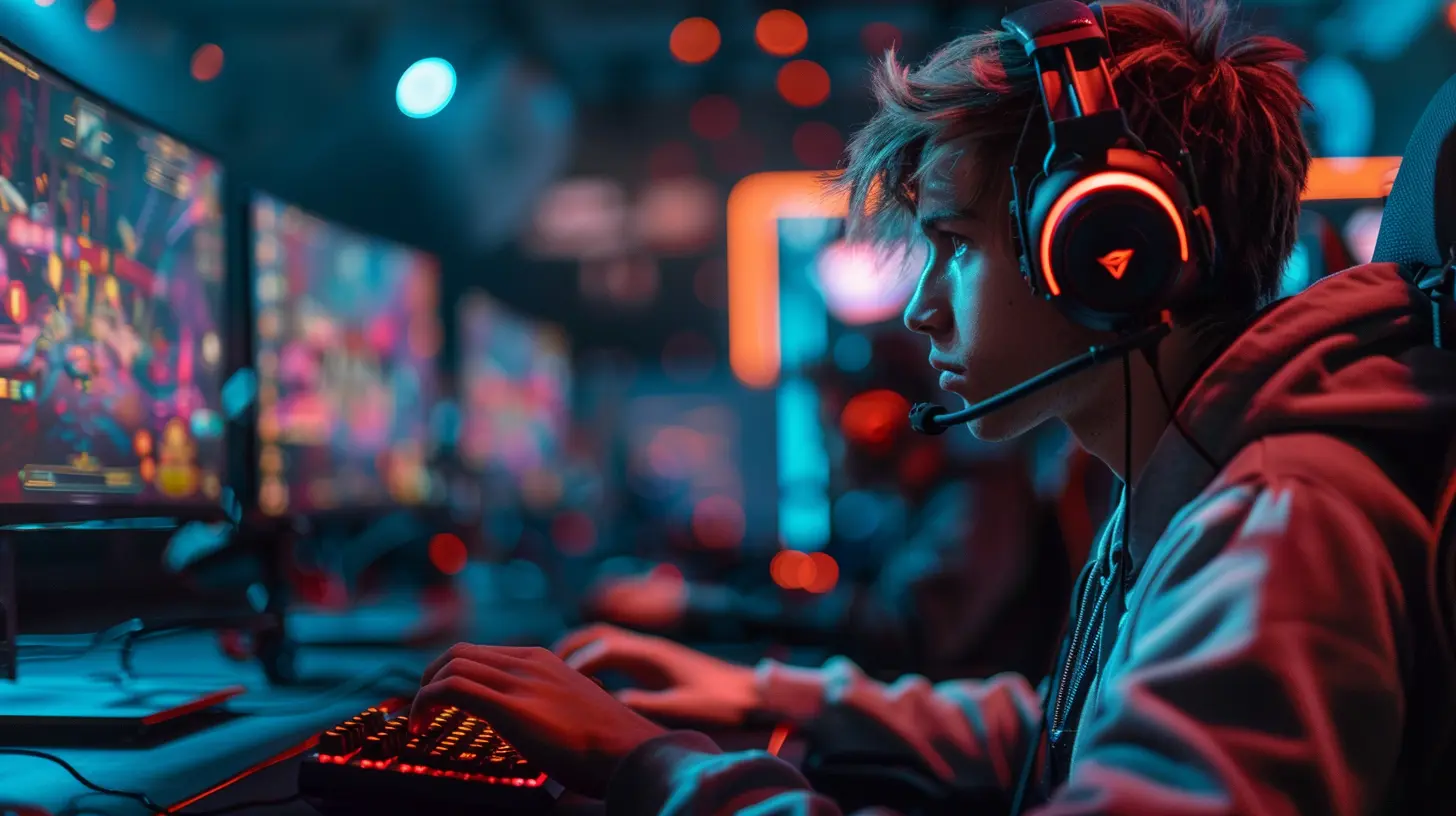
? Early Days: Before Livestreaming Was “A Thing”
Let's rewind the clock to the early 2000s. Back then, if you wanted to watch someone play a game, you had to be in the room with them. Livestreaming? Not even close. Heck, YouTube didn’t even exist until 2005.Still, the passion was there. Console players crowded around CRT TVs and PC gamers recorded gameplay using primitive software to upload edited clips to forums or early video platforms. This was the pre-streaming era—slow upload speeds, pixelated footage, and very little way to interact with your audience.
And then came a lightbulb moment…
? The Birth of Streaming: Justin.tv and Ustream
In 2007, a site called Justin.tv launched. Originally, it was just one guy (shockingly named Justin) livestreaming his life 24/7. But soon, users realized they could use the platform for all sorts of live content—including gaming.Gamers started firing up their streams to share gameplay with the world. It wasn’t polished, and it wasn’t always pretty—but it was live, raw, and real. Ustream was another early player that supported live content. These platforms were like the wild west—no rules, no big brands, just passionate gamers figuring it out.
?️ Twitch Changes The Game
In 2011, something big happened. Justin.tv spun off its gaming section and named it Twitch.Yeah, you’ve probably heard of it.
Twitch made a huge bet on gaming content—and it paid off. With better tools, a dedicated community, and features designed just for gamers (hello, chat!), Twitch became the central hub for livestreaming gameplay.
Suddenly, anyone with a halfway decent connection and a copy of OBS (Open Broadcaster Software) could be a host, a commentator, and a content creator.
It wasn’t just about gameplay anymore. It was about personality, community, and shared moments. Whether it was nailing a speedrun or struggling through Dark Souls, fans showed up for the streamer just as much as the game.
? The Rise of Streamer Celebrities
By the mid-2010s, game streaming had created its own breed of internet celebrity. PewDiePie, Ninja, Pokimane, Shroud—these names became household (or at least dorm-room) staples. They had millions of followers, sponsorships, merch deals, and yes—massive paychecks.Brands started noticing too. Suddenly, Red Bull, Doritos, and even luxury car companies were jumping into the stream-chat with ad placements and partnerships. What once was a niche hobby now had the attention of major industries.
Livestreaming wasn’t just a side gig anymore. For some, it became a full-time career.
? Streaming Beyond the Desktop: Enter Mobile and Console Integration
As technology got better and internet speeds increased, livestreaming left the desktop behind. Consoles like the PlayStation 4 and Xbox One added native streaming features. Hit a button, go live—it was that simple.Mobile platforms weren't far behind. With apps like Mobcrush and Streamlabs Mobile, gamers could stream Clash Royale or PUBG Mobile straight from their phones.
Even non-gaming platforms wanted in. Facebook added gaming features. Instagram and TikTok creators started streaming mini-games. Everyone wanted a slice of the livestreaming pie.
? Community and Culture: More Than Just Games
One of the coolest parts of game livestreaming is the culture that’s grown around it. Twitch emotes like Kappa have their own lore. Livestream chat can be chaotic but also heartwarming. Viewers donate money not just to support, but to be part of the show.Let’s not overlook charity streams either. Events like Games Done Quick or Extra Life have raised millions for good causes, proving that playing games and doing good can go hand in hand.
And livestreams are evolving. It’s not just about gameplay anymore. Some streamers host “Just Chatting” sessions, cook on stream, play music, or even do sleep streams (seriously—people get paid to snore now!).
? Innovation Overload: Features That Changed Streaming
We’ve seen some major tech upgrades along the way too:- Sub-only chats: Keeps the trolls out.
- Emote-only mode: Pure chaos—and fun.
- Overlays and widgets: Letting streamers personalize their look.
- Channel points: A way to reward loyal viewers.
- Live polls and Q&A: Real-time engagement explosions.
And don’t even get me started on virtual avatars and VTubers. Now you can be an anime character or a talking pickle if you want—livestreaming doesn’t care what you look like.
? The Business Side: Big Money, Bigger Moves
Did you know Amazon owns Twitch? Yep, they bought it in 2014 for nearly a billion bucks. And it wasn’t a one-off move. Microsoft tried to go head-to-head with Mixer (RIP), YouTube Gaming is constantly expanding, and Facebook Gaming is on the rise globally.Streaming platforms are constantly poaching top talent. You might remember Ninja’s exclusive move to Mixer, which made headlines everywhere. These platform wars are a lot like sports transfers—and just as hyped.
Monetization has exploded, too. You’ve got subscriptions, ad revenue, donations, sponsorships, affiliate deals, merch stores—streamers these days might as well have mini production studios.
? COVID-19: Livestreaming’s Unexpected Boom
When the global pandemic hit in 2020, live entertainment screeched to a halt. But game streaming? It skyrocketed.People were stuck at home, craving something interactive. Streamers stepped up, not just as entertainers—but as companions. And that led to record viewership numbers, new content creators, and broader acceptance of livestreaming as legit entertainment—not just for “gamers.”
? Where It’s Going: The Future of Game Livestreaming
Alright, now for the juicy part—what’s next?Let’s break it down:
1. ? AI and Co-Pilots
Artificial intelligence is sneaking into livestreaming. Think chatbots that host trivia during streams, or AI co-hosts to keep things lively. Some streamers are even using AI-generated voices or avatars. The line between sci-fi and reality? It’s getting blurry.2. ?️ VR and Metaverse Experiences
Imagine popping into a VR stream where you’re not just watching your favorite gamer—you’re standing next to them in a virtual world. Platforms like Meta Horizon and VRChat are already experimenting with this. It could be the next frontier.3. ? Globalization and Language Auto-Translation
Real-time translation tools are improving, which means streamers could soon interact smoothly with viewers across multiple languages. That opens up a truly global audience and some serious cultural exchange.4. ? Customization and Creator Tools
Expect even more user-friendly tools for overlays, alerts, moderation, and analytics. The barrier to entry will shrink, making streaming more accessible for everyone—whether you're in a city café or a rural community.5. ? Integration with Games
Game developers are starting to build livestreaming features directly into their games. Think shoutouts, live stats, or audience-controlled events. That’s next-level immersion.? Community Will Always Be King
No matter how fancy the tech gets, one thing will always matter most: the community.People don’t just tune in for the gameplay—they show up for the shared moments, the inside jokes, the emotional bonds. Game livestreaming isn’t just a visual experience. It’s a social one. And that’s what’ll keep it thriving years down the line.
Final Thoughts
Game livestreaming has morphed from bedrooms and webcams to billion-dollar deals and virtual realms. Whether you’re a streamer, a fan, or just someone curious about how it all works, one thing’s for sure—this isn’t just a phase.It’s a movement. And it’s still just getting started.
So, next time you’re watching someone drop into Warzone or score big in Rocket League—remember, you’re not just watching a game. You’re watching history, live.
all images in this post were generated using AI tools
Category:
Livestreaming GamesAuthor:

Kaitlyn Pace
Discussion
rate this article
2 comments
Jinx Mendoza
Game livestreaming started as a quirky hobby and exploded into a global phenomenon. Who knew watching others play could become a career?
June 16, 2026 at 2:23 PM
Kaitlyn Pace
It's fascinating how a simple idea turned into a massive industry. The appeal of shared experiences and community has truly changed the gaming landscape.
Elowyn Cross
Game livestreaming has evolved significantly, shaping communities and gaming culture. Its future looks promising.
May 6, 2026 at 4:32 AM
Kaitlyn Pace
I completely agree. The growth of livestreaming has transformed how we connect over games and will continue to influence both communities and the industry. Exciting times ahead!