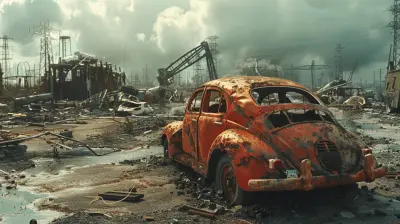
The Hidden History of Rapture: Too Big to Fail in BioShock
19 March 2026
If you've ever stepped into the eerie, submerged world of BioShock, you've undoubtedly felt the weight of its atmosphere. It's more than just a game — it's an experience. But beneath the crumbling art deco beauty, the twisted splicers, and the booming propaganda of Andrew Ryan, there's a deeper story at play. One that's soaked in ambition, ideology, and inevitable downfall.
Let’s dive deep into the hidden history of Rapture — a city that was, quite literally, too big to fail… until it did.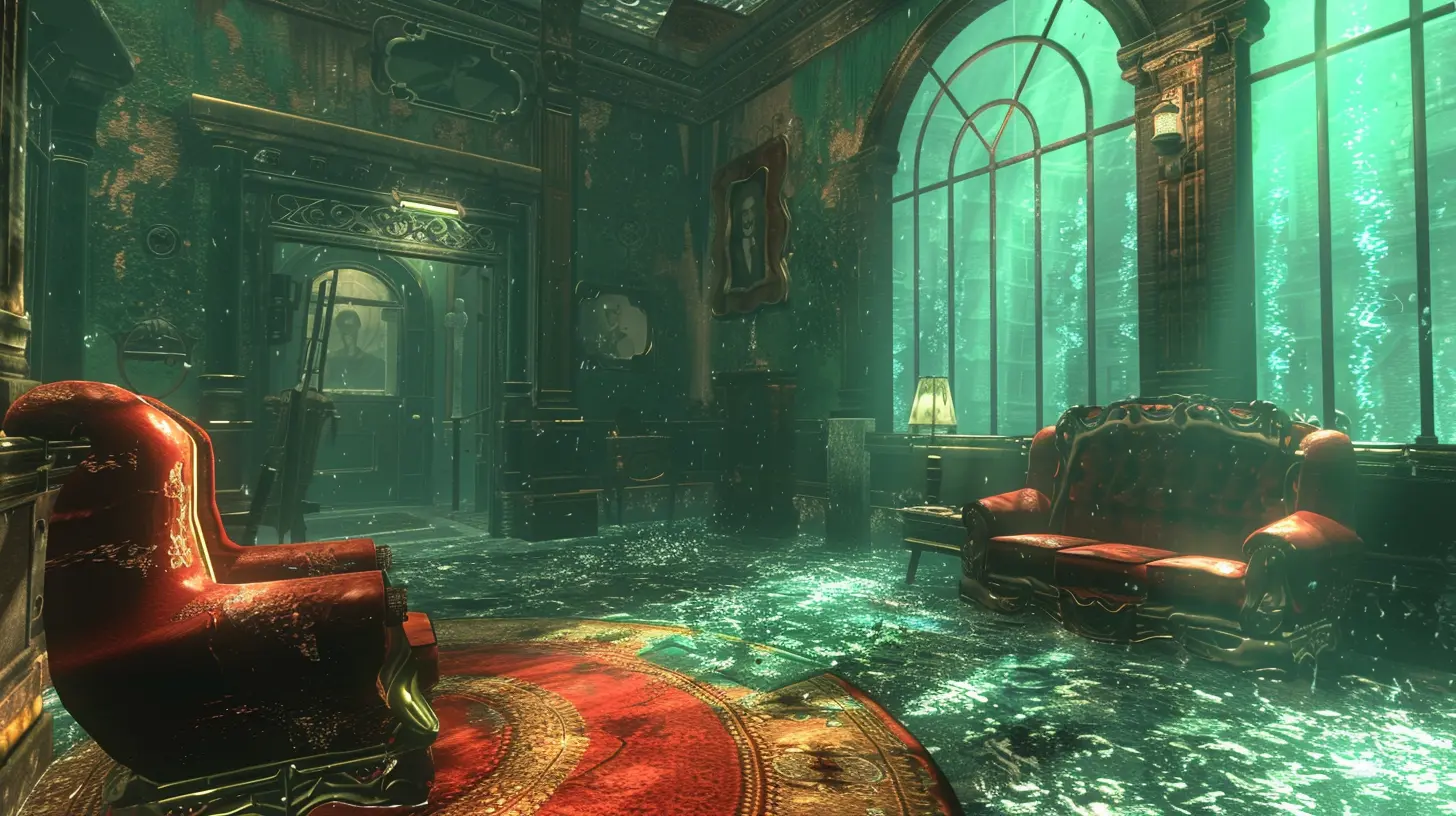
Welcome to Rapture: A City Born of Rebellion
Imagine a place built with the belief that freedom is everything. No gods. No kings. Only man. That’s the gospel according to Andrew Ryan, the mastermind behind Rapture. After witnessing what he saw as the evils of government control, religious dogma, and economic restriction, Ryan decided to build a utopia where people could thrive without limits.So where do you go when you want to escape the world? Under the sea, of course.
In the late 1940s, Ryan secretly began construction of Rapture on the ocean floor, far from the reach of any nation. It was an engineering marvel, a futuristic marvel wrapped in a 1940s aesthetic. But more than its design, it was its promise that lured the world’s brightest minds. Scientists, artists, inventors — all fed up with limits — found their way down to Rapture.
At first glance, it was paradise. But you know how this story goes. What’s paradise without a little corruption?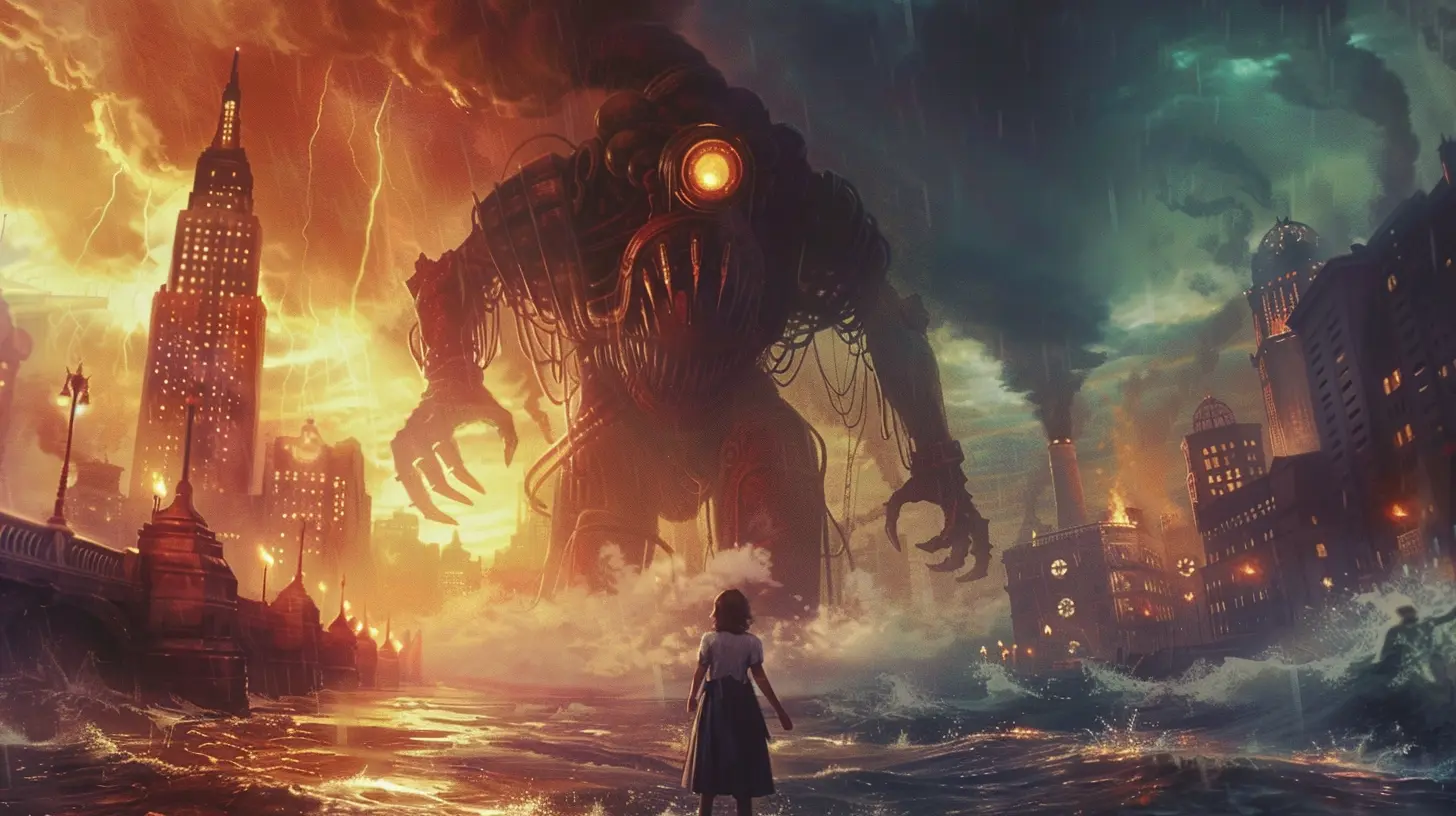
The DNA of Ambition: Meet ADAM
To understand Rapture’s downfall, we’ve got to talk about ADAM.Imagine a substance so powerful it could rewrite your genes. You could shoot fireballs with your hands, electrocute enemies, or even heal faster. That’s what ADAM did. It was a game-changer — literally and figuratively.
Harvested from a unique species of sea slug and later refined by the brilliant (and morally questionable) Dr. Brigid Tenenbaum, ADAM became the currency of power in Rapture. You didn’t just want it — you needed it. Especially if you wanted to keep up in a society that rewarded strength, talent, and innovation above all else.
But here's the catch: ADAM had side effects. Big ones. With repeated use, people became addicted, physically mutated, and mentally unstable. Hence the Splicers — those creepy, deranged figures that roam the halls of Rapture like ghosts of genius gone wrong.
This wasn't just a drug crisis. It was a DNA arms race… and it ripped Rapture apart from the inside.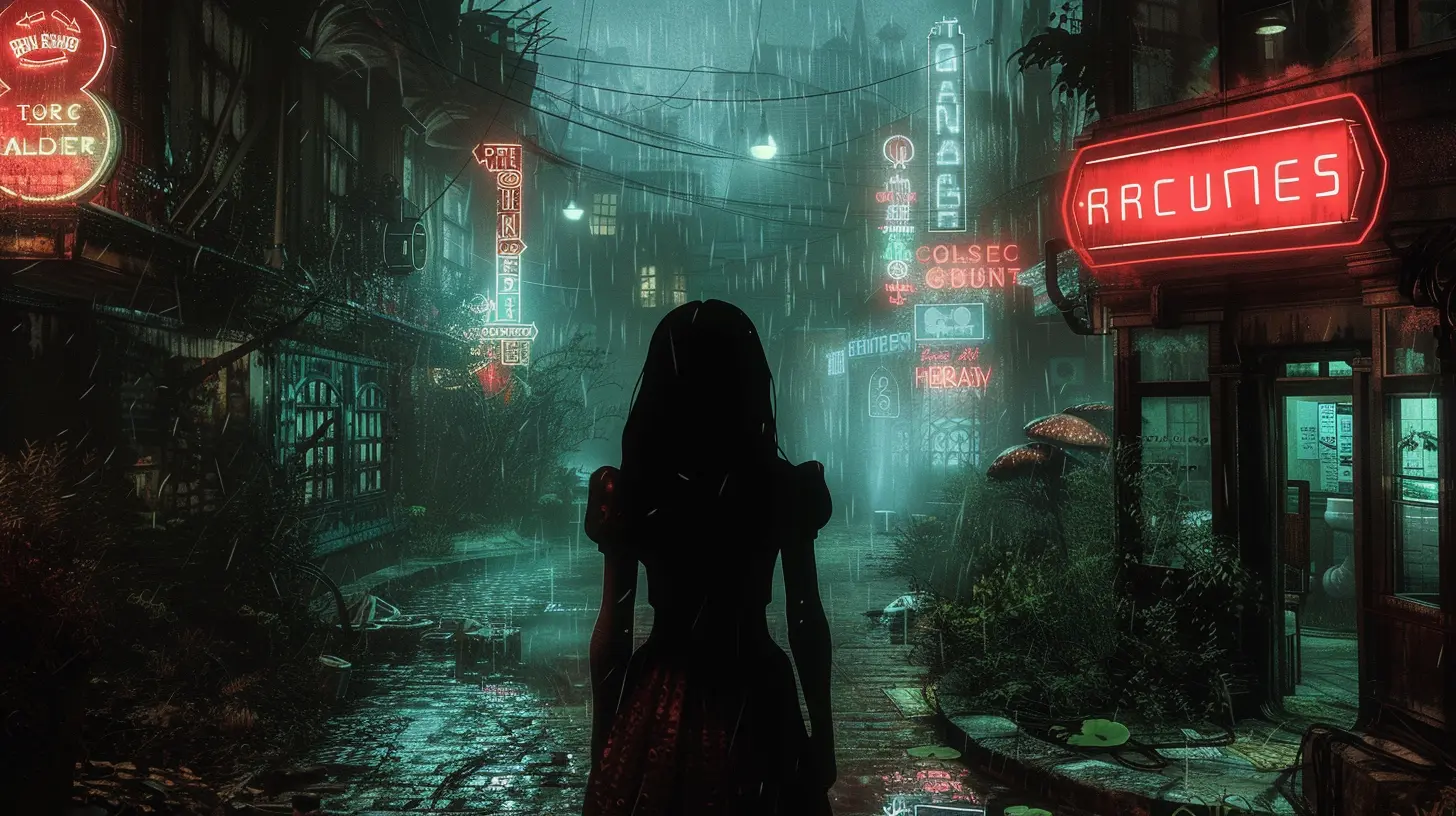
Andrew Ryan: Visionary or Megalomaniac?
Let’s get real for a second — Andrew Ryan is one of the most compelling characters in gaming. Equal parts visionary and tyrant, he truly believed he was creating a better world. But when things started to go south, his idealism morphed into paranoia.What happens when a man who despised control decides he needs to control everything?
He shut down freedom of the press. He installed surveillance systems. He cracked down on dissent. And when Fontaine — a rival businessman with shady ties — started offering stability and basic supplies to Rapture’s needy, Ryan labeled him a threat and declared war.
The irony? Ryan, the man who preached freedom, ended up building a police state. His obsession with purity made him blind to nuance. And so, Rapture crumbled under the weight of its own ideals.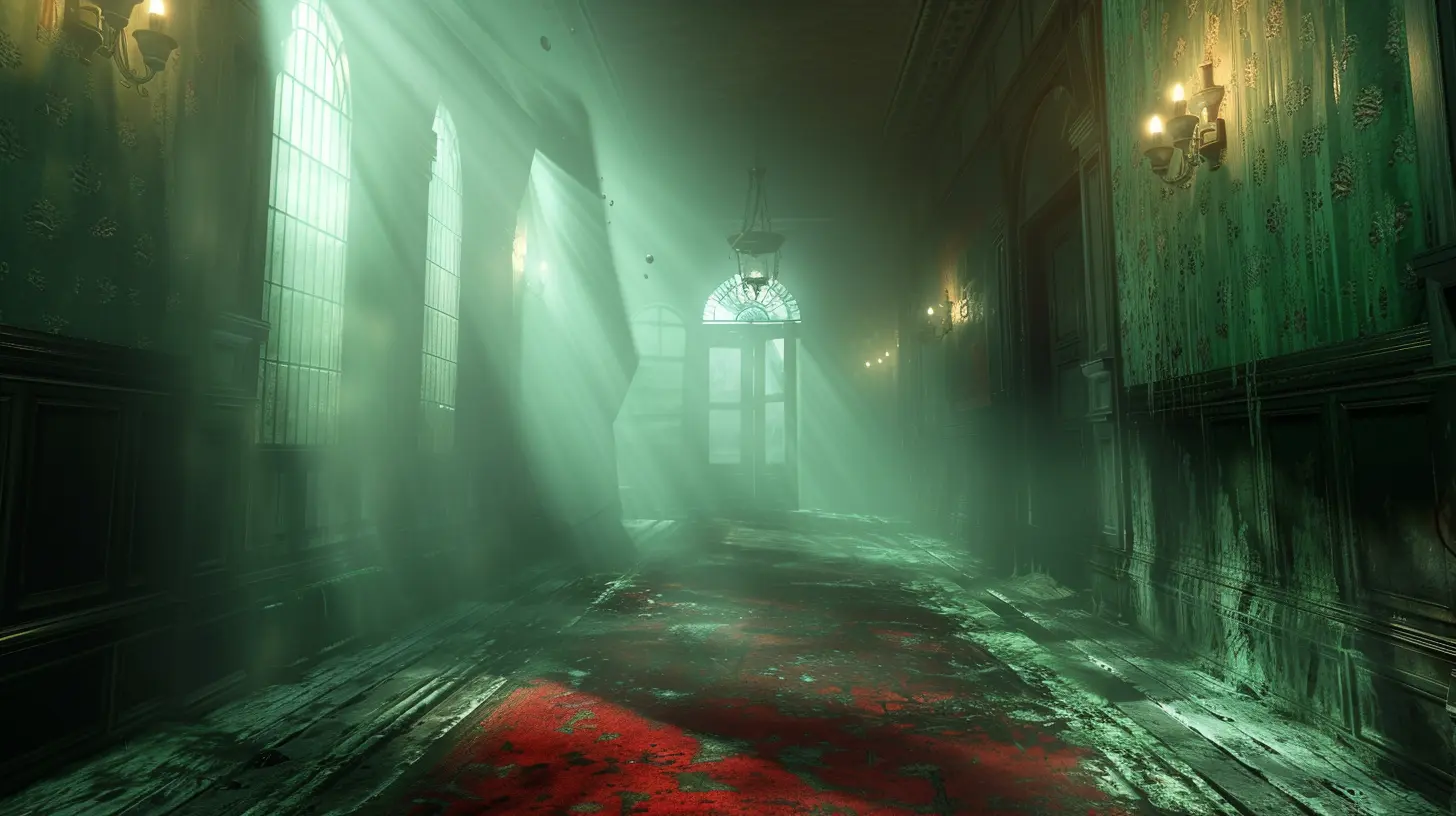
Fontaine: The Rise of the Anti-Hero
Frank Fontaine was everything Ryan wasn’t: street-smart, manipulative, and willing to blur every line to get ahead.Where Ryan saw Rapture as a canvas of human potential, Fontaine saw it as a goldmine. He built a criminal empire right under Ryan’s nose, dealing in ADAM, weapons, and goodwill. He set up orphanages (mostly to harvest more Little Sisters), organized the poor, and played the long game.
Eventually, he faked his own death and returned under a new identity: Atlas. Yep, the friendly Irish voice guiding you through the first part of BioShock? That’s Fontaine in disguise. Talk about a long con.
So while Ryan was building statues and rehearsing speeches, Fontaine was recruiting soldiers. And when full-scale civil war broke out in Rapture, it was Fontaine’s forces versus Ryan’s security. Guess who won?
Neither. The city lost.
Plasmids, Progress, and the Price of Perfection
Plasmids were the poster children for Rapture's scientific freedom. With them, you could do things that made you feel like a god. No more limitations. Just pure, unadulterated power.But they also symbolized Rapture’s darkest lesson: unchecked progress comes with a price.
People started obsessing over enhancements. Cosmetic surgeries. Super-strength. Telekinesis. And soon, they weren’t satisfied with just one or two upgrades. They wanted more. And more. Until they lost what was most human about them — their minds.
The city that was built to unleash the best of humanity ended up exposing the worst.
Little Sisters & Big Daddies: Tragic Symbiosis
You can’t talk about Rapture without mentioning the most iconic duo in the game: the Little Sisters and Big Daddies.The Little Sisters were young girls implanted with sea slugs to produce ADAM. They shuffled through the ruins of Rapture, harvesting ADAM from corpses with eerie innocence. But they weren’t alone — each had a hulking protector, a Big Daddy, who would annihilate anything that threatened their ‘little one.’
This disturbing partnership was a necessity born out of Rapture’s chaos. It was survival, factory-style. And it perfectly captures the tragic heart of the city: even its children weren’t safe from exploitation.
What’s more haunting? You, the player, are forced to decide their fate. Do you rescue them and undo the damage? Or harvest them and become part of the problem?
It’s gut-wrenching. And that’s the genius of BioShock.
Would You Kindly: The Illusion of Choice
Let’s talk about that bombshell twist. You know the one.The phrase “Would you kindly” seems harmless, right? It’s polite. Gentle. Almost fatherly. But in BioShock, those three words reveal the game’s darkest secret: you’ve been a puppet all along.
The moment you realize you’ve been manipulated — that your every action was pre-programmed — it flips the narrative entirely. You’re not the hero. You’re a tool.
It’s a brilliant commentary on the illusion of freedom — both in video games and in society. Just like Rapture’s citizens thought they were free until systems of control crept in, you thought you had agency until you realized you didn’t.
Mind. Blown.
The Fall of Rapture: Too Big to Fail?
Here’s the thing: Rapture didn’t fail because of one bad guy or even a bad idea. It failed because of a mixture of hubris, ambition, and a refusal to admit limits.It was “too big to fail” — a phrase we often hear in politics and economics. But when a system builds itself on the idea that nothing can touch it, it becomes blind to its own flaws. And when chaos hits? There’s no one left to fix it.
Rapture didn’t just collapse. It imploded. And despite the destruction, it left behind a legacy — a cautionary tale for dreamers and tyrants alike.
Why Rapture Still Resonates Today
Even today, long after BioShock first released, Rapture still feels relevant. Why?Because it's a mirror. One that reflects our society’s obsession with innovation, freedom, and status. It asks tough questions: What happens when ideals go unchecked? When power is prioritized over people? When control masquerades as freedom?
These questions aren’t just for gamers. They’re for anyone navigating a world where lines between good and evil, right and wrong, freedom and manipulation are blurred.
So the next time you're diving into BioShock and admiring those neon-lit corridors, remember: you're not just exploring a city. You're walking through a philosophical minefield dressed as a shooter.
Final Thoughts: A Utopia Drowned
Rapture was supposed to be humanity’s last, best hope — a shining example of what we could become without limits. Instead, it became a graveyard of genius, ambition, and desperation.BioShock didn’t just give us a cool setting. It gave us a warning. One that doesn't get old, because we still chase utopias without asking the hard questions.
"The hidden history of Rapture" is more than lore. It's a reflection of us — our hopes, our fears, our darkest impulses. And that’s what makes it unforgettable.
all images in this post were generated using AI tools
Category:
Lore And StorylinesAuthor:

Kaitlyn Pace
Discussion
rate this article
2 comments
Makayla Anderson
Rapture serves as a haunting reflection on human ambition and the perils of unchecked ideology. Its meticulously crafted downfall echoes real-world histories of utopias gone awry, reminding us that in our quest for perfection, we often sow the seeds of our own destruction. Are we destined to repeat this cycle?
March 20, 2026 at 5:42 PM
Kaitlyn Pace
Thank you for your insightful comment! Indeed, Rapture's downfall serves as a powerful cautionary tale about the dangers of ambition and ideology, highlighting the cyclical nature of history. We must remain vigilant to avoid repeating these mistakes.
Sienna McIntire
Rapture's story is like a perfectly aged Plasmid: complex, a bit toxic, but oh-so-tasty for the brain! Who knew underwater cities could harbor such juicy secrets? Let’s just hope the next dive doesn’t end with a Big Daddy’s bear hug!
March 20, 2026 at 5:07 AM
Kaitlyn Pace
Thank you! Rapture's intricate narrative truly is a feast for the mind, blending wonder and danger in its submerged depths. Here’s hoping our next exploration uncovers even more thrilling secrets!