The Art of Zoning and Area Control in Competitive Games
17 August 2026
Let’s get one thing straight: competitive games aren’t just about flashy skills and ridiculous reaction times. Sure, aim matters. Yes, mechanics matter. But if you ignore the mental game—the strategic ballet of zoning and area control—you’re already losing, even before the match starts.
We're diving deep into one of the most overlooked yet crucial aspects of competitive gameplay: zoning and area control. Whether you’re grinding ranked in a MOBA, climbing in an FPS, or dominating in a fighting game, understanding how to control the space around you is the key to god-tier play.

What Is Zoning and Area Control?
Let’s break it down.Zoning is simple in theory—it's controlling space in a way that limits your opponent’s movement, options, or strategy. You’re saying, “Hey, this area? It’s mine. Enter at your own risk.”
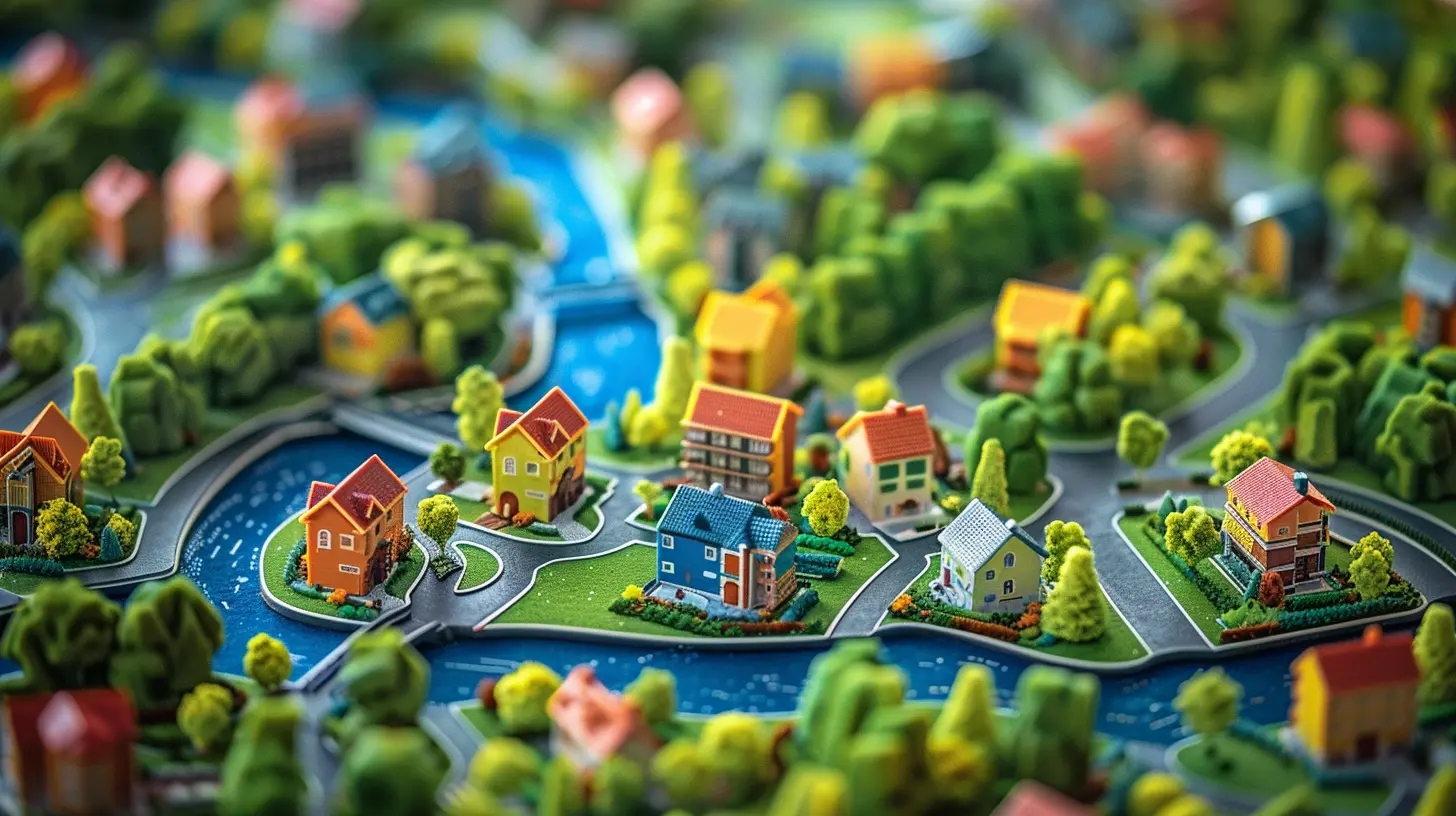
Area control builds on zoning. It’s not just about keeping opponents out—it's about owning key parts of the map or arena and using that control to dictate the game flow.
Think of it like a lion marking its territory. Once you’ve planted your presence, opponents have to think twice before stepping close. They’re not just reacting to you—they’re afraid of you. And that’s exactly what you want.
Why Zoning Matters More Than People Think
Most players treat zoning like an afterthought. They focus on kills, objectives, or flashy plays. But zoning is the glue that holds high-level strategy together.Do you want to:
- Force bad positioning from your enemies?
- Deny resources?
- Control engagements on your terms?
Zoning gets you there.
It’s not about showing dominance with raw firepower—it’s about imposing your will on the game.
Imagine you're playing chess. You don’t just move your pieces at random. You control the board, build pressure, and slowly suffocate your opponent’s options. Zoning in games like Overwatch, League of Legends, or Street Fighter does precisely that.

Zoning vs. Map Control vs. Area Denial
Let’s bust some myths. These terms get tossed around like popcorn at a movie theater, but they’re not all the same.| Term | Definition | Example |
|------------------|-----------------------------------------------------------------------------|------------------------------------------------|
| Zoning | Controlling a space with threats or presence | Shooting down a lane to keep enemies out |
| Map Control | Owning key parts of the map to leverage pressure | Holding high ground or jungle entrances |
| Area Denial | Using tools or threats to temporarily prevent access | Smoke grenades, AoE spells, traps |
All three are puzzle pieces of the same grand picture—domination. The best players don’t just understand the difference; they wield all three like weapons.

Zoning in Fighting Games: Not Just Button Mashing
Let’s start small-scale.In games like Street Fighter, Tekken, or Mortal Kombat, zoning is a mental war played at 60 frames per second. You're not just pressing buttons—you’re shaping the space between you and your opponent.
Think about projectile characters like Dhalsim or Guile. They throw out fireballs not just for damage—but to say, “Don’t you dare step here.”
Fighting games are chess matches covered in fists, and zoning is your way of telling the opponent where they can and cannot move.
Key Zoning Techniques in Fighting Games:
- Spacing: Keeping a precise distance to bait or punish attacks.- Normals for Space Control: Using long-range pokes to keep the enemy out.
- Anti-Air Traps: If they jump, they eat a spinning backfist.
- Fireball Spam: Not just annoying, but a layered control mechanism.
If you’ve ever fought someone who "feels impossible to approach," congrats—you’ve been zoned.
Zoning in MOBAs: It’s All About Pressure
In a game like League of Legends or DotA 2, zoning turns the laning phase into psychological warfare.Let’s say you’re a support in bottom lane. You move slightly forward, step into a brush, maybe throw out a threatening ability. Suddenly, the enemy AD carry pulls back. You didn’t land a hit. You didn’t commit. But you zoned them away from precious gold and experience.
That’s power.
Zoning applies throughout the game:
- During fights: Use AoEs and positioning to control space.
- During objectives: Threaten key chokes, vision zones, or entrances.
- When sieging: Force hesitation with poke or crowd control range.
High-level MOBA play isn’t just about reactions—it’s about orchestrating map control like a composer conducts a symphony.
FPS Zoning: The Fine Art of Angles and Utility
Shooters are fast, chaotic, and visceral—but zoning still plays a huge role.In games like Valorant, CS:GO, or Overwatch, zoning is about:
- Angles: Holding deadly sightlines to make areas unsafe.
- Utility: Smokes, flashes, and molotovs aren’t just tools—they’re statements.
- Presence: A single Operator holding mid can zone an entire team.
Ever seen a pro team hesitate for ten seconds before entering a site? They weren’t scared of bullets—they were respecting zoning.
And in Battle Royale games? Zoning becomes survival. The high ground, the circle edges, the loot zones—they’re all part of a fluid control game where every player contributes to zoning whether they realize it or not.
How to Master Zoning in Your Favorite Game
Now let’s talk brass tacks. How do you get better at zoning and area control?1. Develop Map Awareness
You can’t control what you don’t understand. Know the high-traffic zones, choke points, and objective areas. This isn’t optional—it’s fundamental.> “If you're not actively thinking about the map, you're already behind.”
2. Learn the Tools of the Trade
Each game has different zoning tools. Know your kit.- Grenades, smokes, and traps in FPS
- Stuns, slows, and area denial spells in MOBAs
- Pokes, projectiles, and counters in fighters
3. Play Mind Games
Use your positioning and movement to bait reactions. Step forward aggressively to scare someone off, then back up. Easy lane control.4. Control the Tempo
Aggressive zoning shifts the pace. You force your opponents to react, and reactive players are easier to read—and destroy.5. Watch the Pros
Analyze how top players control space. Don’t just admire their kills. Watch where they stand, how they threaten, and how they shape the battlefield.
The Psychological Warfare of Zoning
Here’s where things get really juicy.When you control an area, you do more than limit movement—you get inside your enemy’s head.
Ever play against someone who made you second-guess every move? That wasn’t just skill; that was dominance by design.
Zoning creates anxiety. It creates confusion. It forces mistakes. And here’s the kicker: half the time, you don’t even need to do anything. Just the threat of a punish or trap can keep opponents frozen.
It’s like being a sniper in a western film. You don’t have to shoot first—you just have to make them sweat.
When Zoning Goes Wrong: Common Mistakes
Zoning's powerful, but it's not bulletproof. If you mess it up, you give the enemy an opening they’ll gladly exploit. Here are some common misplays:- Overcommitting: You push into space you can’t control. Instant punishment.
- Predictability: Same zoning pattern? Opponents will read you like a book.
- Tunnel Vision: You get so focused on controlling one area, you forget the rest of the map.
- Lack of Follow-Up: Great, you zoned them out—but then you did nothing with it.
Control is only useful if it leads to something—an objective, a kill, a win.
The Zoning Mindset: Playing the Long Game
Want to truly master the art of zoning and area control? You’ve got to change the way you think.Zoning isn’t about immediate gratification. It’s about long-term leverage. Every inch of space you take is one the enemy loses. Every denied resource, every forced disengagement, every moment of hesitation—it all adds up.
Start treating space like a currency in your matches. You don’t just trade damage—you trade control. And the player with the most control usually ends up on top.
Final Thoughts: Control the Space, Control the Game
Whether you're a casual weekend warrior or an aspiring esports pro, zoning and area control are the tools that will take your game from decent to dominant.It's the difference between reacting…and dictating.
So next time you load up your favorite game, ask yourself: Where am I controlling space? Where am I letting my opponent breathe?
Then fix it.
Deny, zone, control—and let the wins roll in.
all images in this post were generated using AI tools
Category:
Gaming StrategiesAuthor:

Kaitlyn Pace
Discussion
rate this article
1 comments
Isaac Webster
Mastering zoning can elevate your gameplay strategy!
August 17, 2026 at 3:14 PM
Kaitlyn Pace
Absolutely! Zoning is key to controlling the map and outsmarting opponents. Glad you found it valuable!