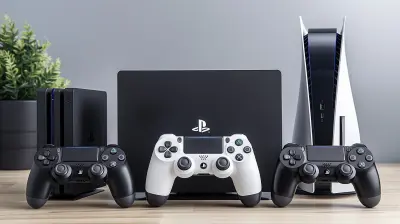
Retro Game Consoles Making a Big Comeback
3 April 2026
Do you remember the first time you picked up a controller? Maybe it was the NES, blasting away Goombas with Mario. Or perhaps it was the Sega Genesis, speeding along with Sonic. Whatever your console of choice, there’s a good chance it left a lasting impression. Fast forward a couple of decades, and guess what’s creeping back into the spotlight? That’s right — retro game consoles are making a big comeback, and it’s not just about nostalgia. It’s a full-blown revival of a golden era of gaming, and you might just find yourself dusting off those old cartridges or snagging a mini console soon.
Let’s unpack why retro consoles are suddenly cool again, what’s fueling this pixel-powered renaissance, and why even Gen Z gamers are hopping on the bandwagon.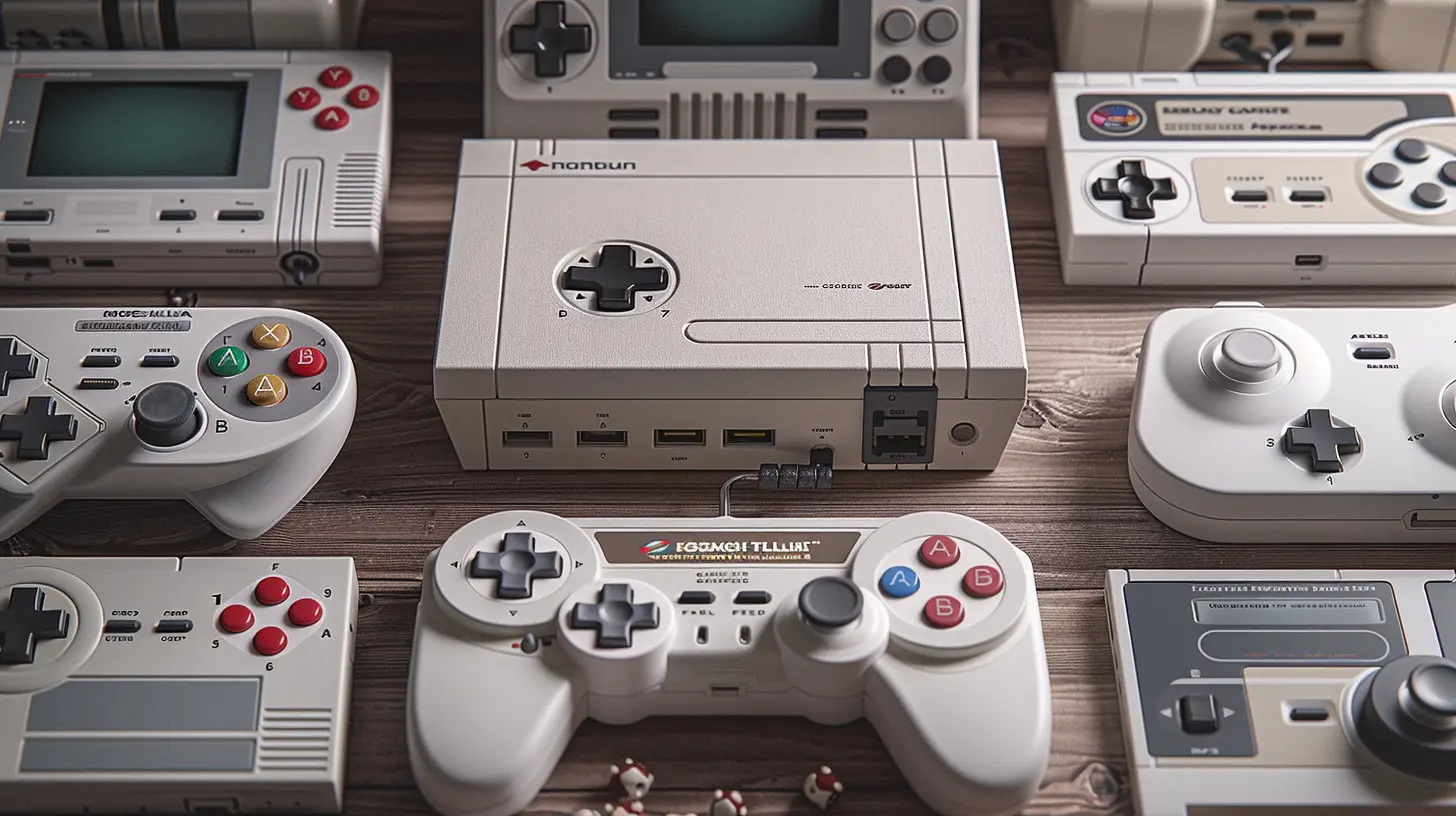
Why Are Retro Consoles Trending Again?
Nostalgia Is a Powerful Potion
Let’s face it — we all love a good throwback. Retro gaming taps into something deep. It’s not just about playing old games; it's about reliving the carefree days of childhood. Like the smell of a favorite meal or an old song on the radio, booting up a vintage console hits your brain with a dopamine surge of beautiful memories.We crave those simpler times, especially in a fast-paced world where next-gen graphics and online toxicity can feel a bit too much. Retro consoles offer a digital escape back to when gaming was all about fun, not frame rates.
Minimalism in Game Design
Modern games are often massive, complex, and sometimes overwhelming. Open-world fatigue is real. Retro games, on the other hand, thrive on simplicity. The gameplay is straightforward but addictive. You didn't need a hundred-page wiki to understand the mechanics — you could pick up and play. And that’s part of the charm.These games were built on tight mechanics and creativity, not brute-force graphics. It’s refreshing in today’s era of bloated installs and endless updates.
Collectors and Culture Keepers
There’s a growing tribe of gamers who double as collectors. Whether it’s the first-gen Game Boy, an Atari 2600, or original PlayStation discs, retro gear is becoming treasure.And let’s not ignore the rise of YouTube and Twitch content creators who specialize in reviewing or playing retro titles. Channels like these are introducing classic games to whole new audiences who weren’t even born when those titles first dropped. It’s creating a new kind of cultural preservation — and a growing demand for retro hardware and software.
Revival of the Classics: From NES to PlayStation
Nintendo’s Mini Consoles Led the Revolution
When Nintendo released the NES Classic Edition in 2016, it was a lightning bolt. Packed with 30 pre-installed games, HDMI output, and a classic look, it was a smash hit. It sold out everywhere and ignited a firestorm of interest.This led to the SNES Classic Edition, which carried the torch even further. Nintendo proved that people were not only willing to play old games, but they were eager to pay for the right kind of nostalgia package.
Sega and Sony Joined the Party
After Nintendo’s success, others followed. Sega released the Genesis Mini, featuring titles like Sonic the Hedgehog, Streets of Rage, and more. Sony took a swing with the PlayStation Classic, tapping into 90s nostalgia with titles like Final Fantasy VII and Tekken 3.While some executions were better than others (Sony’s offering drew mixed reviews), the trend was clear — retro was in, and not just as a novelty.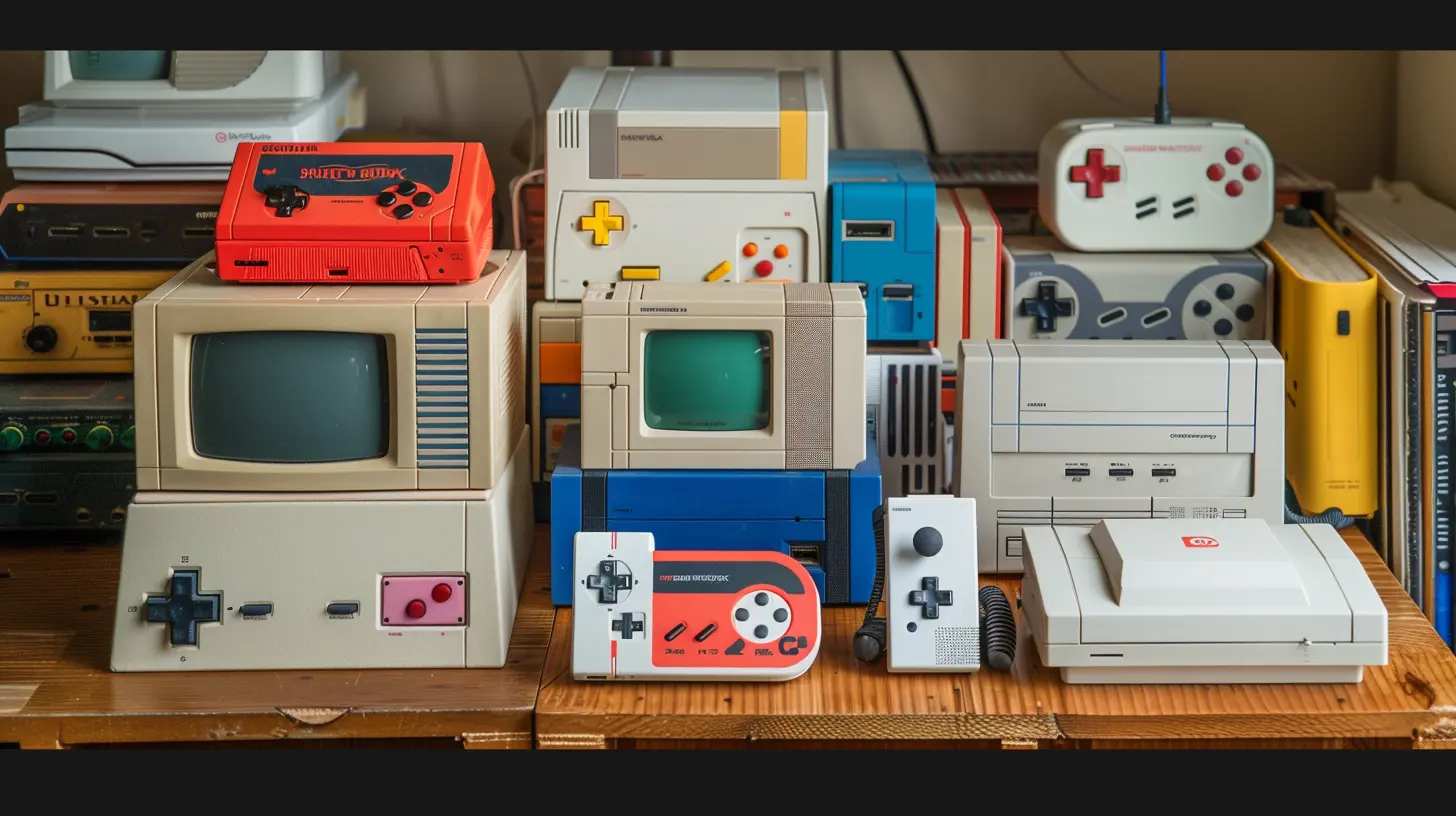
Emulation vs. Original Hardware
The Emulation Boom
Modern retro gaming isn’t limited to owning physical consoles. Emulation has exploded, allowing gamers to run old games on PCs, phones, Raspberry Pi setups, and even smart TVs. Platforms like RetroArch or handhelds like the Anbernic RG351 have made classic gaming more accessible than ever.But while emulation opens the door, purists argue it’s not the same as playing on original hardware. There’s something about the tactile feel of that clunky controller, the hum of the CRT TV, or blowing into a cartridge to make it work that emulation just can’t replicate.
Original Hardware Still Holds Value
For serious collectors, finding and restoring original hardware is like hunting for gold. Whether it’s fixing up a yellowing SNES or sourcing genuine controllers, there’s a real passion behind it. And let’s not forget — these machines, despite their age, still work astonishingly well when cared for.Original hardware is more than plastic and chips — it's a time machine.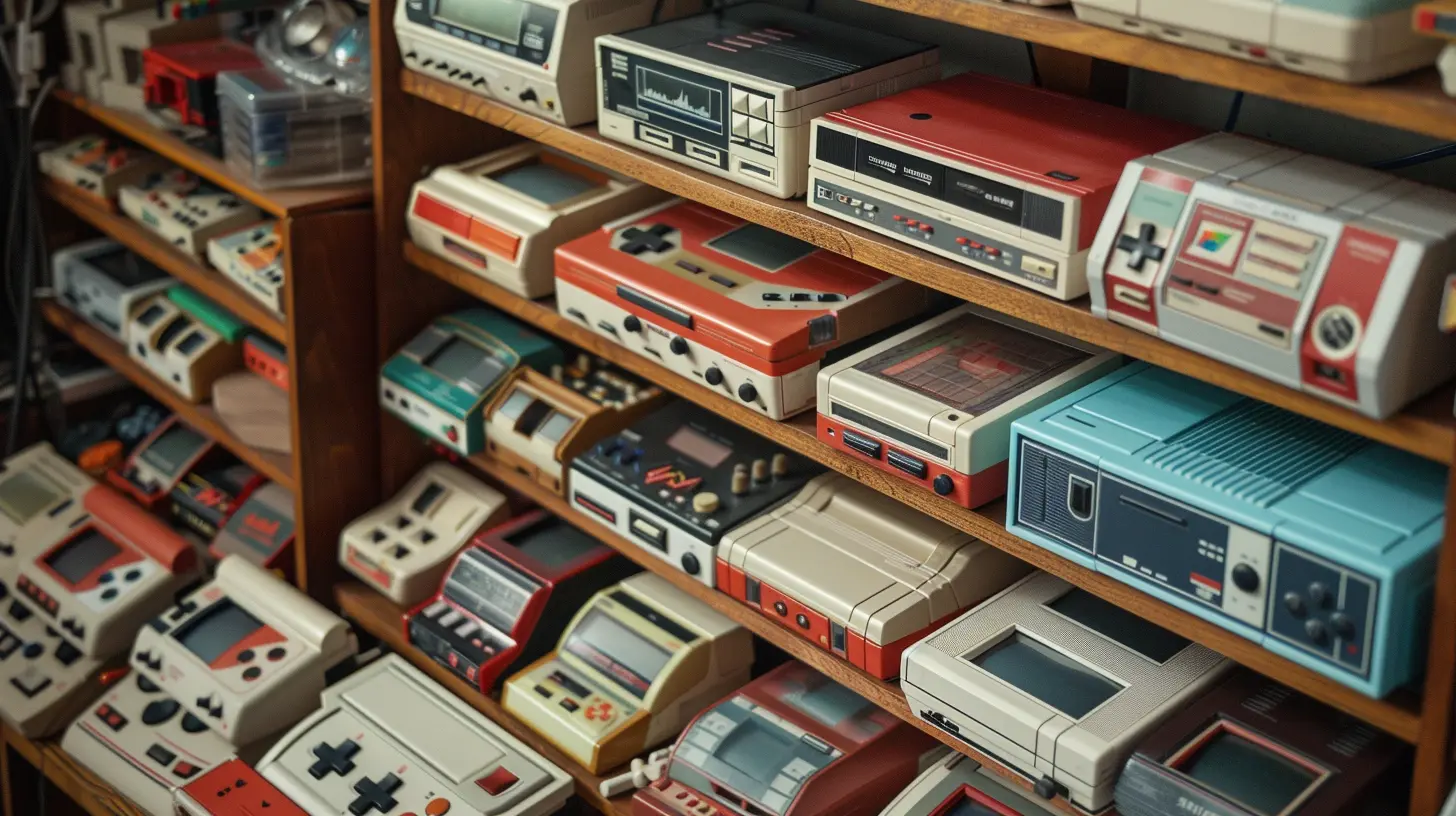
Indie Developers Are Keeping the Retro Spirit Alive
Pixel Art Isn’t Dead
In the indie game scene, retro-style graphics are not just a trend; they’re a mainstay. Games like Shovel Knight, Celeste, and Undertale thrive on 8-bit and 16-bit art styles. They bring the heart of retro gaming into the modern age, combining nostalgia with new-age storytelling and precision gameplay.These aren’t just tributes — they’re evolutions. And they prove that what made retro gaming great — tight mechanics, unique art, emotional soundtracks — still resonates deeply today.
Physical Releases Are Back, Too
Collectors adore companies like Limited Run Games and Strictly Limited Games that offer physical releases of both new and old-school-style games. These often come with retro-inspired packaging, manuals, and even cartridges for old systems. It's not just about playing the game — it's about owning a piece of gaming history.Gen Z Gamers Are Embracing the Retro Vibe
Interestingly, it's not just millennials or Gen Xers who are loving this resurgence. Gen Z — a generation raised on high-def graphics and digital downloads — is pivoting to retro gaming in increasing numbers.Why?
Because many of them are tired of microtransactions, battle passes, and online toxicity. There’s a purity in retro gaming that offers a refreshing change. Plus, retro games have become culturally iconic. They're meme-worthy, stylish, and often provide the kind of challenging gameplay modern titles have watered down.
It's a little ironic: the generation that never lived through the 80s is now obsessed with 8-bit.
The Role of Social Media and Gaming Communities
The revival isn't happening in isolation. Join any gaming subreddit, Discord, or TikTok scrolling spree, and you're bound to stumble across someone sharing their retro setup, unboxing old cartridges, or flexing their collection of mint condition systems.Social media has turned retro gaming into a shared experience. It's not just a solo hobby anymore — it's part of a bigger cultural conversation.
And yes, algorithmic FOMO is real. Seeing a friend show off their modded Game Boy might just be the nudge you need to get one yourself.
Where Retro Gaming Goes From Here
The Miniature Future
With the success of mini consoles, we can expect more on the horizon. Could there be a GameCube Mini or a Dreamcast Mini? Fans are begging for it, and the market is clearly there.Mini consoles strike a beautiful balance between accessibility and authenticity, offering plug-and-play simplicity with just the right touch of nostalgia.
Cloud-Based Retro Libraries
Services like Nintendo Switch Online and PlayStation Plus are offering classic games via the cloud. It's not just about owning the console anymore. In many ways, retro gaming is becoming a service — available on demand, instantly playable, and curated for the next generation.Imagine a future where every retro game ever made is available through one subscription. Sounds dreamy, right?
Tips for Getting Into Retro Gaming
Okay, so your interest is piqued. Where do you start?- Buy a mini console: NES Classic or Genesis Mini is a great gateway.
- Explore emulation: Try RetroArch or invest in an emulator handheld.
- Join the community: Find a retro Discord or Reddit thread. The community is super welcoming.
- Start a small collection: Hit up garage sales, eBay, or local retro shops.
- Don't worry about being a completionist: Focus on having fun, not collecting everything.
Remember, retro gaming isn’t about owning the rarest cartridge. It’s about having fun and reconnecting with what made you fall in love with games in the first place.
Final Thoughts
Retro game consoles are making a big comeback, and it's not just hype. It's a heartfelt return to the roots of gaming — when fun came first, and the only DLC you needed was an extra controller for your friend. Whether you're reliving your youth or exploring the classics for the first time, retro gaming is more alive than ever.So why not jump in? Dust off that old console, fire up a ROM, or grab a mini version. The pixels might be big, but so is the joy.
Let’s keep the classics alive — one load screen at a time.
all images in this post were generated using AI tools
Category:
Game ConsolesAuthor:

Kaitlyn Pace
Discussion
rate this article
2 comments
Viviana Mendez
I’m genuinely excited to see retro game consoles gaining popularity again! There's something special about reliving those classic gaming moments. They remind us of simpler times and the joy of playing with friends. It's great to witness a new generation discovering the charm of these timeless games. Keep up the great work!
April 5, 2026 at 3:39 PM
Kaitlyn Pace
Thanks for sharing your excitement! It's amazing to see how retro games continue to bring joy and connection across generations.
Siena Rosales
In pixelated dreams, nostalgia reigns, Classic consoles spark joy, like sunlit lanes. From 8-bit realms to vibrant displays, Retro magic revives our cherished playways.
April 4, 2026 at 3:17 AM
Kaitlyn Pace
Thanks for capturing the spirit of retro gaming! It truly does spark joy and memories for so many of us.