Multiplayer Storytelling: Shared Narratives in a Connected World
16 December 2025
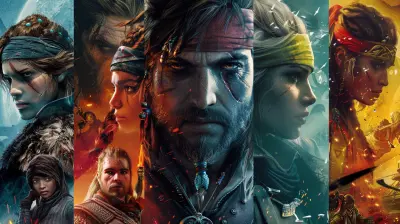
In the world of modern gaming, multiplayer storytelling has emerged as one of the most fascinating, innovative, and downright fun aspects of the medium. Gone are the days when storytelling in games was a singular affair, with a lone hero embarking on an epic journey. These days, stories aren't just told to players—they’re built collectively, like patchwork quilts, by the players themselves.
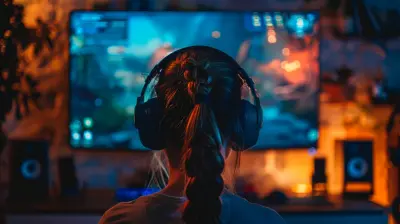
But what exactly is multiplayer storytelling? Why has it captured the hearts of gamers worldwide? And how has this connected form of storytelling completely changed the gaming landscape? Buckle up, grab your controller (or keyboard), and let’s dive headfirst into this epic discussion.
The Rise of Multiplayer Storytelling
What Is Multiplayer Storytelling Anyway?
Alright, let's start simple. Multiplayer storytelling is when games combine interactive stories with the collaboration—or chaos—of multiple players. It’s no longer about a single protagonist saving the world; instead, it’s about us—a team of players writing the story together as we navigate challenges, make choices, and share moments in-game.Think of it like a Dungeons & Dragons campaign but in a video game format. You’re not just playing the game; you’re actively shaping its narrative with others. It's part improv theater, part choose-your-own-adventure, and part sandbox playground.
Whether it's taking down massive bosses as a raid group in an MMORPG or navigating moral dilemmas in a co-op campaign, multiplayer storytelling isn't just a style of play—it’s a community-driven experience.
A Brief History of How We Got Here
Storytelling in gaming has come a long way, hasn’t it? Back in the 8-bit era, narratives were like seasoning—sprinkled lightly but definitely not the centerpiece. You might save the princess or defeat an evil overlord, but let's be real: storytelling wasn’t the focus.Then came the golden age of single-player RPGs—titles like Final Fantasy, The Legend of Zelda, and The Elder Scrolls. Suddenly, games became immersive experiences, rich with lore and complex characters. Gamers devoured these stories like a good book.
But here's where the magic happened. As the internet connected players globally, the craving for shared experiences grew. Developers saw the potential to merge storytelling with multiplayer gameplay. Enter masterpieces like World of Warcraft, Destiny, and Sea of Thieves. These games didn’t just connect players—they gave them the tools to create memories, their own stories, together. 
Why Multiplayer Storytelling Works So Well
Collaboration Brings Stories to Life
Let’s face it: some of the best tales come from an unexpected mix of personalities and perspectives. In multiplayer games, your teammates aren’t just random avatars—they’re co-authors of the experience.Ever had a friend charge recklessly into battle while you tried your best to strategize? Or debated with your party over whether to save the villagers or chase treasure? Those moments come alive because everyone plays a role.
Multiplayer storytelling thrives on collaboration. It’s the digital equivalent of telling campfire stories with friends, except in this case, you are the story.
The Unpredictability of Player-Driven Choices
Here’s the beauty of multiplayer storytelling: no two experiences are ever the same. It’s like trying to bake a cake with a group of toddlers. Sure, you might all have the same recipe, but the final product? Absolute chaos—and usually hilarious.The unpredictability comes from player actions. Maybe a teammate makes an unexpected moral choice (looking at you, guy who betrayed the guild for a rare sword). Or maybe a well-laid plan goes sideways because someone forgot to reload their weapon. These unexpected twists make the story feel alive and personal.
Emotional Connections Matter
You know those moments in games that hit you right in the feels? Multiplayer storytelling has a knack for amplifying those. When you triumph with a team after hours of effort or lose everything because one decision went sideways? Those experiences bond players like nothing else.It’s not just about connecting in the game; it’s about forming memories that linger long after you’ve logged off. Think about that one raid boss you defeated with your guild or the time you stayed up until 3 a.m. arguing over who sabotaged the spaceship in Among Us. Those moments stick with you. 
The Games That Nailed Multiplayer Storytelling
Some games just absolutely crush it when it comes to shared narratives. Let’s shout out a few MVPs:1. Divinity: Original Sin 2
This RPG masterpiece allows players to tackle moral dilemmas, form alliances, and even betray each other. The story isn’t fixed—it bends and twists depending on player decisions. Relationships between party members feel real, and the game’s cooperative storytelling sets a gold standard.2. Sea of Thieves
Why follow a boring script when you can be a pirate? Sea of Thieves lets players craft their own high-seas tales through treasure hunts, naval battles, and the occasional kraken attack. The open-world format makes every session unique.3. Minecraft
You didn’t think I’d forget this one, right? While it’s not a traditional “narrative” game, the stories players build in Minecraft’s sandbox are legendary. From epic fortress sieges to roleplaying villages, this game proves that storytelling can come from the most unexpected places.4. The Elder Scrolls Online
Bringing Tamriel online was a genius move. Not only do you get to experience massive story arcs, but you also get to do it alongside players who share the questing journey with you. Whether teaming up to fight Daedric forces or debating lore theories, the storytelling goes far beyond the screen.
Challenges in Multiplayer Storytelling
As amazing as this shared experience is, it’s not without its hurdles. Let’s break down some challenges developers face:1. Keeping Everyone Engaged
When a group of players has wildly different playstyles or priorities, balancing engagement can be tricky. What excites one player might bore another.
2. Player Conflict
Sometimes storytelling can bring out… well, less-than-friendly behavior. Disagreements about choices or roles can escalate into full-on drama. And while that can enhance the story, it can also derail the fun.
3. Technical Complexity
Creating a system where multiple players’ choices influence the narrative? That’s no easy feat. Developers have to juggle branching paths, seamless syncing, and endless possibilities without things breaking down.
The Future of Multiplayer Storytelling
So, what’s next? Multiplayer storytelling has already evolved so much, but the possibilities feel endless.With advancements in AI, we could see NPCs (non-playable characters) who react dynamically to player choices, making stories feel truly responsive. Imagine playing a game where the “villain” adjusts their tactics and motivations based on how you and your friends interact with the world.
Virtual reality (VR) and augmented reality (AR) are also game-changers. Imagine stepping into a room with your friends and physically acting out the story together. Multiplayer storytelling in VR could blur the lines between gaming and real-life theater.
And lastly? Expect community-driven storytelling to grow. Games might hand over even more narrative control to players, letting them design quests, write dialogue, and shape worlds together. It’s like being co-writers of your own fantasy novel.
Why Multiplayer Storytelling Is Here to Stay
At its core, multiplayer storytelling taps into something deeply human: the power of shared experiences. Whether you’re laughing over in-game shenanigans, mourning a tough loss, or celebrating an epic win, these moments feel real because they’re shared.Gaming isn’t just a solo journey anymore—it’s a collective adventure. And as technology continues to connect us in new ways, it’s safe to say that the future of storytelling is one we’ll be writing together.
So, next time you boot up a multiplayer game, take a moment to appreciate the story you’re about to create. Because in the world of multiplayer storytelling, the most important player is you.
all images in this post were generated using AI tools
Category:
Interactive StorytellingAuthor:

Kaitlyn Pace
Discussion
rate this article
2 comments
Zephyrian McVicker
Multiplayer storytelling redefines how we experience narratives, allowing players to shape the story together. This collaborative approach not only enhances engagement but also fosters deeper connections between players. As game developers explore innovative mechanics for shared narratives, we can expect even richer and more immersive experiences in the gaming world.
December 24, 2025 at 4:25 AM
Kaitlyn Pace
Absolutely! Multiplayer storytelling truly transforms narrative experiences, creating a unique bond among players as they shape the story together. This innovation paves the way for deeper engagement and richer gaming experiences.
Vaughn McCoy
Great read! Multiplayer storytelling is such an exciting way to connect with friends and create unforgettable moments. It’s amazing how games can weave our individual experiences into a shared narrative. Can’t wait to see what’s next in this space!
December 20, 2025 at 4:06 AM
Kaitlyn Pace
Thank you! I'm glad you enjoyed the article. Multiplayer storytelling truly does create unique connections and memories. Exciting times ahead!