Mastering the Mind Games of High-Level PvP
6 June 2026
Whether you're dueling in a fantasy MMORPG, battling it out in a competitive shooter, or clashing in a fast-paced MOBA, there's one thing that separates the good players from the legends — the mind game. High-level PvP (Player vs. Player) isn't just about quick reflexes or perfect aim. It's about outthinking, outplaying, and outlasting your opponent by getting inside their head.
This article isn't about gear loadouts or button-mashing combos. Nope—we're diving deep into the psychological warfare that defines elite PvP play. If you're ready to shift from mechanical master to mental maestro, buckle up.
? PvP Is a Mental Battlefield
At its core, PvP is a battle of minds. You’re not just fighting what’s on the screen—you’re fighting the person behind the keyboard or controller. Every dodge, every fakeout, every rage quit—it's all part of a massive mental tug-of-war.Think about it. Mechanics can be learned. Combos can be practiced. But being unpredictable? Reading your opponent like an open book? That’s next-level stuff.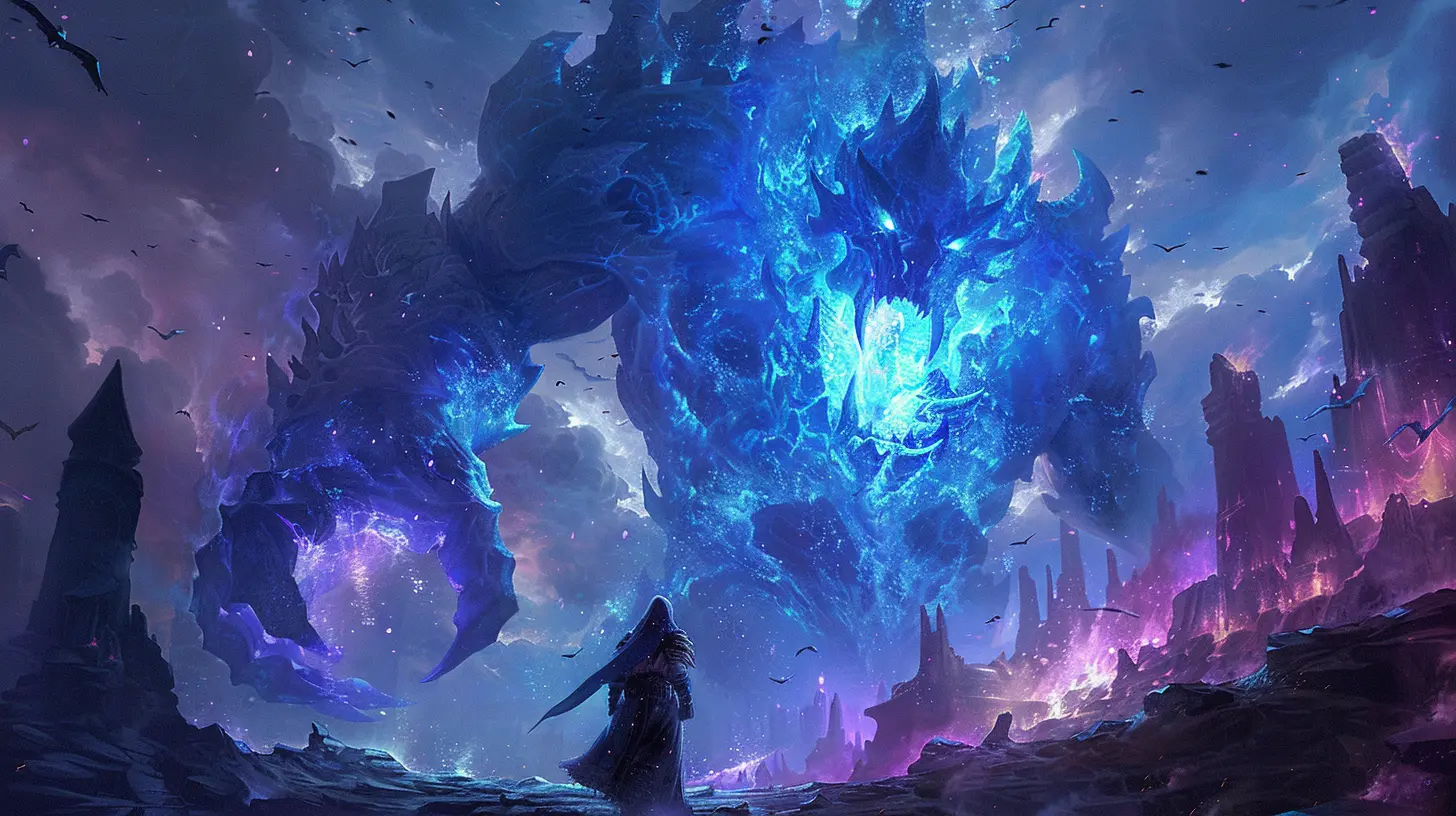
? The Power of Deception
Ever baited someone into overextending, only to burst them down the second they take the bait? That’s deception in action—and it's beautiful.- Fake-outs: Pretend to commit to a fight, then retreat. Your opponent may chase, leaving themselves exposed.
- Bait Abilities: Show them a cooldown or spell early to force a reaction, then punish the mistake.
- Conditioning: Repeating a pattern only to switch up suddenly. It lulls them into a false sense of security.
Deception is your paintbrush. Use it to create chaos, confusion, and openings.
?♂️ Tilt Management: Keep Your Cool
PvP is intense. You lose a match you should've won? Frustrating as hell. But here's the thing—everyone tilts. What separates the elite from the average is how you handle it.Tips to Stay Cool:
- Recognize the signs (clenched jaw, faster breathing, blaming lag—yeah, we’ve all been there).
- Take frequent breaks. Seriously, walk away for five minutes.
- Play with a poker face. Even if you're screaming inside, don't let the enemy see it.
If your opponent senses you're tilting, it’s game over. They’ll press harder, knowing you're not thinking straight.
? Reading Your Opponent Like a Book
Think of PvP opponents like puzzles. Every movement, every hesitation, every attack reveals a piece of their game plan.Ask yourself:
- Are they aggressive and reckless?
- Do they play defensively, waiting to counter?
- Are they trying to bait me?
Start looking for patterns. Do they always dodge left? Spam the same combo when low? Exploit those habits.
Reading your opponent is like downloading their strategy in real time. Once you’re in their head, you’ve already won the fight.
?️♂️ Prediction vs Reaction
Good players react. Great players predict.You want to reach the level where you're not just responding to what your opponent does—you’re already a step ahead. Anticipating a flank? Already waiting for them. Expecting a stun? You’ve got your escape planned.
Train yourself to:
- Watch enemy animations and behavior.
- Think two moves ahead, like chess.
- Use game knowledge to predict common tactics or combos.
Predicting actions lets you set traps instead of simply avoiding them.
? The Art of Mindful Aggression
Going aggressive doesn’t mean being brainless. There’s a huge difference between smart pressure and kamikaze attacks.Mindful aggression means:
- Applying pressure while keeping control.
- Forcing your opponent to make decisions—fast.
- Staying close enough to threaten but distant enough to retreat.
The goal? Stress them out. Make them panic. When you dictate the pace, you're pulling their strings like a puppet master.
⚖️ Patience Is a Weapon
High-level PvP isn’t always flashy. Sometimes, the strongest move... is doing nothing. Waiting. Watching. Letting your opponent make the first move.It’s like a game of chicken. Who flinches first? Who commits too early?
Patience creates opportunity. It:
- Lures enemies into false confidence.
- Prevents overcommitting.
- Opens windows for perfect counters.
Remember: the more patient player usually makes the fewer mistakes.
? The Meta Mind Game: Trash Talk & Emotes
Now, I’m not saying be toxic (don’t be that guy). But psychological warfare doesn’t end with movement and mechanics.Some games allow emotes, gestures, or clever chat. These small actions can mess with your opponent’s head big time.
- Spamming a laugh after a dodge? Might make them reckless out of frustration.
- A cheeky dance after a flawless win? Psychological pressure for the rematch.
- Complimenting their skill? Might make them overconfident and sloppy.
Use in moderation—and never cross the line. It’s all about subtle nudges, not full-blown trolling.
? Adaptability: The Hallmark of High-Level Play
PvP isn't static. The same trick won’t work twice on a smart opponent. That’s where adaptability shines.Every match is a new puzzle. Ask yourself mid-game:
- What’s working? What’s not?
- Have they figured out my opener?
- Do I need to switch playstyles?
If you’re a one-trick pony, expect to be countered hard. But if you can flex between aggression, defense, and trickery—you’re unpredictable and dangerous.
?️ PvP Is A Game Of Margins
At the high level, fights often come down to milliseconds and millimeters. One missed dodge. One poorly timed combo. That’s all it takes.That’s why mental edge is so crucial. If the mechanics are dead even, the mind game is what tips the scale.
And believe me, opponents will crack under pressure. They'll misread your feint. They’ll panic roll. They’ll whiff ultimates. That’s your opening.
? Training the PvP Mind
You train your aim. You train your combos. But are you training your mind?Here’s how you level up your mental game:
- Watch high-level players and study their decision-making.
- Review your own matches and identify mental mistakes.
- Play mind games on purpose in casual matches to test reactions.
- Meditate or visualize before entering ranked (sounds weird—actually works).
Mental prep is just as important as mechanical warm-ups.
? PvP Mind Hacks To Try Right Now
Here’s a little toolbox of mental tricks. Use them wisely:1. Reverse Tilt
Pretend you're losing badly. Make reckless plays. Then flip the switch. Your enemy’s guard drops—you strike.
2. Silent Game
Don’t use emotes, chat, or taunts at all. Make them nervous by being an enigma.
3. Pattern Insertion
Add a fake rhythm to your playstyle (jump, dodge, attack), then break it unexpectedly.
4. Momentum Manipulation
Let the opponent get some early wins, then crush them completely. That swing is a psychological nuke.
? It's You vs. Them, Not You vs. You
Here’s where most PvPers go wrong. They start fighting themselves—doubting, overthinking, spiraling after a loss. But PvP is about reading your enemy’s weakness, not obsessing over your own.Shake off the fear of losing. It’s part of the sport. Every match, win or lose, teaches you something about the battlefield inside the mind.
Get curious. Get crafty. And get in control.
? Final Thoughts: Dominate Without Moving a Muscle
Mastering the mind games of high-level PvP means embracing the sneaky, subtle, strategic side of competition. It’s not always about flash. It’s about finesse.When you can force mistakes without even pressing an ability, when you can win fights by reading thoughts instead of movements—then you’ve entered the elite tier.
So next time you queue up, don’t just think with your fingers. Think with your brain. Outwit, outlast, outplay.
That’s the true game.
all images in this post were generated using AI tools
Category:
Gaming SkillsAuthor:

Kaitlyn Pace
Discussion
rate this article
2 comments
Aria McLaury
Mastering the mind games in high-level PvP is all about strategy and resilience. Stay focused, adapt quickly, and remember, every challenge is a chance to grow.
August 27, 2026 at 4:41 PM
Kaitlyn Pace
Absolutely agree! Staying adaptable and resilient is key. Each match truly is an opportunity to hone our skills.
Katherine Fletcher
Great tips! Mind games truly make PvP more engaging.
June 6, 2026 at 2:53 AM
Kaitlyn Pace
Thanks! I'm glad you found the tips helpful. Mind games really do add a new layer to PvP.