How to Train Like a Pro Gamer Without Burning Out
25 August 2026
So, you want to be a pro gamer? I get it—competitive gaming is intense, exciting, and let’s be honest, incredibly cool. The dream of turning your passion into a profession is more tangible today than ever before. But here's the catch: while grinding for greatness, it's dangerously easy to burn out. And burnout is the last thing you want when you're chasing a gaming career.
It’s not just about playing for 10 hours a day. Training like a professional gamer involves strategy, discipline, mental fitness, and—perhaps most importantly—balance. So how do the best of the best train without frying their brains and totally hating their favorite games? That’s exactly what we’re here to talk about.
Let’s break it all down into digestible, practical pieces so you can level up your game without falling off the edge.
The Gaming Grind: Why Burnout is a Real Threat
First things first, let’s talk about the grind. Grinding in gaming is like running on a treadmill. You’re moving, grinding XP, building skills, and pushing your limits... but if you aren’t careful, you’ll trip and collapse from exhaustion.Burnout for gamers looks like:
- Lack of motivation to play
- Constant fatigue
- Mood swings or irritability
- Decreased in-game performance
- Physical pain (we're looking at you, carpal tunnel)
Sounds familiar? You’re not alone. Thousands of aspiring gamers push themselves past their limits, thinking it's the only way to make it. But pushing too hard without a plan is like trying to sprint a marathon. It doesn’t end well.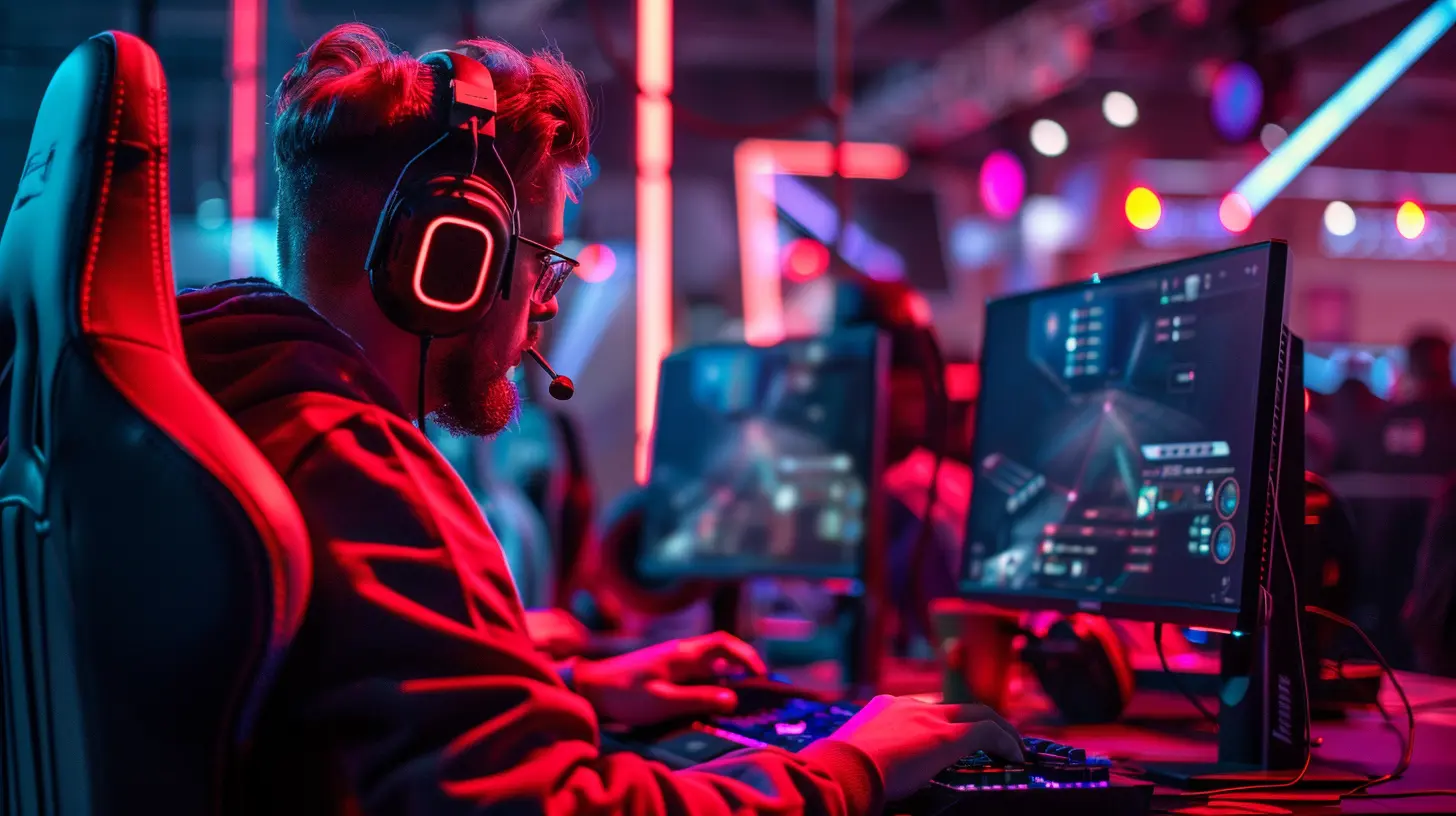
Step 1: Set Clear, Realistic Gaming Goals
Professional gamers don’t just "play a lot." They train with purpose.Instead of mindlessly queuing up match after match, ask yourself:
- What specific skill am I trying to improve today?
- Am I focusing on micro or macro gameplay?
- Do I need to work on communication or map awareness?
Break your big gaming goals into bite-sized, manageable chunks. Want to go from Platinum to Diamond? Cool—but aim for improving decision-making first, or lock in a consistent win rate before ladder climbing.
Setting milestones keeps you grounded and gives you a tangible sense of progress. It’s like leveling up in real life.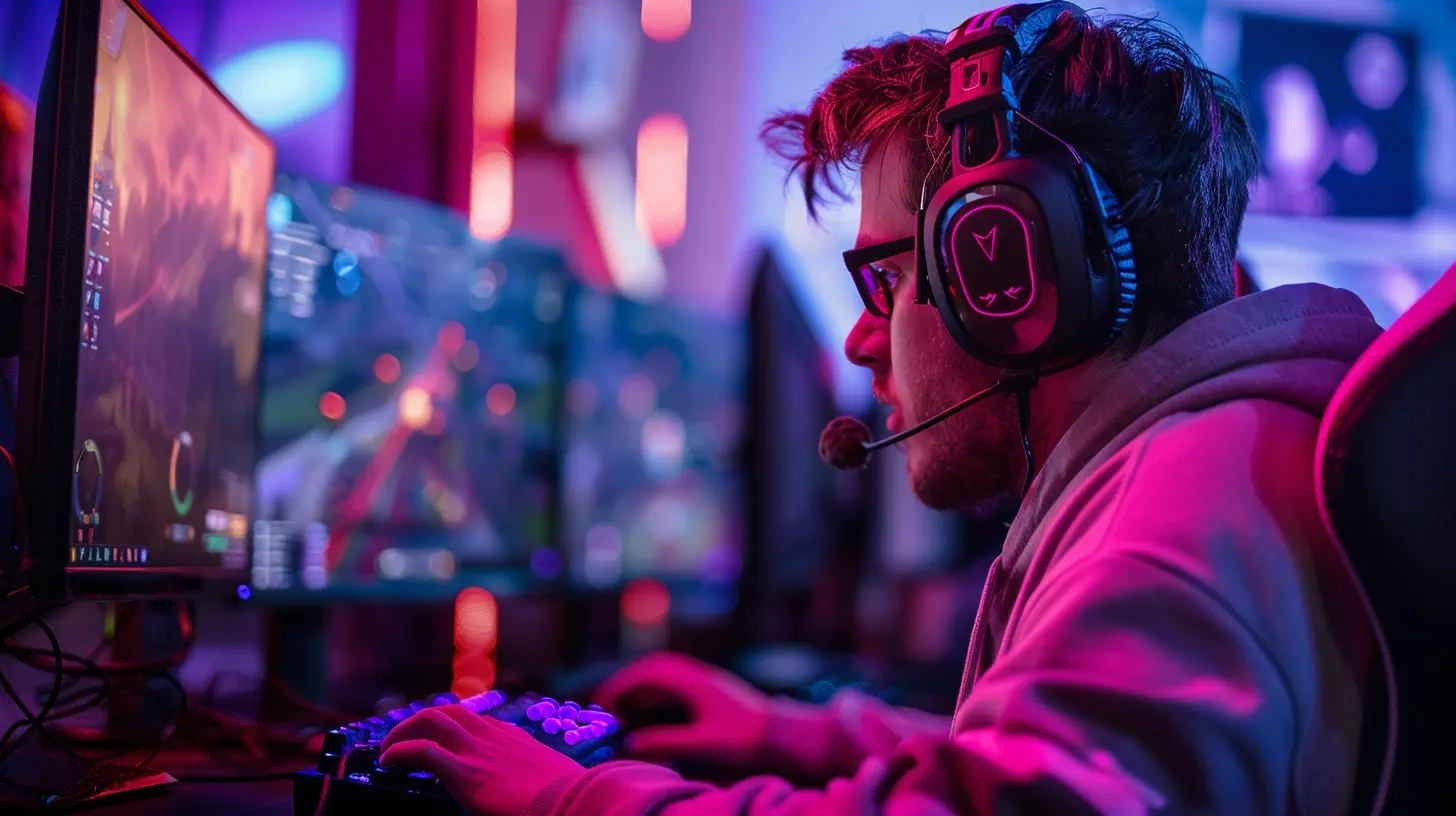
Step 2: Build a Consistent but Flexible Training Schedule
Here’s the pitfall: You decide to train like a pro and suddenly start gaming 10 hours a day. Spoiler alert: that’s not sustainable.Instead, create a structured schedule—but one that respects your mind and body.
Try this framework:
- 2–4 hours of focused practice daily (no distractions)
- 1–2 hours of review (watching replays, analyzing mistakes)
- Scheduled breaks and non-gaming time
- 1 day off per week (seriously, don’t skip this)
Consistency beats intensity. Think of your brain like a GPU—it performs better when it's not overheating.
Step 3: Treat Training Like an Athlete Would
Ever notice how top esports players talk about sleep, nutrition, and fitness just as much as actual gameplay? That’s not a coincidence.You’re an “e-athlete” now, and that means treating your body and brain with the care of a professional.
? Mental Fitness
- Meditation: Even 5–10 minutes a day helps reduce anxiety and improve focus.- Visualization: Before a match, imagine your plays, mindsets, and reactions.
- Resilience Training: Learn to bounce back from losses. Don’t tilt—adapt.
? Physical Fitness
- Stretching and ergonomics: Reduce muscle strain and injuries.- Light cardio and strength training: Boosts circulation and energy levels.
- Eye care: Follow the 20-20-20 rule—every 20 minutes, look at something 20 feet away for 20 seconds.
Pro tip: You can’t aim well if your wrist is screaming or if you’ve slept three hours in the last 48.
Step 4: Use the Right Tools and Analytics
Training like a pro means using more than just your instincts—you need data.Platforms like Aim Lab, KovaaK's, MOBA Tracker, and Tracker.gg help you spot patterns and weaknesses in your gameplay. It’s like having a coach highlight your blind spots.
Here’s how to make the most of tools:
- Track your stats weekly—not daily. Micro-analyzing every loss will drive you nuts.
- Record and review gameplay. You'll catch habits you didn't notice in the moment.
- Get feedback from higher-ranked players or coaches. Sometimes others see what you can’t.
Tech is your teammate. Use it wisely.
Step 5: Create a Healthy In-Game and Off-Game Ecosystem
The secret sauce of sustainable growth? Environment.Let’s start with your in-game environment:
- Mute toxicity. Avoid getting dragged into petty arguments.
- Play with a squad you trust. Communication and chemistry are game-changers.
- Set session limits. Know when to take a break. Don’t chase wins endlessly if you're tilted.
Now, your off-game environment:
- Have hobbies outside of gaming. Shocking, right? But essential.
- Make time for family/friends. Social life ≠ wasted time. It's recharge time.
- Create a clean, calming gaming space. Cluttered desk, cluttered mind.
A balanced lifestyle isn’t just fluff—it’s your oxygen mask on the esports journey.
Step 6: Control the Narrative in Your Head
Let’s get real for a second. The voices in your head? They can either be your coach or your worst trash talker.Stop saying stuff like:
- “I suck. I’m never going to make it.”
- “They’re just more talented than me.”
- “I have to grind 10 hours or I’ll fall behind.”
Flip the narrative:
- “I didn’t perform well today—what can I learn from that?”
- “Growth takes time. I’m making progress.”
- “Resting is part of training.”
Mental self-talk builds your inner game. And when that’s strong, you’re unstoppable.
Step 7: Burnout-Proof Your Progress
Even if you love gaming with all your heart, passion alone isn’t enough to keep you going when you're fried.Here’s your anti-burnout toolkit:
- Mix it up. Play a different game once a week. Different genres, different vibes.
- Game for fun, not just training. Yes, fun. Remember why you started gaming in the first place?
- Recognize early signs of burnout. If you’re cranky, sluggish, or avoiding your setup, it’s okay to take a step back.
- Talk to someone. Seriously. Mental health matters. Whether it’s a friend, mentor, or therapist—don’t keep it all bottled in.
Taking breaks doesn’t set you back. It protects everything you’ve built.
Bonus Pro Tips for Long-Term Success
Here’s a rapid-fire list of things pros swear by:- Sleep 7–9 hours a night. Every hour lost hurts reaction time.
- Hydrate like crazy. Your brain sucks without water.
- Eat clean when you can. Less sugar = more stamina.
- Limit caffeine. Don’t rely on energy drinks to stay sharp.
- Journal your progress. It helps your brain see growth, not just gaps.
You don’t need to be perfect—you need to be sustainable.
Final Thoughts: Train Smart, Not Just Hard
Training like a pro gamer doesn't mean sacrificing your mental health, physical well-being, or social life on the altar of ambition. The truth? The most successful players in the world aren’t just technically skilled—they’re mentally tough, physically balanced, and laser-focused on long-term growth.You’re not a gaming robot. You’re a high-performance human.
So go ahead—train with intention, rest with purpose, and build a career that’s not just epic… but sustainable.
Remember, the goal isn’t just to win one game—it’s to still love the game 10 years from now.
Game on.
all images in this post were generated using AI tools
Category:
Gaming SkillsAuthor:

Kaitlyn Pace
Discussion
rate this article
1 comments
Josie McVaney
So you wanna game like a pro without frying your brain? Focus, balance, and rest are key. Remember, even the best need downtime. Hustle smart, not hard. Let's keep those skills sharp and the fun alive!
September 17, 2026 at 2:40 AM