How to Improve Reaction Time for Competitive Gaming
22 May 2026
So, you're tired of getting sniped, outplayed, or — let's be real — absolutely smoked in your favorite competitive games? Whether it's Valorant, CS:GO, Fortnite, or whatever the flavor of the month is, if you feel like your enemies are psychic ninjas and you're a sleepy sloth playing with oven mitts, then buckle up. This one's for you.
Let's dive into the wonderful (and slightly frustrating) world of improving your reaction time for competitive gaming. And yes, it involves more than just chugging energy drinks and hoping for divine intervention.
What Is Reaction Time Anyway?
Alright, let's not get too science-y here, but reaction time is basically the speed at which your brain notices something and tells your body to do something useful about it. Like when you see an opponent peek a corner and your brain says, "Shoot now!" but your finger says, "Hold up, I'm still processing what I had for breakfast."In gaming, even a delay of 0.1 seconds can mean the difference between glorious victory and a rage-quit-inducing defeat. It's a game of milliseconds, and if you're serious about climbing that ranked ladder, it's time to treat your reaction speed like the vital stat it is.
Why Your Reaction Time Might Suck
Before we get to the "how-to" part, let’s address the painfully obvious: you might have the reaction time of a potato. Don’t worry—you’re not alone. Here are some culprits:- Lack of sleep – If you’re pulling all-nighters and surviving on caffeine fumes, your brain’s going to be as responsive as a dial-up modem.
- Poor diet – Living off chips and soda might feel gamer-core, but your neurons need real fuel.
- Bad posture and ergonomics – Sitting like a shrimp over your desk isn’t doing you any favors.
- You're just not practicing the right way – Playing more doesn’t always mean playing smart. Sorry.
Now that we’ve called you out, let’s fix it. ?
? Train Your Brain Like a Pro Gamer
Let’s start with the control center of your body: your glorious noggin.1. Play Reaction-Based Mini Games
There are actual games (yes, games to help you game better) dedicated to sharpening your reaction time. Tools like Aim Lab and Kovaak’s FPS Aim Trainer are the gym for your gamer reflexes. Think of them as your esports dumbbells.These programs track your progress down to milliseconds and can target your flick shots, tracking, and target switching. Suddenly, “training” sounds kinda fun, huh?
2. Flash Reflex Training Apps
There are mobile apps like Reaction Time Test, Human Benchmark, and other glorified stopwatch simulators that are weirdly addictive. Tap the screen the second you see a change. That’s it. But guess what? You’re subtly turning your brain into a lightning-fast input/output machine.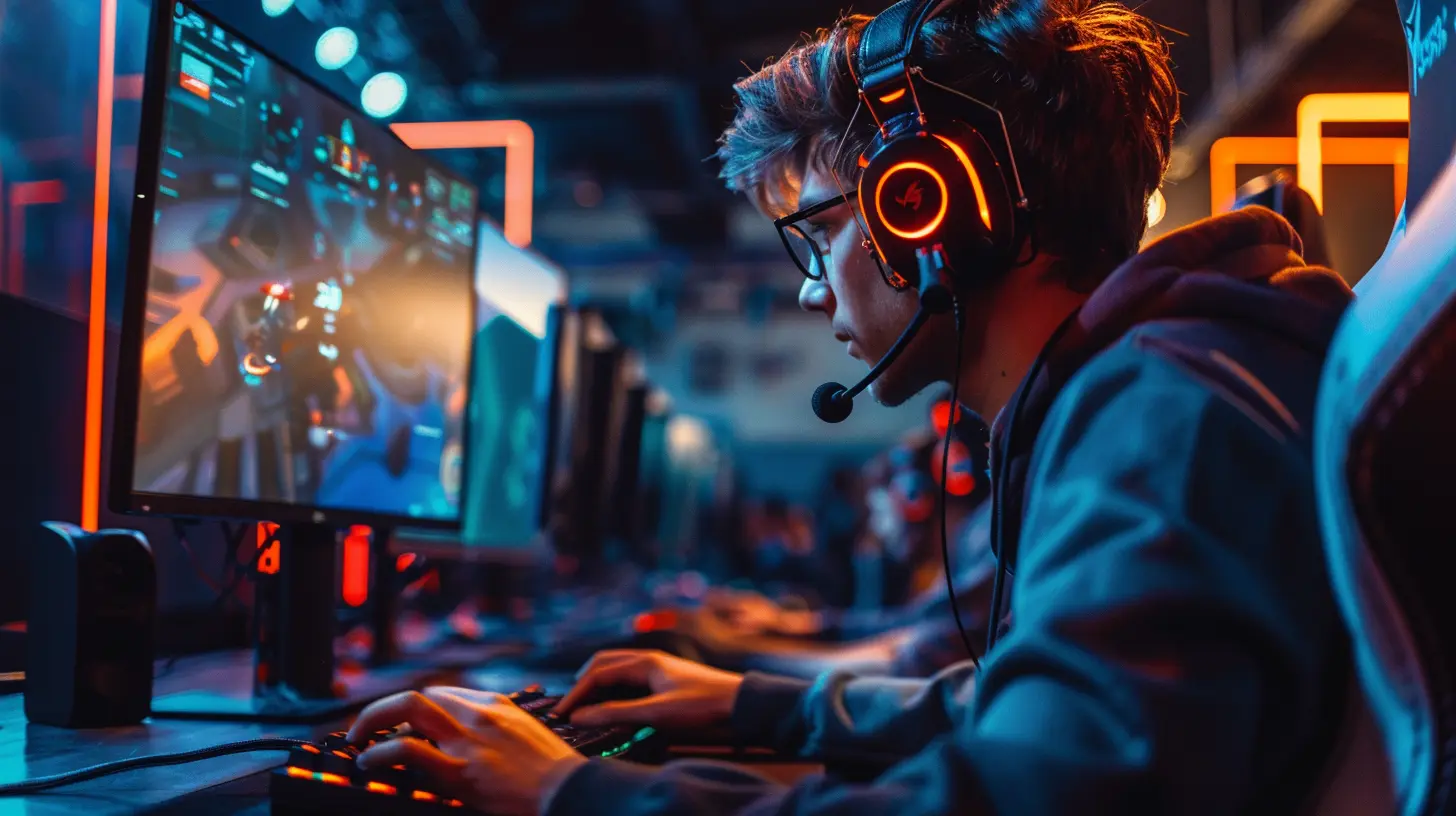
?️♂️ Improve Physical Response Time
Gaming isn’t just mental. Your fingers need to move fast too. Like, really fast. Think hummingbird-wings-meets-Sonic levels of fast.3. Work on Hand-Eye Coordination
Ah yes, the ol’ eye-ball-to-finger-nerve connection. Play sports, juggle, try out rhythm-based games like OSU! or even Beat Saber if you’re rich enough to afford a VR setup. Anything that forces your eyes and hands to work together in chaotic harmony.4. Finger Dexterity and Speed Drills
Yes, finger workouts are a thing. Flex those digits with exercises like rapid key tapping, finger stretches, and switching between mouse buttons like you’re trying to send a Morse code from the trench of a digital warzone. You can even try mechanical keyboard speed tests. Warning: may result in ego bruising.? Optimize Your Body For Peak Performance
You didn’t think you could GameFuel your way to Grandmaster, did you? Sadly, your body isn’t just a meat casing for your brain—you’ve gotta take care of the whole system.5. Sleep Like You Mean It
You know how your reactions are after two hours of sleep? Yeah, you may as well play blindfolded. Your brain needs sleep to function at superhero levels. Prioritize 7-9 hours every night. Trust me, your K/D ratio will thank you.6. Stay Hydrated and Eat Brain-Boosting Foods
That means water, not soda that could dissolve rust. Dehydration affects focus faster than a sniper in Warzone. And those leafy greens, omega-3-rich fishes, nuts, and berries? They're not just for squirrels; they're gamer fuel of the elite kind.?️ Upgrade Your Gear (Yeah, It Matters)
Let’s not pretend your $10 office mouse is pulling its weight. Gear doesn’t make the gamer, but it sure greases the wheels.7. Use a High-Refresh-Rate Monitor
If you’re stuck on a 60Hz monitor, welcome to 2010. A 144Hz or 240Hz monitor can shave literal milliseconds off your reaction time because things appear faster and smoother, and your brain doesn’t have to guess what’s moving.8. Lower Your Input Lag and Adjust Sensitivity
Even the best reaction time means nothing if your input lag is higher than your ping in an Australian server. Lower your mouse latency, tweak your DPI settings, and adjust your in-game sensitivity for buttery precision.Bonus Tip: Turn off motion blur. You're not in a Michael Bay movie.
? Improve Focus and Mental Clarity
Reaction time is as much about attention as it is about muscle speed. If your brain’s wandering off mid-game or you're more distracted than a cat near a laser pointer, your reaction speed’s gonna suffer.9. Practice Mindfulness (I Know, Sounds Corny)
Meditation, deep breathing, or even just closing your eyes for a few moments between matches can help reset your focus. You don’t need to go full zen monk, just give your brain a chance to chill so it doesn’t fry.10. Take Breaks and Don’t Fry Your Circuits
Ever noticed how your gameplay gets worse after three straight hours of grinding ranked? That’s your brain waving the white flag. Short breaks between sessions help keep your reaction time snappy instead of sluggish.? Practice (But… Like, Smartly)
Repetition is the mother of skill. But spamming games without strategy is like going to the gym and just lifting random stuff hoping to get buff.11. Warm-Up Before Jumping Into Ranked
Do you think pro athletes roll out of bed, step onto the field, and crush it? Not a chance. Same principle here. Spend 10-15 minutes warming up in aim trainers, deathmatches, or training maps before you go ruin someone’s day in ranked.12. Analyze Your Gameplay
Record your sessions. Watch them back. Cringe at your mistakes. And then fix them. Knowing when you hesitated or missed a shot can help you react faster next time. It’s kind of like watching game film… only more embarrassing.? Bonus: Lifestyle Changes for Long-Term Gains
We’re in this for the long haul, right? Here are some extra pro-tips that'll stack the deck in your favor over time.13. Cut Back on Caffeine and Sugar
I can hear your heart shattering. But hear me out. That jolt you feel isn’t sustainable, and the crash afterward is brutal. A balanced diet > Red Bull highs.14. Try Nootropics (If You’re Into That Sort of Thing)
These are brain-boosting supplements like L-Theanine, Omega-3s, and B vitamins. Don’t expect instant superpowers, but over time they can help with memory, focus, and yes—reaction time.? Wrapping It Up — TL;DR for the Chronically Impatient
Improving reaction time for competitive gaming isn’t about finding the golden controller or praying to the RNG gods. It's about training your brain, taking care of your body, upgrading your setup, and actually playing with intention. Sure, you might still lose to that 12-year-old with godlike reflexes and a weird gamertag, but with time, dedication, and maybe less sugar, you’ll start turning heads (and matches) in your favor.So unplug that dusty aim trainer, drink some water, stretch those fingers, and go smack that reaction time into shape. Your future MVP self will high-five you for it—at lightning speed, obviously.
all images in this post were generated using AI tools
Category:
Gaming SkillsAuthor:

Kaitlyn Pace
Discussion
rate this article
2 comments
Nancy Nguyen
Great tips! I've been looking for ways to sharpen my reaction time. Can't wait to try these out and see how it affects my gameplay... thanks!
July 3, 2026 at 4:24 AM
Kaitlyn Pace
Thanks for your comment! I'm glad you found the tips helpful. Looking forward to hearing how they work out for your gameplay!
Esme Stevens
If only I could improve my reaction time as fast as I can react to the snack drawer... I'd be a gaming champion in no time!
May 24, 2026 at 3:43 AM
Kaitlyn Pace
Haha, the snack drawer is a tough competitor! Being quick on the snacks is a great start-now just channel that speed into practice. You've got this!