How Game Consoles Are Designed for Social Gaming
14 June 2026
Gaming isn't just about beating levels or collecting achievements anymore. It’s about connection—laughing with friends, working together as a team, or even trash-talking your rivals (in good spirit, of course). That’s where social gaming comes into play. And guess what? Game consoles have evolved big time to make that happen. Today’s consoles aren’t just machines that play games—they’re social hubs. Let’s dive into how game consoles are designed with social gaming at their core.
What Exactly Is Social Gaming?
Before we talk design, let’s clarify what social gaming actually means.Social gaming isn’t just about games that you play with friends; it’s about games that are meant to be shared. Whether you’re playing online with strangers, teaming up locally with your sibling, or streaming your gameplay to the world—if it connects people through games, it's social gaming.
Think of it like a multiplayer game night but taken digital and global. And trust me, console makers have caught onto the trend—and they’re doubling down.
The Evolution of Consoles: From Solo to Social
Let’s rewind a bit. Remember the old school consoles like the Atari 2600 or the NES? They were mostly built for solo players or maybe two-player split screen action. Fast forward to the latest generations—PlayStation 5, Xbox Series X, Nintendo Switch—and they’re basically social machines.Why the shift? Easy answer: gamers wanted more interaction. So console developers started baking social features right into the hardware and software.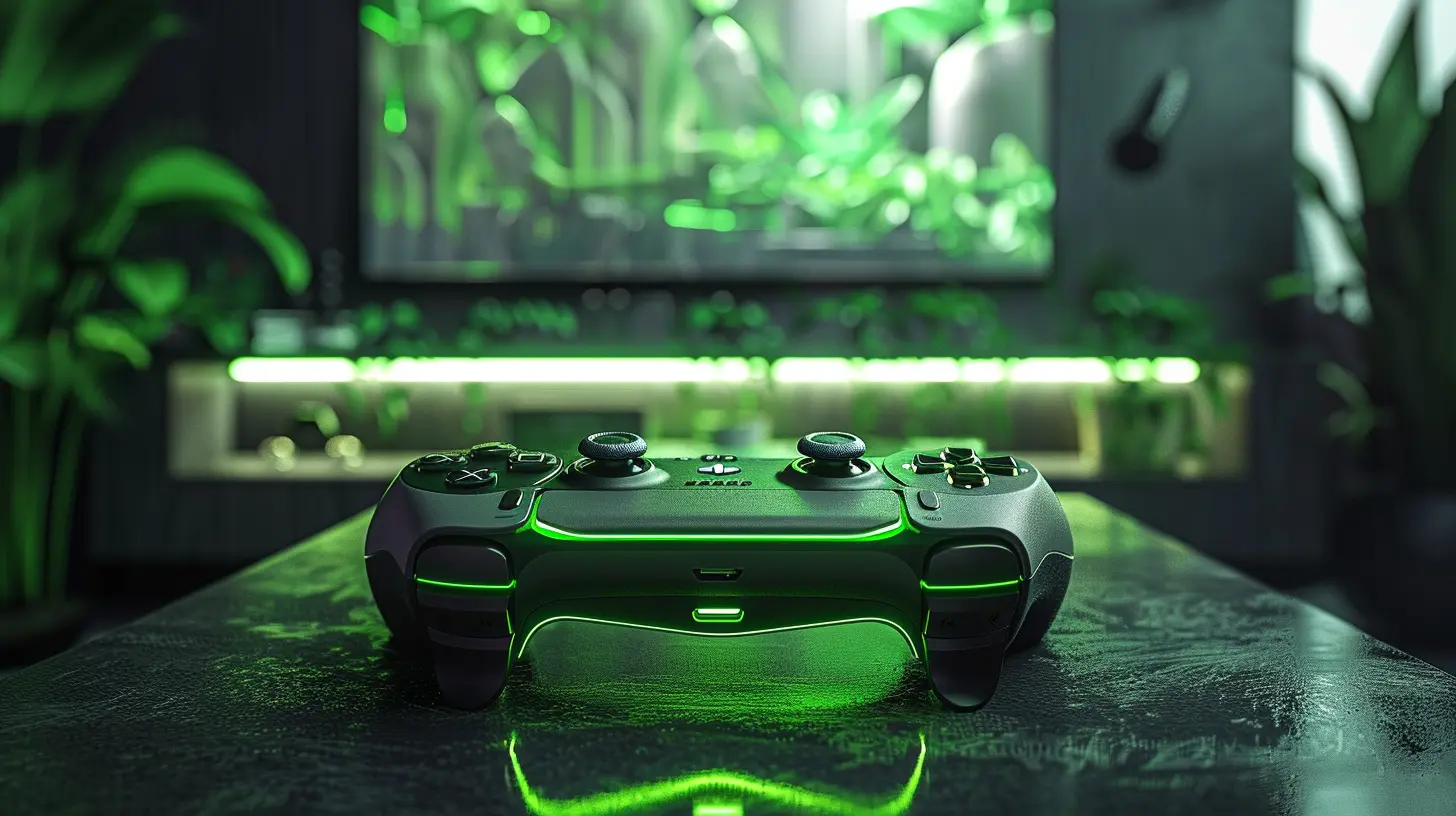
Built-In Social Features You Didn’t Know You Needed
When you fire up a modern console today, you’re greeted with more than just a game menu. You've got friends lists, activity feeds, party chats, and more. Let’s break down some key features that scream "social."1. Friends Lists & Online Status
Ever logged into your console and saw your friend was playing the same game? You probably joined them in an instant.Every modern console supports friends lists, so you can see who’s online, what they’re playing, and invite them to co-op or competitive games with just a click.
2. Party & Voice Chat Integration
This one’s a game-changer—pun intended.No more awkward Skype calls or juggling Discord on your phone. Today’s consoles offer seamless party and voice chat features, letting you talk to friends while playing, no matter what game you’re on.
It’s not just practical—it’s part of the fun. It makes multiplayer feel personal.
3. Game Streaming and Sharing
Press a button. Boom. Your game is recording, or better yet, streaming live to Twitch or YouTube.PlayStation's “Share” button, Xbox’s Game DVR, and even the Switch’s capture button make it super easy to show your epic moments to the world. It turns players into content creators instantly.
And guess what? That’s social gaming too. Watching someone play, commenting on their strategy, cheering them on... it’s all part of the experience.
Local Multiplayer Still Has a Place
While online features are the shiny new thing, console makers haven’t forgotten old-school couch co-op.Nintendo, for example, has practically made local multiplayer its brand. The Switch’s Joy-Cons can be split for instant two-player gaming. Titles like Mario Kart, Super Smash Bros., and Overcooked keep the local multiplayer spirit alive and thriving.
Because let’s be real—sometimes, nothing beats yelling at your friend sitting next to you when they sabotage your game.
UI/UX Design that Encourages Interaction
The way a console's interface is designed plays a huge role in making social gaming intuitive.Navigation That Connects
Modern consoles make it ridiculously easy to connect with friends. You can invite people to your game session directly from the pause menu or even mid-game. The option is always just a few clicks away—because devs know that if it’s buried in menus, people won’t use it.Game Recommendations & Activity Feeds
Have you noticed how your console tells you what your friends have been playing lately? Or shows you their achievements and clips?It’s not just for fun—it’s a subtle push to join in. It's like when your friend posts a photo at a great restaurant and suddenly you want to eat there too. Same concept, but for games.
Game Developers Partnering with Console Makers
Console design isn’t just about hardware. Game developers and console makers work hand-in-hand to ensure social features are embedded right into the games themselves.Crossplay & Cross-Platform Chat
Remember when owning the same console was a must to play with your friends? That wall’s coming down.Thanks to crossplay, you can play Fortnite on your Switch while your friend uses a PlayStation or Xbox. And with cross-platform chat becoming more common, your console doesn’t limit your social circle anymore.
That kind of interoperability is a HUGE win for social gaming—and consoles are making it happen.
Community-Driven Features
Consoles now come with features that foster a sense of community, even beyond gaming.Clubs, Groups, & Multiplayer Lobbies
Xbox, for example, has its "Clubs" feature, letting players join communities based on interests or favorite games. PlayStation has similar community tools, and some games even create in-game lobbies that mimic old-school chat rooms.Starting to feel like a gaming-themed social network, right?
Events and Tournaments
It’s not just casual play anymore. Consoles now support digital events and tournaments. You can sign up, participate, and watch matches all from your living room.It brings esports vibes to average players—not just the pros.
The Role of Avatars and Virtual Spaces
This is where things get futuristic.Remember PlayStation Home (RIP)? Or Nintendo’s Miiverse? They weren’t just gimmicks—they were early attempts at creating virtual social spaces within a console.
Even now, Xbox Avatars and PlayStation Profiles offer ways to express personality and interact. As virtual reality and the metaverse evolve, expect consoles to lean further into this space, where hanging out in a virtual room could be just as common as playing games in it.
Parental Controls and Social Safety
Social gaming is fantastic, but let's not sugarcoat it—safety matters. Console makers are stepping it up here too.You’ll find advanced parental controls, friend request filters, content restrictions, and even AI-driven moderation in chats. It’s all about creating safe social spaces for younger players without ruining the fun.
Because nobody wants their 10-year-old hearing words they shouldn't just because it’s "online."
The Future of Social Gaming on Consoles
So where are things heading?Honestly—bigger, better, and more immersive. With faster connections, better graphics, and smarter AIs, social gaming is only going to get more integrated.
We’re talking:
- VR hangouts in real time
- AI-generated companions and moderators
- Deep integration with social media platforms
- Real-time translation so you can play with someone halfway across the world and still communicate
And consoles will continue to be the heart of it all.
Final Thoughts: More Than Just Games
Game consoles have come a long way from being solitary entertainment boxes. Today, they are social powerhouses—built specifically to bring people together through the joy of play.From slick UIs and built-in streaming tools to deep integration with friend systems and clubs, everything about modern consoles screams one goal: connect people. It’s not just about playing—it’s about sharing, laughing, and building memories together.
So next time you fire up your console, don’t just think about what you’ll play. Think about who you’ll play with—and how your console is the magical bridge that makes it all possible.
all images in this post were generated using AI tools
Category:
Game ConsolesAuthor:

Kaitlyn Pace
Discussion
rate this article
2 comments
Aaron Webster
Great insights on the evolution of game consoles for social gaming. It's fascinating to see how design choices enhance the multiplayer experience, making it more engaging and inviting. The emphasis on connectivity and community really shows how important social interaction is in today's gaming landscape. Looking forward to more discussions on this topic!
September 1, 2026 at 4:31 AM
Kaitlyn Pace
Thanks for your thoughts! It's exciting to see how design shapes social gaming. I appreciate your enthusiasm for future discussions.
Brooks Alvarez
Game consoles are not just machines; they are social hubs. The design choices reflect a deep understanding of how we connect. From intuitive interfaces to online features, each element invites players to engage, share, and create memories together. The future of gaming is all about community.
June 15, 2026 at 3:33 PM
Kaitlyn Pace
Absolutely. The design of game consoles truly enhances social interactions, making every gaming session a chance to bond and share experiences. Community is at the heart of gaming's future.