How Game Consoles Are Competing with Mobile Games
14 July 2026
Let’s face it—mobile games are everywhere. All it takes is a quick download, and boom, you're racing cars or slaying dragons while waiting for your coffee. With smartphones in every pocket, mobile games have quickly become the go-to for casual gaming. But hey, don’t count out traditional game consoles just yet. They're not backing down. In fact, they're stepping up their game—literally.
So, how are game consoles competing with mobile games in today's fast-paced, tap-and-swipe gaming landscape? Let's dive deep into the world of pixels, thumbsticks, and touchscreen warfare.
The Rise of Mobile Gaming: A Quick Snapshot
Before we get into the console side of things, let’s give credit where it's due.Mobile gaming exploded for a reason—it’s super convenient. Games like Clash of Clans, PUBG Mobile, and Candy Crush have grabbed the attention of millions. They're free-to-play (mostly), easy to pick up, and don’t need a pile of hardware to get started. Add in microtransactions and social features, and you’ve got a perfect recipe for non-stop entertainment.
Plus, mobile hardware is getting beefier. Newer smartphones now sport processors that can rival laptops from just a few years ago. That's wild, right?
But even with all that, console gaming still isn’t going down without a fight.
Power vs. Portability – The Classic Showdown
Here’s the thing: mobile games win big on portability. You can play from your bed, the bus, or even in the bathroom (don’t lie—we've all done it). But when it comes to raw power and immersive experiences, consoles still dominate.Think 4K graphics, ray tracing, and 3D audio. These are things you just can’t replicate on a phone screen. Consoles like the PlayStation 5 and Xbox Series X aren’t just gaming machines—they’re home entertainment beasts.
So, how are they turning the portability weakness into a strength? Let's talk about that next.
The Move Toward Cloud Gaming
This is where the line between consoles and mobile starts to blur.Services like Xbox Cloud Gaming (xCloud) and PlayStation Remote Play are changing the rules. Got a phone? Now you’ve basically got a console in your pocket. These services let you stream full console games to your mobile device in real-time.
Think about it—playing Halo Infinite on your phone while chilling at the park? That’s next-level stuff. Game consoles are now tapping into mobility, and it’s leveling the playing field.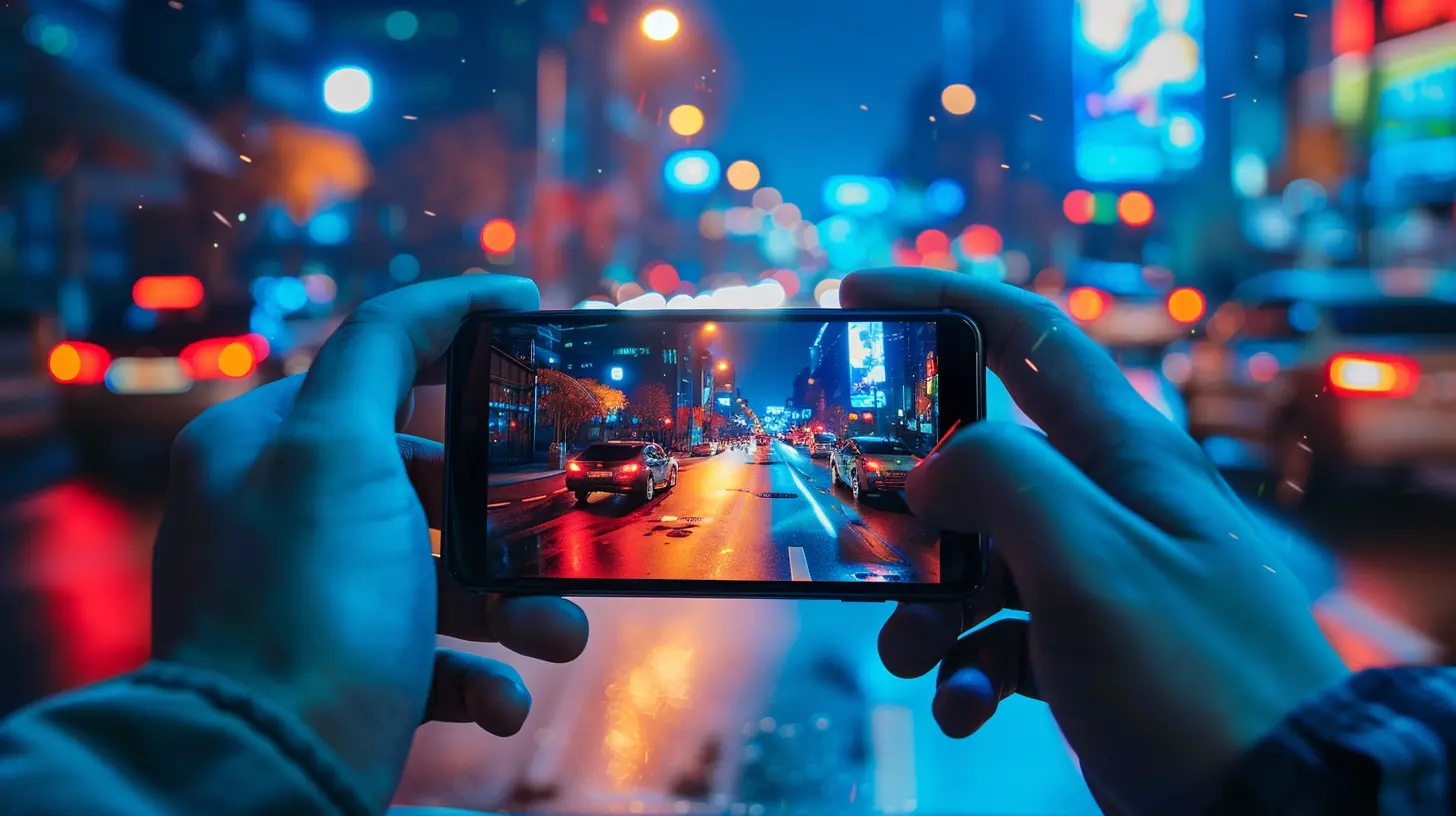
Subscription Models – A New Battlefield
Remember when you had to pay $60 for every new game? Yeah, consoles are ditching that model. Welcome to the age of game subscriptions.- Xbox Game Pass offers a Netflix-style library of hundreds of games, all for one low monthly fee.
- PlayStation Plus is getting more aggressive too, with tiers that give access to classic titles and new releases alike.
- Even Nintendo Switch Online is throwing in retro goodies to sweeten the deal.
These subscription services are console gaming’s answer to mobile's free-to-play dominance. Sure, mobile games are often free—but those in-game purchases can seriously add up. Subscriptions offer tons of value up front, often including brand-new AAA games on day one.
Cross-Play and Cross-Save – Breaking Barriers
Gamers don’t want to be locked into one system anymore. And consoles are finally listening.Cross-play means you can play a multiplayer game on your Xbox while your buddy is on their PC or even a smartphone. It’s happening with games like Fortnite, Minecraft, and Call of Duty: Warzone.
Cross-save lets you pick up right where you left off on another device. Start playing The Witcher 3 on your console, then continue on your gaming laptop. This is a major win, especially for gamers who love flexibility but crave console-quality experiences.
Exclusive Titles – Console's Trump Card
Let’s not kid ourselves—mobile games are mostly made to kill time. But console exclusives? These are straight-up storytelling masterpieces.Games like:
- The Last of Us
- God of War
- Spider-Man: Miles Morales
- Halo Infinite
These aren’t just games—they’re cinematic, emotionally driven experiences that you can sink dozens of hours into. It’s like comparing a popcorn commercial to a full-blown movie. Consoles still hold the edge when it comes to depth, narrative, and world-building.
Mobile games might be fun, but they rarely have the emotional pull or production value of blockbuster console exclusives.
Social Gaming – It's Not Just for Phones Anymore
Mobile games cash in big by being social—connecting to Facebook, joining clans, sharing scores. It’s addictive.But guess what? Consoles are catching up fast.
Voice chat, game streaming (hello, Twitch), and built-in sharing tools make console gaming more social than ever. Some games even encourage collaboration and community experiences, like Destiny 2 or Fall Guys.
And with Discord integration coming to consoles? Yeah, that’s a game-changer (literally).
Evolving Hardware – The Innovation Never Stops
Mobile phones refresh every year, so you’d think consoles would fall behind. But they’re smarter now.Take the Nintendo Switch—part handheld, part console. It taps right into the mobile game appeal while offering console-level gaming. Genius, right?
Sony and Microsoft are also rolling out mid-generation hardware updates to keep up, like the PS5 Slim or the rumored new-gen Xbox Series X refresh. Plus, there’s talk of modular upgrades down the line.
So instead of replacing your console every seven years, you might just upgrade parts. That’s more like a PC model, and it shows how consoles are adapting to stay ahead.
Performance and Graphics – Still the Gold Standard
Sure, your phone’s graphics are good. But consoles? They’re stunning.Gaming consoles still offer superior frame rates, high-resolution visuals, and technical effects you won’t see on mobile. If you play Red Dead Redemption 2 on a PS5, then try anything on mobile—it’s night and day.
And let’s not forget about haptic feedback, adaptive triggers, and 3D audio. These tactile features bring players deeper into the game world. Good luck getting that from a flat glass screen.
Community and Culture Built-In
Console gaming has a vibe. There’s something about sitting down, controller in hand, and diving into the latest big release with your online squad. It’s not just gaming—it’s an event.Console exclusives often drive pop culture convos. Think about how Elden Ring or God of War Ragnarok dominated Reddit for weeks. Mobile games? Not so much.
That sense of occasion gives consoles a cultural cachet that’s hard to replicate on mobile devices.
Who’s Winning? That Depends on What You Want
At the end of the day, there’s room for both. Consoles and mobile games serve different experiences, and gamers are demanding more from both.Want to kill five minutes while waiting for a burrito? Mobile’s your buddy.
Want to disappear into a 100-hour fantasy epic with jaw-dropping visuals and a controller that rumbles when you get hit? Console has your back.
But here’s the twist—consoles are now borrowing some of the best parts of mobile gaming (like portability and cloud access), while mobile games are slowly trying to amp up complexity and depth.
So really, who’s winning? We are. Gamers. Because we have more choices, better tech, and more ways to play than ever before.
The Future: Hybrid Gaming and Total Convergence
Looking ahead, the line will blur even more. Expect more hybrid devices like the Steam Deck or future Nintendo successors.Console manufacturers will likely lean harder into cloud-based ecosystems, letting you pick up and play games wherever, whenever—on your phone, console, laptop, or even TV without any hardware.
It’s less about where you play, and more about what you play.
That’s where the future is headed.
Final Thoughts
Game consoles are evolving fast to stay relevant in a mobile-dominated landscape. They’re combining power with portability, exclusives with cross-platform features, and immersion with accessibility.Are mobile games still leading in terms of reach and convenience? Absolutely. But consoles are bringing more to the table than ever—and they’re not just surviving; they’re thriving.
So whether you’re a casual swiper or a hardcore controller warrior, one thing’s for sure: gaming has never been this exciting.
all images in this post were generated using AI tools
Category:
Game ConsolesAuthor:

Kaitlyn Pace
Discussion
rate this article
2 comments
Maura McDowell
Great insights! It's fascinating to see how game consoles are adapting to the mobile market. The competition is pushing innovation, which ultimately benefits gamers. Exciting times ahead for all of us!
October 12, 2026 at 3:13 AM
Naya Patterson
Game consoles offer a unique gaming experience that mobile can't match, but mobile's convenience and growing library make it a tough competitor.
July 19, 2026 at 4:42 AM
Kaitlyn Pace
You make a great point. While consoles deliver depth and immersion, mobile's accessibility and expanding game selection definitely raise the stakes in this competition.