How Game Consoles Are Adapting to Streaming
29 June 2026
Remember the good old days when gaming meant popping in a cartridge, turning the TV dial to channel 3, and blowing into the game just to make it work? Yeah, same here. But those days are long gone, and now we’re living in an era where streaming reigns supreme.
Streaming has completely flipped the script, not just for movies and music but for gaming too. With faster internet speeds, cloud technology, and a growing appetite for on-demand entertainment, game consoles have had no choice but to evolve. And boy, are they doing it in style.
In this article, we're going to dig deep into how game consoles are adapting to streaming, what it means for us as gamers, and why the future looks pretty darn exciting.
The Streaming Revolution Hits Gaming
Let’s be real—streaming isn't exactly new. We've been streaming movies on Netflix, music on Spotify, and even live sports for years now. But gaming? That’s a whole different beast.Streaming games means you're not downloading huge files or needing physical media. Instead, the game is played on a remote server and streamed to your console in real-time. Kind of like how Netflix works, but for interactive content.
This shift changes everything: from how games are delivered to how game consoles function. And guess what? The big names—Sony, Microsoft, and even Nintendo—are not sitting this one out.
Why Streaming Is Changing the Game (Pun Intended)
Here's the deal: streaming brings some serious perks to the table, both for players and developers.- Instant Access: No more waiting hours for a download to finish. You can start playing almost immediately.
- Play Anywhere: With cloud gaming, your console isn't bound to your living room. Play on your tablet, laptop, or even your phone.
- No Storage Stress: Forget running out of hard drive space. Games live in the cloud.
- Lower Entry Barrier: You don’t need the latest hardware to enjoy cutting-edge games.
Now, who wouldn’t want all that?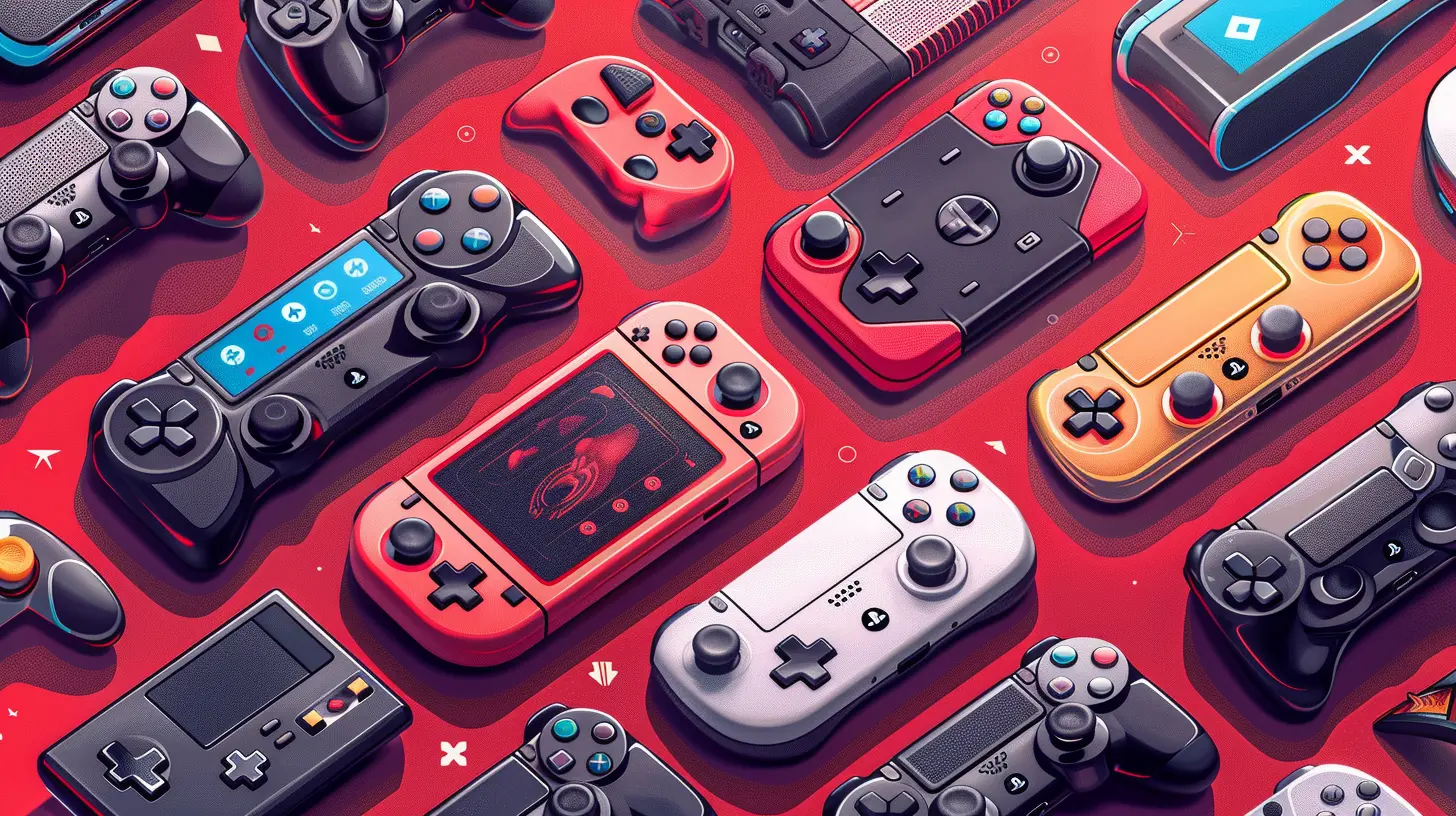
Microsoft: Leading the Charge with Xbox Cloud Gaming
When we talk about game consoles embracing streaming, Microsoft deserves a gold star. Their Xbox Cloud Gaming (previously Project xCloud) is a front-runner in this space.What Is Xbox Cloud Gaming?
In simple terms, it’s Microsoft’s way of saying “play Xbox games without an Xbox.” It runs on Azure cloud servers and lets players enjoy big titles on their phones, tablets, and even low-end PCs.How Xbox Consoles Are Changing
- Integration with Game Pass: Xbox Game Pass Ultimate includes cloud gaming, making it dead simple to jump between console and mobile.- Streaming from Console: You can stream games from your own Xbox to your phone using Remote Play.
- No More Generational Barriers: Cloud gaming is helping Microsoft break down the generational wall between Xbox One and the Series X|S. It’s like getting a next-gen upgrade without upgrading your console.
Microsoft isn’t just dipping its toes in the water—they’re diving headfirst into the stream.
Sony’s Approach: Slow but Steady
Sony took a slightly different approach. While they weren’t the first to the game, they're catching up with some clever moves.PlayStation Now Becomes Part of PS Plus
PlayStation Now used to be Sony’s dedicated cloud gaming service. But in 2022, it got rolled into the all-new PlayStation Plus, creating tiers that include streaming for hundreds of PS3 and PS4 titles.What's the Game Plan?
- Hybrid Cloud Utilization: Sony’s leveraging its own infrastructure along with partnerships. Rumor has it, they’ve even teamed up with Microsoft to tap into Azure tech.- Console-Quality Streaming: With the new focus on streaming through PS Plus, Sony aims to provide console-level performance without the console baggage.
- Remote Play Boosted: Like Microsoft, Sony also allows Remote Play, turning your PS5 into a streaming hub for your other devices.
Okay, so they’re not moving at lightning speed—but they’re definitely moving.
Nintendo: Staying Classic, Yet Curious
Now, let’s talk about the wild card—Nintendo. Known for doing things their own quirky way, they’ve approached streaming a bit cautiously.Cloud Gaming on the Switch?
Yes, it’s a thing. But it's not widespread. Nintendo offers cloud versions of select titles like Control, Hitman 3, and Resident Evil Village for Switch users.So far, it’s more of a workaround to make high-performance games run on the relatively modest Switch hardware.
Why So Cautious?
Well, Nintendo’s focus remains on local play and innovative hardware (hello, Joy-Cons!). They value control over the player experience, and streaming can get sketchy with latency and internet issues.Still, you’ve got to give them credit—they're testing the waters.
Cloud-Based Services and the Console Race
Let’s hit pause for a second and look at the bigger picture. It’s not just about consoles anymore—it’s ecosystems.Game Pass vs. PS Plus vs. Nintendo Online
All three major platforms now offer some form of subscription service that blends traditional downloads with streaming options. Here's what that means:- Microsoft’s Game Pass Ultimate: Probably the most well-rounded. Console streaming, PC access, and a huge game library.
- Sony’s PlayStation Plus Premium: Offers retro game streaming, cloud saves, and high-tier access.
- Nintendo Switch Online + Expansion Pack: Focuses more on classic titles and online play, with a pinch of streaming.
Each is carving its own path. But one thing's for sure—cloud capabilities are now a must-have, not a nice-to-have.
The Role of 5G and Faster Internet
Streaming only works if your internet can keep up. That’s why the rise of 5G and faster broadband is such a game-changer (pun still totally intended).With low latency and higher bandwidth, consoles can now confidently push cloud-based experiences without being bogged down by lag or drops in quality. It’s like giving consoles wings—now they can fly, metaphorically speaking.
What This Means for Gamers (Yes, You!)
Alright, let’s bring it home. How does all this techie stuff impact you, the gamer?Pros:
- No More Waiting: Jump into games the moment you hit “play.”- Play Anywhere: Your console library goes where you go.
- Try Before You Buy: Streaming lets you test games without downloading gigabytes worth of data.
- More Options, More Freedom: Whether you want to go old-school or try something new, there’s a way to play that fits your vibe.
Cons:
- Internet Reliability: If your connection isn’t solid, streaming can be frustrating.- Game Ownership Questions: Are you really owning the game, or just renting access?
- Input Lag: For some games (especially competitive ones), even slight lag can ruin the experience.
But honestly? The pros are outweighing the cons more and more.
The Future of Consoles: Are They Even Consoles Anymore?
Here’s a fun thought: what if the “console” of the future isn’t a box at all?Companies are already experimenting with dongles, apps on smart TVs, and controller-based systems that stream games directly from the cloud. No hardware, no hassle.
So, while today’s Xbox and PlayStation still come in boxes, the future might just live inside your smart fridge. Okay, maybe not that far—but you get the idea.
So, Are Consoles Dying? Not Quite.
Consoles aren’t disappearing—they’re transforming. They’re becoming more like gateways than destinations. Instead of being the only way to play, they’re now one of many ways to experience games.Streaming is shaping this new era, and game consoles are evolving right alongside it—smartly, incrementally, and with us in mind.
This isn’t the death of consoles. It’s the rebirth.
Final Thoughts
Streaming isn’t just another trend—it’s the new normal. And the way game consoles are adapting shows just how serious the industry is about the future.Whether you're a die-hard PlayStation fan, a loyal Xbox warrior, or a casual Nintendo Switch player, one thing’s clear: your console is becoming more powerful, more flexible, and more connected than ever before.
And the coolest part? We’re just getting started.
So next time you fire up your console, remember—you’re not just playing a game. You’re tapping into a whole new world of possibilities.
all images in this post were generated using AI tools
Category:
Game ConsolesAuthor:

Kaitlyn Pace
Discussion
rate this article
2 comments
June McKibben
Game consoles are finally stepping up to the streaming game, and it's about time. With players demanding flexibility, the shift to integrated streaming features is a game changer. This isn't just an upgrade; it's the future, and it's here now.
September 27, 2026 at 3:41 AM
Rex McAleer
Exciting changes ahead as consoles embrace streaming. Innovation is reshaping gaming experiences!
June 30, 2026 at 4:23 PM
Kaitlyn Pace
Absolutely! The shift to streaming is opening up new possibilities for gamers and developers alike. Exciting times ahead!