How Backward Compatibility Is Reshaping Console Gaming
7 September 2026
Ah, backward compatibility. Otherwise known as the unsung hero of the gaming world—like that one friend who always brings snacks to game night but never brags about it. You might not always notice it, but when it’s gone? Oh boy, you feel it like a boss battle without a save point.
Let's dive headfirst into how backward compatibility is doing more than just letting you play that ancient copy of Skate 3. It's reshaping console gaming like a Tetris piece perfectly dropping into place. So grab your controller, keep your nostalgia goggles handy, and let’s take a wild and giggle-filled ride down memory lane with a detour into the future.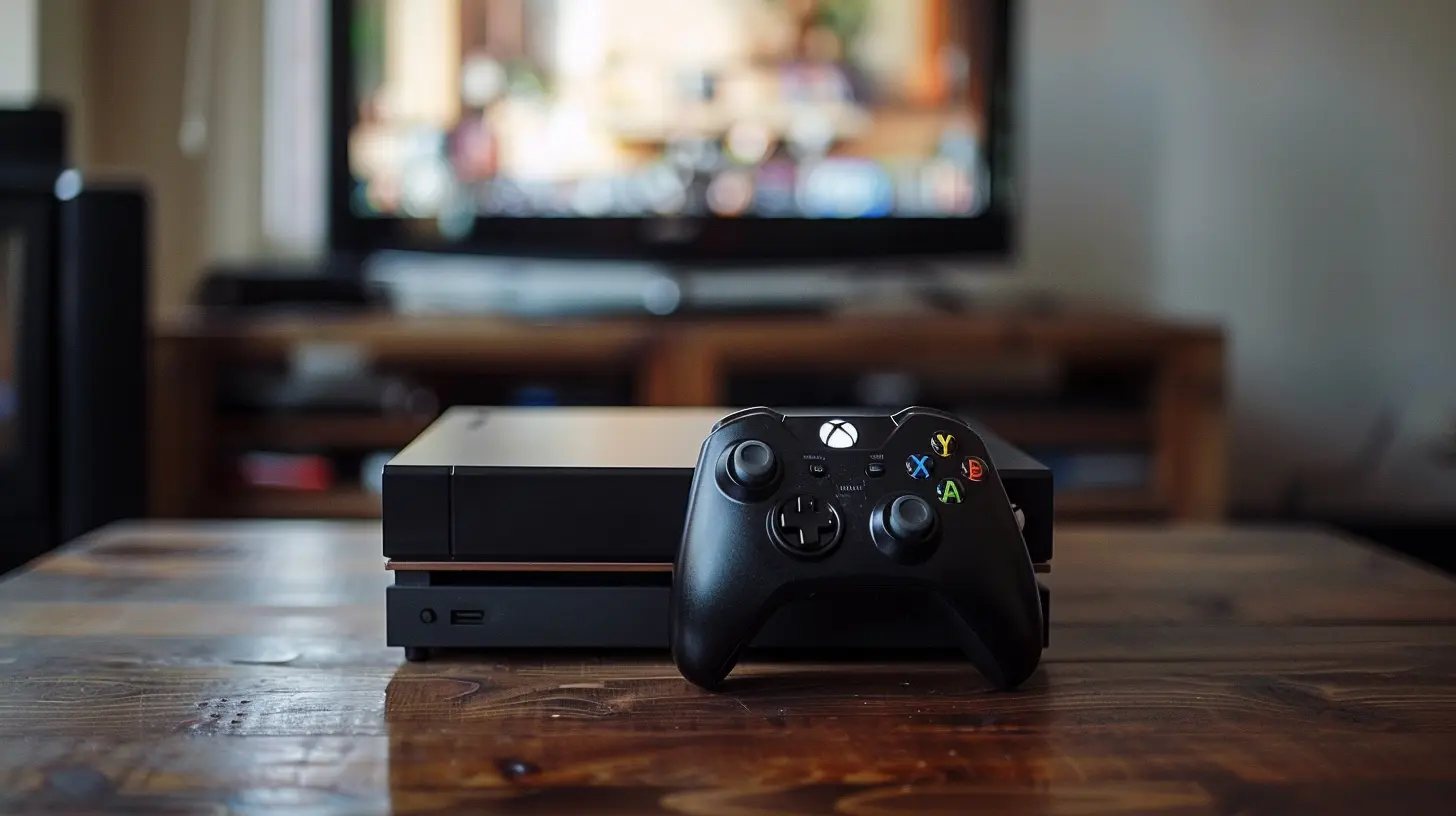
What the Heck Is Backward Compatibility?
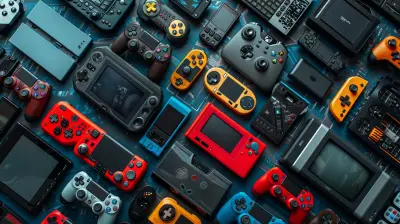
So let’s not assume everyone here majored in Gamer-ology. Backward compatibility is when a new console lets you play games from an older generation. In other words, dust off that stack of old discs and cartridges, because your new-gen beast just might breathe new life into them.Wanna play Halo 3 on your Xbox Series X? Boom. Done. Craving some good ol' God of War III but you’ve only got a shiny PS5? Well, you’re gonna need to do some digital gymnastics—but hey, it’s getting there.
Backward compatibility is like the gaming version of time travel. And who wouldn't want to revisit their digital youth?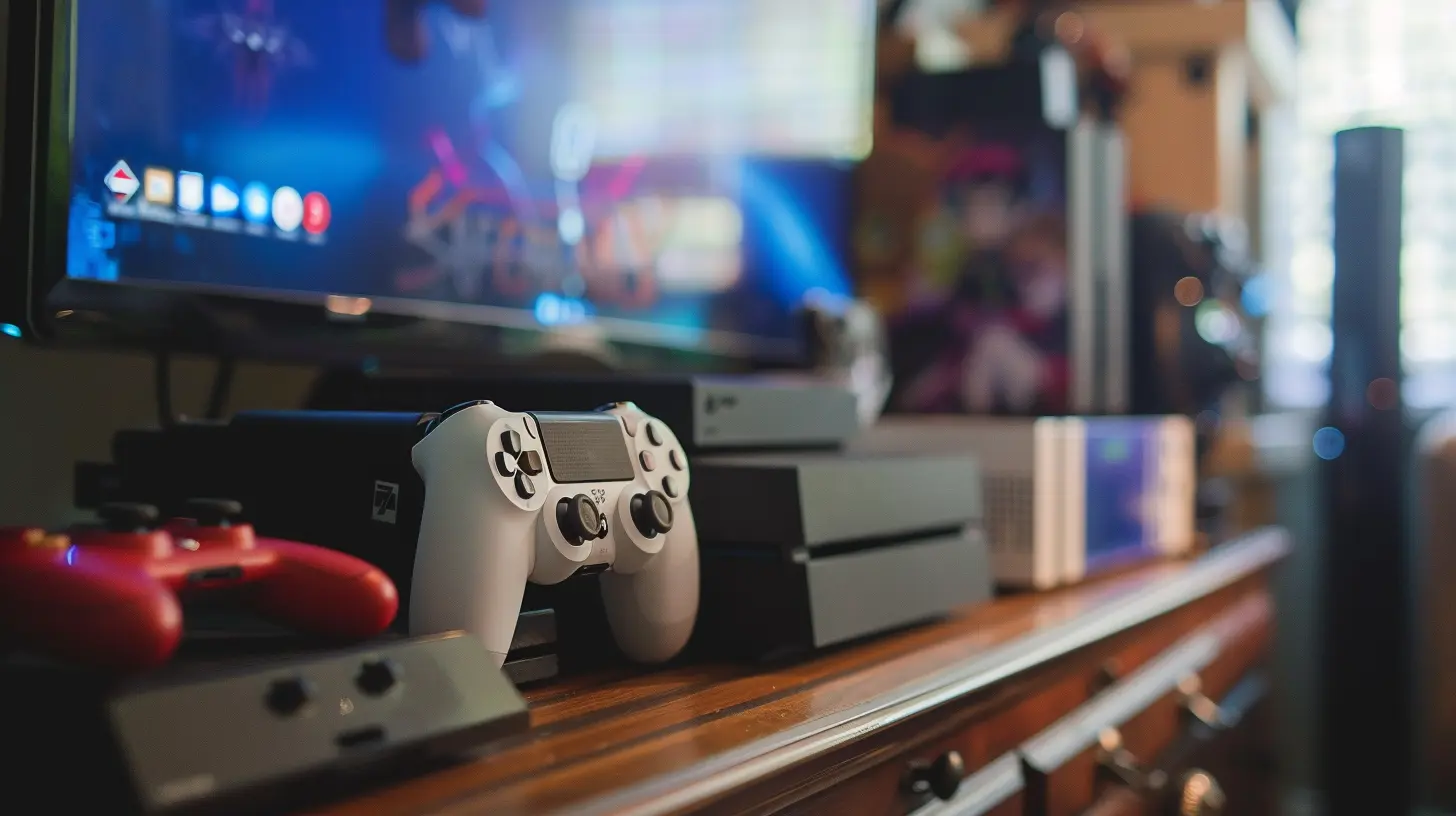
The Good Ol’ Days: When Backward Compatibility Wasn’t Cool
Once upon a pixelated time, backward compatibility wasn’t a big deal—or worse, it didn’t exist. Remember going from PS2 to PS3 and realizing that your Crash Bandicoot disc could now serve only as a coaster? That hurt. Deeply.Console manufacturers used to encourage us to “move on”—like a breakup. “Oh, you loved your old games? Well, forget them. There’s a new generation now.” Cold, right?
But eventually, gamers said “no more!” and staged, well, a very digital revolution (a.k.a. forum rants and salty YouTube comments). And you know what? It worked.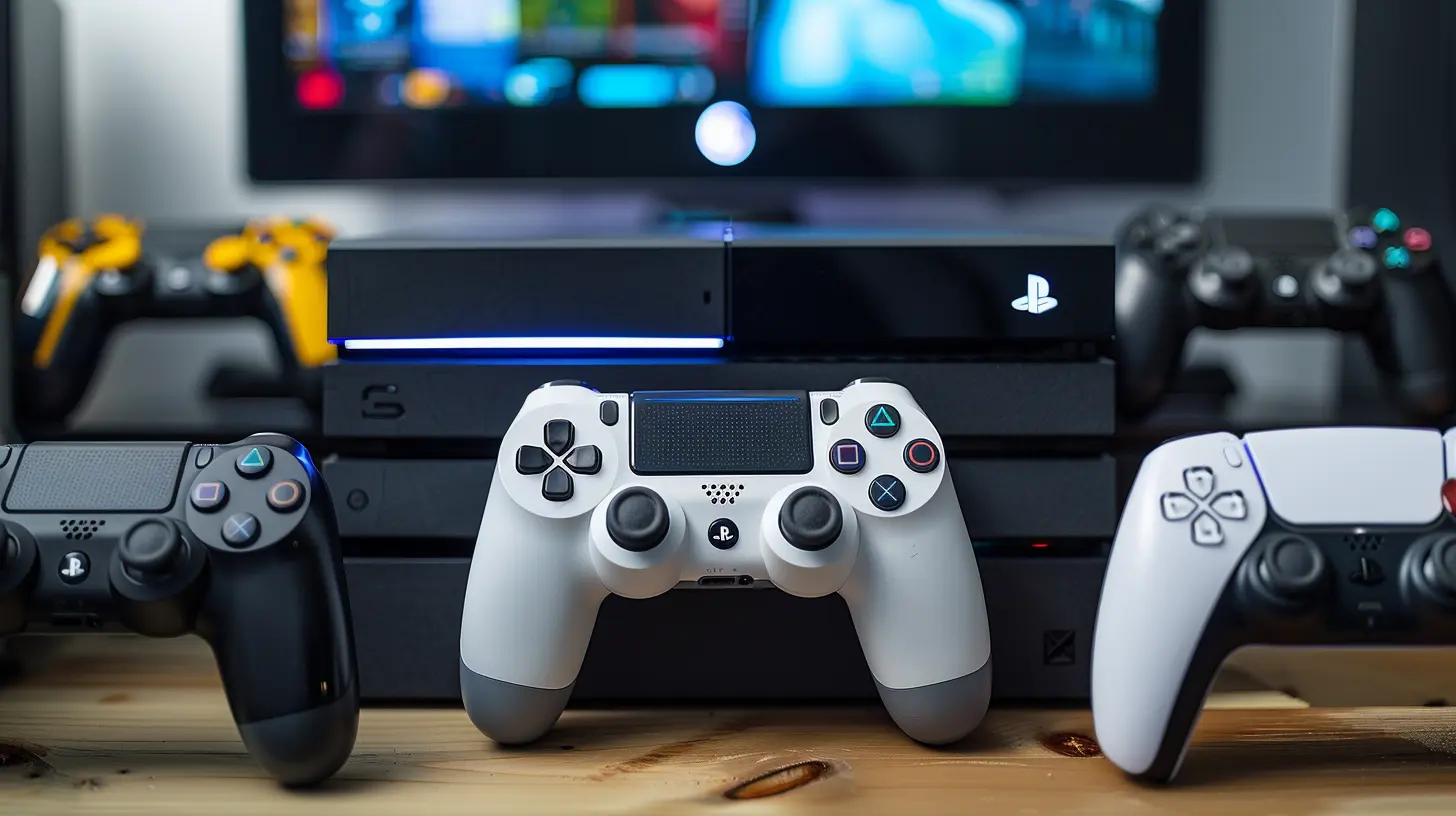
Why the Sudden Love for Compatibility?
Let’s get real—it's part nostalgia, part practicality, and a huge chunk of economics.1. Nostalgia is a Beast
People are loyal. We don’t just love games; we love our games. The ones we played during summer breaks, sleepovers, or when we should have been doing homework.Backward compatibility lets us revisit those cherished memories without digging out dusty consoles and praying they'll still boot up. It’s like time-traveling to your childhood, but with better graphics and less screen flicker.
2. Wallet-Friendly Gaming
Games aren’t cheap. Dropping $70 every few months on new titles? Yikes. Backward compatibility gives your wallet a break by letting you replay older titles without having to repurchase them—unless you're Nintendo, in which case... cough... Virtual Console… cough.3. Building Digital Libraries
Gamers are collectors. Our digital libraries are our trophies. So when a new console says, "Hey, you can keep playing the games you paid for," it earns serious brownie points. It's like Netflix telling you your entire library will be there even when you upgrade your TV.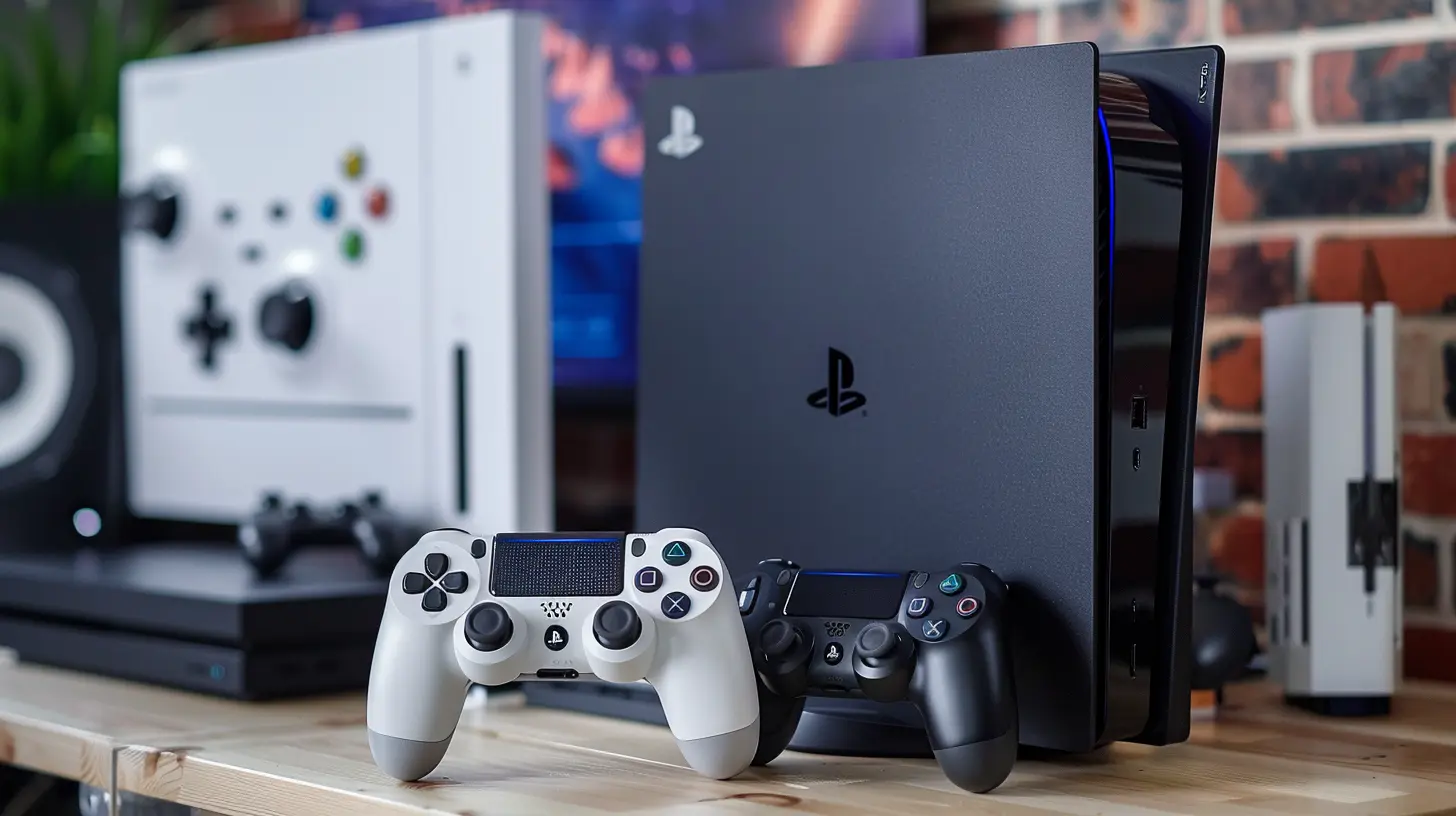
Who’s Doing It Best?
Now that backward compatibility is no longer just a bonus feature but a selling point, who’s killing it in this department?? Microsoft: The MVP
Microsoft is practically the valedictorian of backward compatibility. The Xbox Series X and Series S laugh in the face of generational gaps. You can play original Xbox titles, Xbox 360 games, and Xbox One masterpieces—all in one place.And let’s not forget FPS Boost and Auto HDR. It’s like giving your old games a glow-up. Same gameplay, fewer jagged edges, and no CRT TV required.
? Sony: A Work in Progress
Sony took a while to catch on. PS5 plays PS4 games well, sure. But anything older? That’s a whole different ballgame (unless you subscribe to PlayStation Plus Premium and enjoy streaming older classics). It’s not nothing, but it’s kinda like getting a donut with only a bite of frosting.Let’s hope they keep leveling up in this area.
? Nintendo: The Enigmatic Wizard
Nintendo is in its own world, wearing wizard robes and doing things at its own pace. Backward compatibility on Switch? Pfft. You’ll be lucky to get a re-release in the next Mario-themed collection (for a limited time only, naturally).They prefer to repackage your childhood nostalgia... and sell it to you again at full price. And we keep buying it. Because we're weak. Very weak.
The Tech Side: Why It’s Not Always Easy
Okay, let’s pump the brakes for a sec. Making consoles backward compatible isn't as simple as plugging in a USB stick, chanting a few spells, and boom—it works.Older games were built for different hardware. Imagine trying to run an old floppy disk on your shiny new MacBook. Yeah, no. It's like trying to fit a square peg in a round HDMI port.
Manufacturers have to develop software emulators, tweak performance settings, and sometimes even negotiate licenses just to make sure your fave game from 2006 actually runs—and doesn’t crash harder than a Bugatti in GTA V.
How Backward Compatibility Is Changing the Game (Literally)
So, how exactly is this all reshaping console gaming? Strap in, my joystick-wielding friends, because the ripple effects are real.✅ Longer Game Lifespans
Games aren’t dying young anymore. With backward compatibility, a game’s relevance doesn’t end when the next generation launches. People are still playing Red Dead Redemption from 2010—and loving every horse-riding minute of it.Developers are more motivated to polish their games, knowing they could live on for years—maybe decades.
✅ New Audiences Discover Old Classics
New-gen players are diving into classics they missed. Imagine a Gen Z player booting up Bioshock for the first time and losing their mind. It’s like cultural preservation, but with more plasmids and fewer museum guards.✅ Eco-Friendly Gaming (Say What?!)
Yes, backward compatibility is low-key saving the planet. Fewer people feel the need to keep old consoles, which means less e-waste. You’re not just a gamer—you’re a green warrior with a controller.✅ Developers Are Rethinking Releases
With backward compatibility in place, publishers don’t need to rush remasters or reboots. They can let players enjoy the original magic while focusing on new content. Translation: fewer lazy ports, more creative gems.But Wait, There’s Drama (Of Course)
It wouldn’t be gaming without a little controversy, right?- Some games still aren’t supported.
- Licensing issues mean not every title makes the compatibility cut.
- Digital-only consoles? Yeah, your old discs won’t help you there.
And let’s not forget the folks who bought digital versions of games on older consoles... only to learn they won’t transfer. Cue keyboard-smashing rage.
What Gamers Really Want (Spoiler: More Compatibility!)
Let’s be honest—we want it all. Every game, every generation, on one console… preferably with upgraded graphics, better load times, and a fresh coat of nostalgia polish.Some people even dream of an “Ultimate Console” that can play literally anything. Could it happen? Maybe. Will it be affordable? Doubtful. But one can dream.
Gamers are becoming more vocal, and the more we demand backward compatibility, the harder it'll be for manufacturers to ignore us. Power to the players, right?
The Future: Will Backward Compatibility Stick Around?
Short answer: Heck yes.Backward compatibility isn’t going anywhere. If anything, it’s going to become more refined, more inclusive, and less buggy. As cloud gaming and digital libraries become the norm, your entire game history might just follow you like your Steam backlog—always there, always judging.
The future of console gaming is going to be less about “what you have now” and more about “what you’ve always had.” It's like turning consoles into living, breathing museums of video game greatness. Only louder. And with more explosions.
Final Thoughts: Backward Compatibility is the MVP We Didn’t Know We Needed
Backward compatibility isn’t just a bonus feature or a marketing buzzword. It’s a full-blown movement. It’s like having a time machine in your entertainment center, letting you revisit your favorite adventures without blowing on cartridges (although, be honest—you kinda miss that).As developers, console makers, and gamers unite to keep our shared digital past alive, one thing’s for sure: The future of gaming looks a lot like the past—but crisper, faster, and probably with better loot drops.
So whether you’re replaying Mass Effect for the fifth time or handing your kid a controller for their first run of Spyro the Dragon, backward compatibility is quietly—and awesomely—reshaping console gaming forever.
Now if only someone could make P.T. backward compatible… but that’s a horror story for another time.
all images in this post were generated using AI tools
Category:
Game ConsolesAuthor:

Kaitlyn Pace
Discussion
rate this article
1 comments
Vesper Gutierrez
Backward compatibility is a game changer. It not only preserves the legacy of older titles but also enhances the value of new consoles. Gamers can enjoy their favorite classics while embracing the latest innovations-an impressive evolution in gaming.
September 17, 2026 at 2:39 PM
Kaitlyn Pace
I completely agree. Backward compatibility truly bridges the past and present, allowing gamers to experience both classic titles and new advancements seamlessly. It adds significant value to the gaming experience.