Game Design and Speedrunning: What Makes a Game Perfect for Runners?
17 March 2026
Speedrunning has exploded into a massive subculture within the gaming world. It’s not just about beating a game anymore—it’s about tearing it apart, optimizing every move, and pushing the boundaries of what’s possible. But not all games are created equal when it comes to speedrunning. So, what exactly makes a game the perfect playground for speedrunners?
Let’s break it down and talk game mechanics, level design, glitches (oh yes, we’re going there), and how developers unknowingly—or sometimes deliberately—create titles that thrive in the speedrunning community.
What Is Speedrunning Anyway?
Before we jump into the nuts and bolts, let’s make sure we’re on the same page. Speedrunning is all about beating a video game as fast as possible. Sounds simple, right? Well, it's anything but.Players pour hundreds—sometimes thousands—of hours learning routes, identifying glitches, and perfecting movement techniques just to shave off a few seconds. It’s a race against time (and often, against other runners), loaded with adrenaline, strategy, and a fair dose of obsession.
Now let’s talk about what makes certain games the cream of the speedrunning crop.
The Speedrunner’s Dream: Key Ingredients of a Perfect Game
Not every game earns its spot on Speedrun.com. Some rise through the ranks and become legends—games like Super Mario 64, The Legend of Zelda: Ocarina of Time, or Celeste. So, what makes these stand out?Let’s dig into the key features that help make a game irresistible to runners.
1. Tight and Responsive Controls
If the controls feel like you're wading through molasses, forget about it. Speedrunners need absolute precision, and that starts with control.Think about Celeste. Every jump, dash, and wall-cling feels sharp. You’re in control. It’s like piloting a race car—if the car could double-jump and wall-bounce. These mechanics make it easier (and way more satisfying) to master movement and build muscle memory.
2. Skippable Cutscenes and Fast Resets
Nobody wants to spend five minutes watching a cinematic when they’re grinding a run. Skippable cutscenes and the ability to quickly reset or reload a checkpoint save tremendous amounts of time—and frustration.Games like Hollow Knight allow fast resets and have minimal interruptions. Good speedrun-friendly games keep you playing, not watching.
3. Glitches and Exploits (In the Best Way)
Let’s be real: glitches are gold in speedrunning.They’re not bugs—they’re opportunities. Runners hunt for these like pirates seeking hidden treasure. Whether it's clipping through walls, manipulating in-game code, or pulling off zips (hello, Mega Man), glitches create routes that developers never intended.
What's wild is that some of the most popular speedrun games are famous because of their glitches. Ocarina of Time’s Wrong Warp? Legendary. Super Mario 64’s backwards long jump? Iconic. The weirder the exploit, the better.
4. Multiple Strategies and Skill Ceilings
A speedrun without flexibility becomes predictable fast. The best games offer multiple routes or methods depending on the runner’s skill level.Take Dark Souls, for example. You can go in sword-swinging or zip through with out-of-bounds tricks. There’s a skill curve that allows new runners to get started, yet enough depth for veterans to keep improving.
The broader the skill ceiling, the more time a runner can invest. And that leads to longtime community interest.
5. Consistency and RNG Control
Random Number Generators (RNGs) are like dice rolls in games. A little randomness? That’s fine. Too much? It’s run-killing.Great speedrunning games limit RNG or allow players to manipulate it. When players lose a great run because a boss decided to teleport instead of attack—rage quits happen.
Games that let runners influence or predict RNG—like Pokémon Red/Blue or Final Fantasy VI—become way more appealing long-term.
6. Clear Objectives and Timer-Friendly Design
Speedrunners love games where the goals are crystal-clear. It makes routing simpler and helps with comparing run times.Games with distinct stages, level splits, or achievements are ideal. Think Super Meat Boy—the design is bite-sized and fast-paced. Perfect for time trials.
Level Design: The Secret Sauce of Replayability
Let’s zoom in on something critical—level design.The best games don’t just look pretty or tell great stories. They’re structured in a way that speeds up movement, encourages experimentation, and rewards mastery.
Shortcut-Rich Environments
Memorable speedrun games have tons of shortcuts. Whether they're built-in (like in Mirror’s Edge) or discovered post-launch, shortcuts make reruns exciting.Remember the first time someone showed you a secret path that skipped a massive chunk of a level? Mind blown. That feeling keeps runners coming back.
Momentum and Flow
Great level design supports uninterrupted flow. Speedrunners want to keep moving forward, not backtracking or waiting.Games like Sonic the Hedgehog capitalize on momentum, turning the entire experience into a high-speed dance. Runners learn how to surf the game's rhythm to keep the tempo up.
Verticality and Spatial Awareness
Good level design also considers vertical movement. Games like Doom Eternal and Titanfall 2 shine here. Players can wall-hop, double-jump, climb, drop—it makes traversal a puzzle and a performance all at once.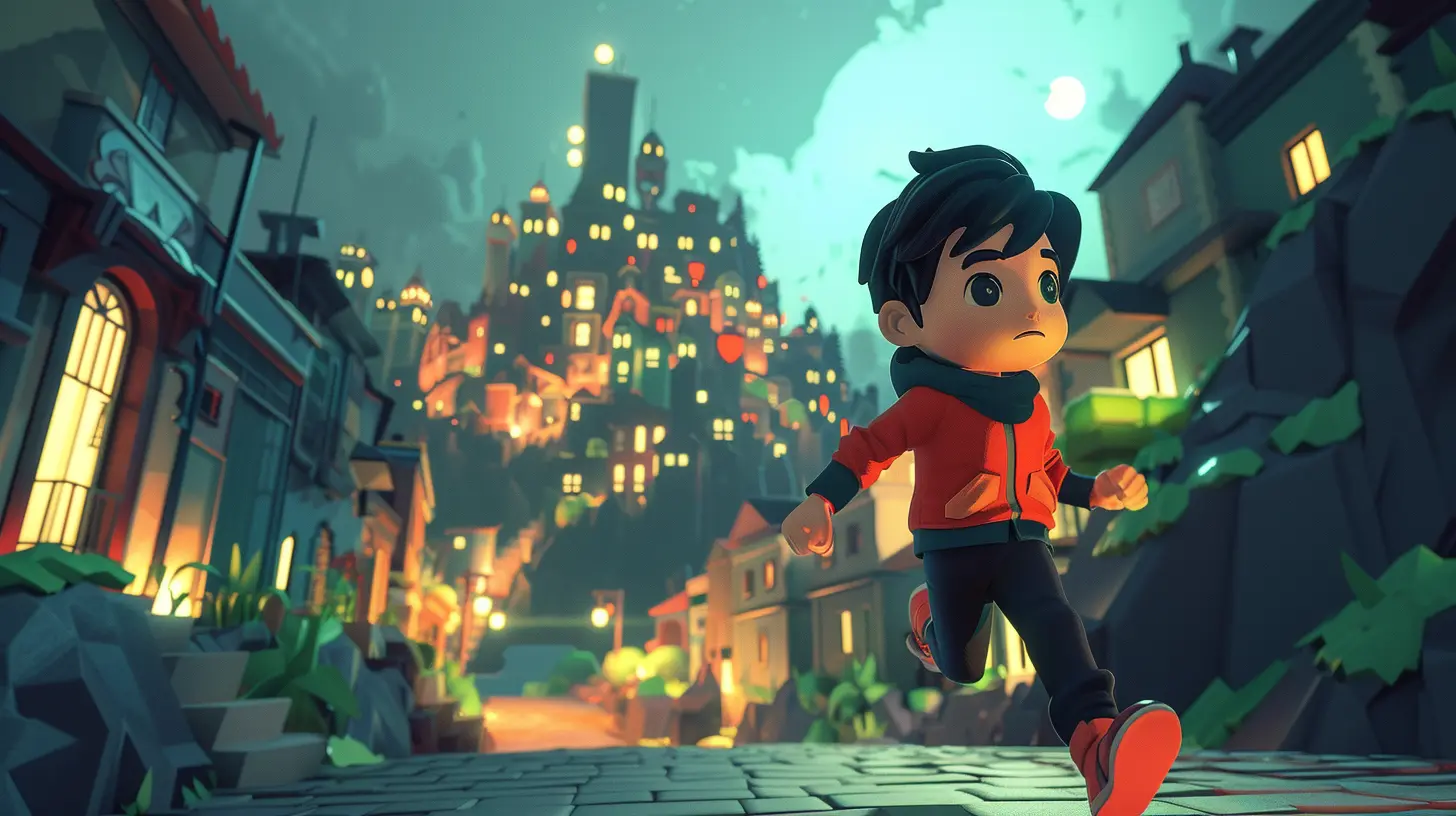
Speedrunning-Friendly Features Developers Can (And Should) Include
Some developers have caught on. In recent years, tons of indie and even AAA studios have been baking speedrunner-friendly features into their games.What kinds of features?
In-Game Timer Tools
Let’s just say it—runners love timers.Some games now come with built-in in-game timers (IGTs), split trackers, or even speedrun modes. This makes attempts more accurate and less reliant on external tools.
Practice Modes
Learning a speedrun isn’t like hitting 'play' and hoping for the best. You need to drill sections, sometimes frame by frame.Games that offer skip-to-checkpoint, load-state systems, or sandbox practice modes help new runners learn the ropes without burning out.
Community Leaderboards
Online leaderboards are more than bragging rights. They drive competition, build community, and keep players hungry to improve.Integrating this feature directly into the game or linking with platforms like Speedrun.com simplifies everything for players and fans alike.
The Speedrunning Community: A Force of Nature
A vibrant, supportive community can explode a game’s popularity in the speedrunning world.Places like Discord servers, Twitch streams, YouTube tutorials, and Reddit threads become knowledge goldmines. A strong community helps newcomers find routes, troubleshoot issues, and stay motivated.
Look at Celeste, Undertale, or Hollow Knight. These games have passionate communities that continue to push records years after release. A built-in sandbox and supportive player base make all the difference.
Why Some Games Fail the Speedrun Test
Not every game gets speedrun love. Some developers unintentionally build barriers that make their games frustrating—or flat-out impossible—to run.Here are some game design missteps that deter runners:
- Forced Tutorials: Let me skip it already!
- Unskippable Cutscenes: No one wants a movie night mid-run.
- Overreliance on RNG: Too much randomness kills consistency.
- Lack of Restart Options: Manual pause > loading menus for a reset? Yikes.
- Input Lag or Bad Controls: Precision matters. Janky controls kill momentum.
Bottom line? If a game makes it hard to practice or improve, it won’t last long in the speedrunning spotlight.
Speedrunning and the Future of Game Design
Speedrunning isn’t just a niche anymore. It’s shaking up how games are made.Some devs now expect their games to be torn apart and optimized. And that’s awesome. It means we’re seeing more games built with speedrunners in mind. Whether it's through community-led challenges, built-in features, or simply open-level design—this trend benefits everyone.
The layers of gameplay that speedrunning uncovers often extend a game's life span by years. What began as a quick run-through can transform into an art form, a competitive sport, or even a career for some.
And that’s why game design and speedrunning are more connected than ever.
Final Thoughts
So, what makes a game perfect for runners?It’s a mix of thoughtful design, glitch potential, responsive controls, and a community that won’t quit. Whether you’re a veteran runner shaving off milliseconds or a curious bystander watching a WR attempt on Twitch—speedrunning brings a thrilling, fresh take to games we thought we knew.
And the best part? There’s always a new game waiting for its shot at speedrunning stardom. The only question is... *who’s gonna break it first?
all images in this post were generated using AI tools
Category:
SpeedrunningAuthor:

Kaitlyn Pace
Discussion
rate this article
2 comments
Sarah Rodriguez
Great insights! Understanding game mechanics and speedrunning synergy truly enhances both design and player experience.
March 26, 2026 at 4:22 AM
Kaitlyn Pace
Thanks for the feedback! I'm glad you found the insights valuable. It's fascinating how game mechanics and speedrunning can influence each other.
Sierra Clark
Fluid mechanics and optimal level design.
March 20, 2026 at 5:42 PM
Kaitlyn Pace
Absolutely. Fluid mechanics provide the *vocabulary* for movement, and optimal level design provides the *grammar*—together they create the sentence a speedrunner wants to read in a single breath.