Fables and Legends: The Twisting Myths of Dark Souls’ World
8 March 2026
If you've ever trudged through the haunting corridors of Dark Souls, you’ve probably felt it—that sense of mystery so thick you could slice it with your trusty longsword. It’s more than just a game; it’s a masterclass in storytelling through subtlety. But let’s be real for a second. Dark Souls’ lore? It’s like piecing together a shattered mirror in pitch darkness. The fragments are scattered everywhere, often hidden in item descriptions, cryptic dialogues, or the architecture itself. Yet, for those of us who relish a good mystery, unearthing the myths and legends of its world is half the fun.
Dark Souls doesn’t spoon-feed you. Nope, it grabs you by the collar, tosses you into a crumbling, cursed world, and whispers, “Figure it out yourself.” The result? A sprawling mythology bursting with tales of gods, heroes, betrayals, and eternal cycles. Ready to dive in? Let’s unravel these twisting myths that make Dark Souls the stuff of legend.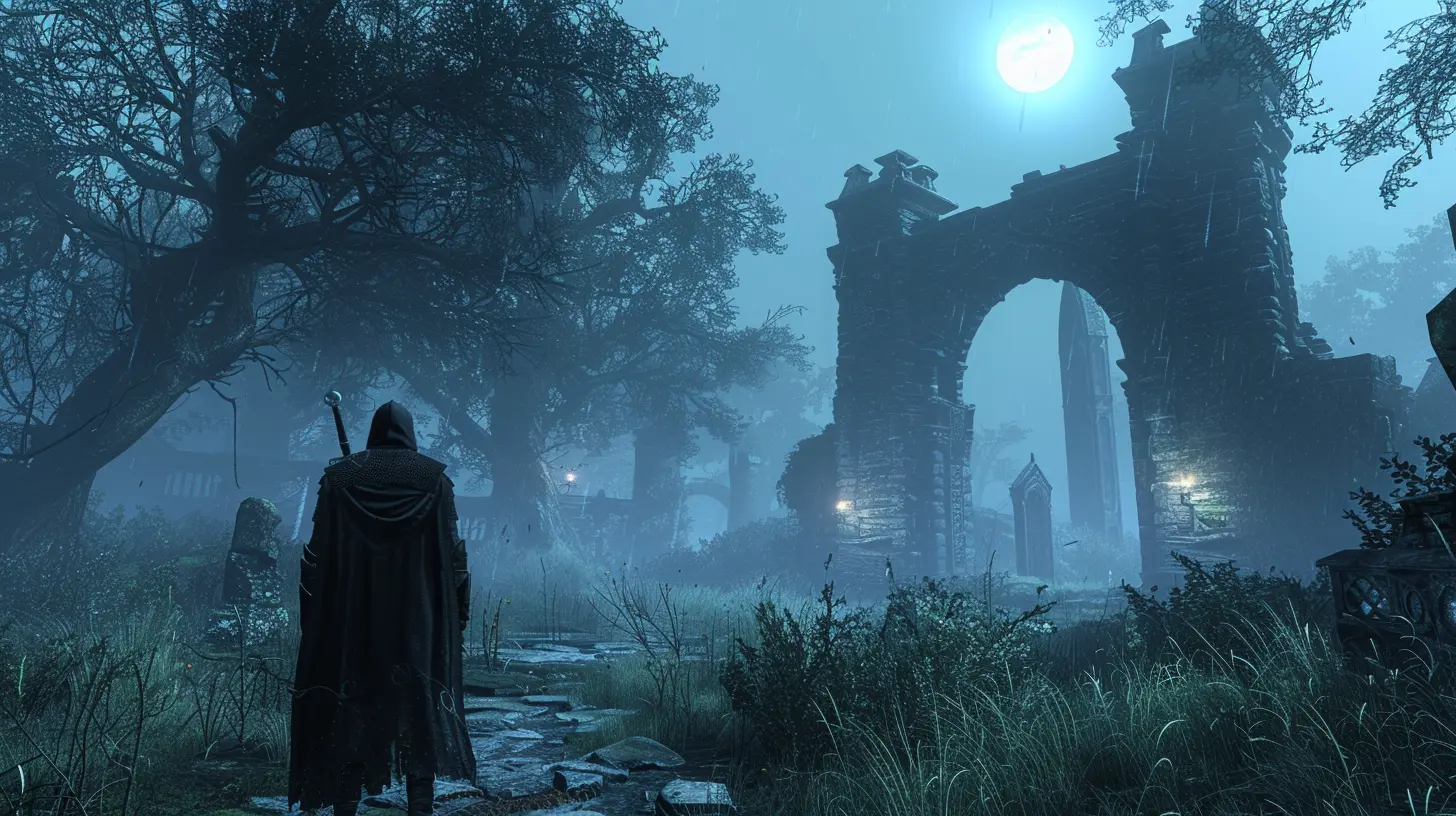
The Age of Fire: A Godlike Beginning
Let’s start with the root of everything: the Age of Fire. It wasn’t always flames and light in the Dark Souls universe. Nope, things kicked off in the Age of Ancients—a dull, gray expanse ruled by everlasting dragons. Think of it as a blank slate, devoid of purpose or time. Then came fire. Boom. Everything changed.Fire brought dichotomies: light and dark, heat and cold, life and death. Among the flames, the Lords emerged. These guys? They were the heavy hitters who shaped history. Gwyn, the Lord of Sunlight, claimed lightning bolts and waged war against the dragons. Nito, the First of the Dead, laid waste with death itself. The Witch of Izalith tried to harness chaos, but, well, let’s just say that didn’t go as planned (looking at you, demons). And then there’s the Furtive Pygmy, easily overlooked, but don’t sleep on them—they’re the ancestor of humanity.
This moment—this spark of fire—is the crux of Dark Souls’ mythology. It sets the stage for everything: the rise of kingdoms, the spread of humanity, and, inevitably, the decay that follows.
Gwyn: The Tragic Tale of a Fallen God
If you had to pick one figure to represent Dark Souls’ lore, it’d probably be Gwyn. He’s a textbook tragic hero—imagine a god who starts as a towering figure of light and ends as a hollowed-out shell of his former self. Gwyn’s tale is central to the game’s themes of sacrifice and the cost of clinging to power.Gwyn linked the First Flame to stave off the Age of Dark, humanity’s ascension. Noble, right? Except it wasn’t just about saving the world; it was also about maintaining the dominance of the gods. Humanity and their Dark Soul? Yeah, he wasn’t a fan. Gwyn’s fear of the unknown drove him to extremes, including persecuting humans and their potential to usher in the Age of Dark.
But here’s the kicker: Gwyn’s self-sacrifice wasn’t a clean win. Linking the flame didn’t stop the cycle of fire fading—it just delayed the inevitable. His kingdom crumbled, his followers lost their way, and Gwyn himself became the thing he feared most: a hollow, undead husk. Talk about irony.
The Curse of Undeath: A Myth Written in Flesh
Ah, the dreaded Darksign—the mark every undead in Dark Souls bears. This curse is more than just a gameplay mechanic; it’s a literal and metaphorical scar on the world. But what is it, really?The Darksign brands the undead, binding them to an endless cycle of death and rebirth. Sounds cool in theory, right? But in practice, it’s a nightmare. Each death chips away at your sanity, stripping away memories and identity until you’re just another mindless hollow. It’s a grim reflection of the endless cycles the world itself endures.
This curse is tied to the waning of the First Flame and the rise of humanity’s Dark Soul. The gods? They weren’t thrilled about humans potentially surpassing them, so the curse was their way of keeping humanity in check. Nice guys, huh?
But here’s the thing: the undead aren’t just victims. They’re agents of change, destined to either reignite the flame or let it fade. In a twisted way, the curse gives them the power to shape the world’s future. How’s that for poetic justice?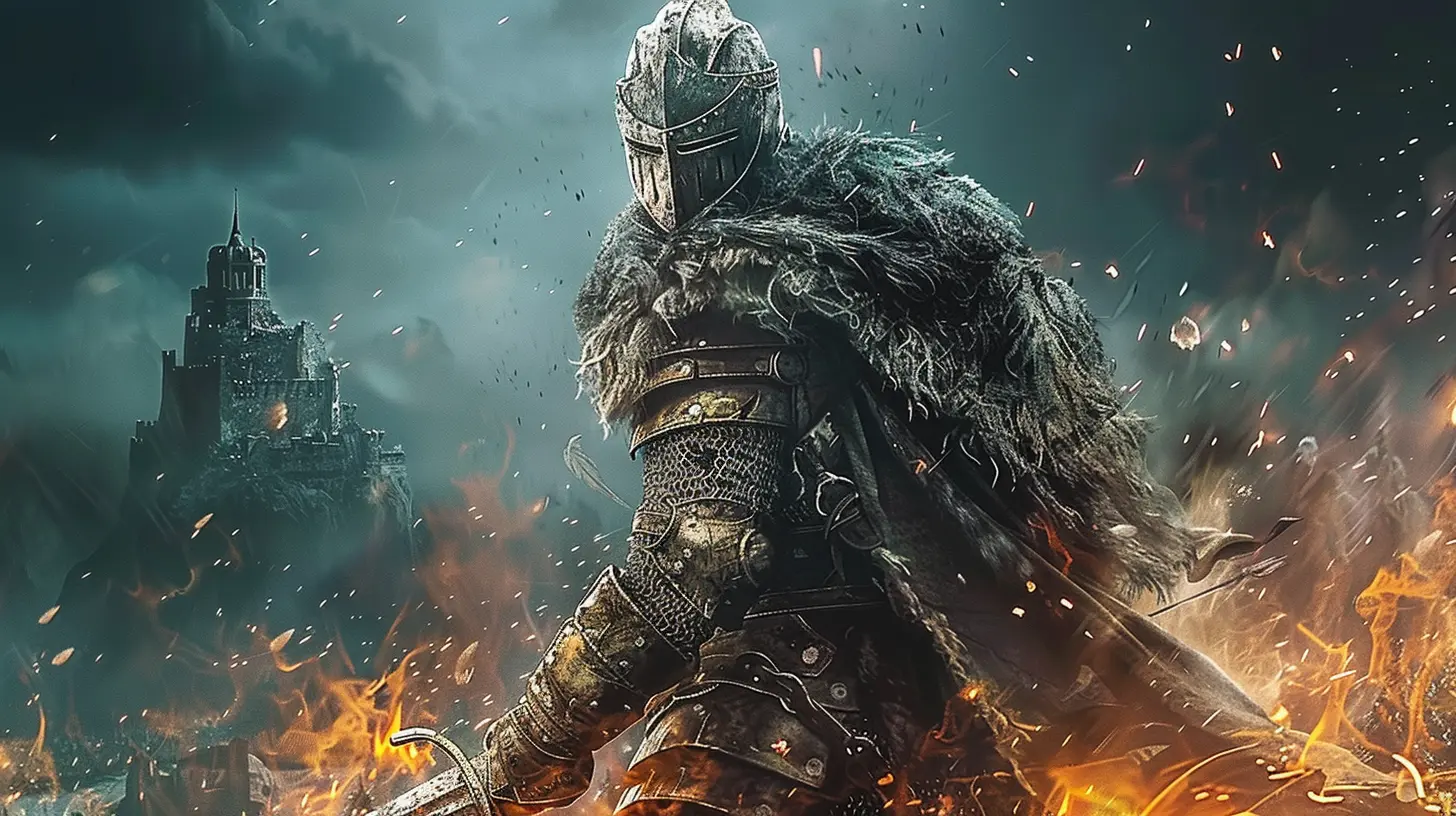
The Abyss: Darkness Given Form
If fire is the symbol of order and life, the Abyss is its chaotic counterpart. It’s the void that lurks in the hearts of men, a darkness that corrupts and consumes. But it’s not inherently evil. In fact, the Abyss is just… there. Neutral. It’s how people interact with it that leads to disaster.Take Artorias, for example. The legendary knight who tried to withstand the Abyss but ultimately succumbed to it. His fall is one of the most heartbreaking stories in Dark Souls. Then there’s Manus, the Father of the Abyss, whose rage and sorrow birthed a darkness so profound it threatened to swallow entire kingdoms.
The Abyss also ties directly to humanity. The Dark Soul, the fragment held by humans, is essentially a piece of the Abyss. Talk about duality—humans are both the harbingers of light and the vessels of darkness. It’s a delicate balance, and when that balance tips, you get calamities like Oolacile.
The Cycles: Eternal Repetition or Hope for Change?
Here’s where Dark Souls really bends your brain. The entire world operates on cycles. The Age of Fire rises, then fades. The Age of Dark threatens to take over, but the flame is reignited, and the whole process starts again. Sound familiar? It’s like that hamster wheel you hop on every Monday morning.But this isn’t just randomness. The cycles symbolize stagnation—a world stuck in an endless loop, too afraid to let go of the past. Each time a hero links the flame, they perpetuate the gods’ rule and delay humanity’s potential to evolve. It begs the question: is it better to cling to the familiar or embrace the unknown?
This theme is central to the player’s journey. Do you link the flame, keeping the status quo? Or do you let it die, ushering in the Age of Dark? Neither choice is painted as purely good or evil. It’s all about perspective. And honestly, isn’t that what myths are all about? Questioning the nature of right and wrong?
Legends of the Chosen Undead: You’re the Wild Card
Amid all these legends of gods and fallen heroes, you—the Chosen Undead—are dropped into the chaos with a blank slate. Your journey is the stuff of legends too, but the game leaves it up to you to shape its meaning. Will you rise as a hero, flame-bearer, or a harbinger of the dark? It’s all in your hands.That’s the beauty of Dark Souls. It doesn’t define your story; it gives you the pieces and asks you to build your own legend. It’s a narrative approach that feels almost mythological in itself—your actions (and endless deaths) ripple through the world, influencing its fate.
Why Dark Souls’ Myths Matter
So why do we care about the tangled web of fables and legends in Dark Souls? Because they resonate. Beneath the layers of cryptic storytelling lies a deeply human core. The gods fear change. Humans fear death. Heroes fall, and the world keeps turning. These are universal truths, wrapped in a fantastical package of fire, swords, and dread.And isn’t that what myths are all about? They take the fears, hopes, and questions of humanity and weave them into stories that transcend time. Dark Souls isn’t just a dark fantasy game—it’s a mirror, reflecting our struggles, triumphs, and the age-old question: what comes next?
all images in this post were generated using AI tools
Category:
Lore And StorylinesAuthor:

Kaitlyn Pace
Discussion
rate this article
2 comments
Azura Valentine
Dark Souls: where ancient myths and your patience go to die—sorry, I meant thrive! Again!
March 14, 2026 at 4:31 PM
Kaitlyn Pace
Indeed, Dark Souls masterfully intertwines ancient myths with player perseverance, creating a rich tapestry of challenging lore and immersive storytelling.
Destiny Warren
Fables and Legends: The Twisting Myths of Dark Souls’ World" offers an insightful exploration of the narrative intricacies within the Dark Souls universe. By delving into its rich mythology, the article highlights how the game's lore enhances player immersion and experience, illustrating the profound impact of storytelling in video games.
March 12, 2026 at 5:23 AM
Kaitlyn Pace
Thank you for your thoughtful comment! I'm glad you found the exploration of Dark Souls' mythology and its narrative depth engaging. Storytelling truly elevates the gaming experience.