Exploring Console Lifespans and Support Cycles
10 May 2026
When you pick up a brand-new console, don't you often wonder, "How long is this thing going to be relevant?" Or even more importantly, "When will support dry up?" We all want our investment to last, whether it's a crisp new PlayStation, Xbox, Nintendo Switch, or even a retro console you dusted off from the attic. So today, we're diving deep into the wild and ever-evolving world of console lifespans and support cycles.
Because let’s be honest—nobody wants to see their beloved console go obsolete faster than you can say "next-gen."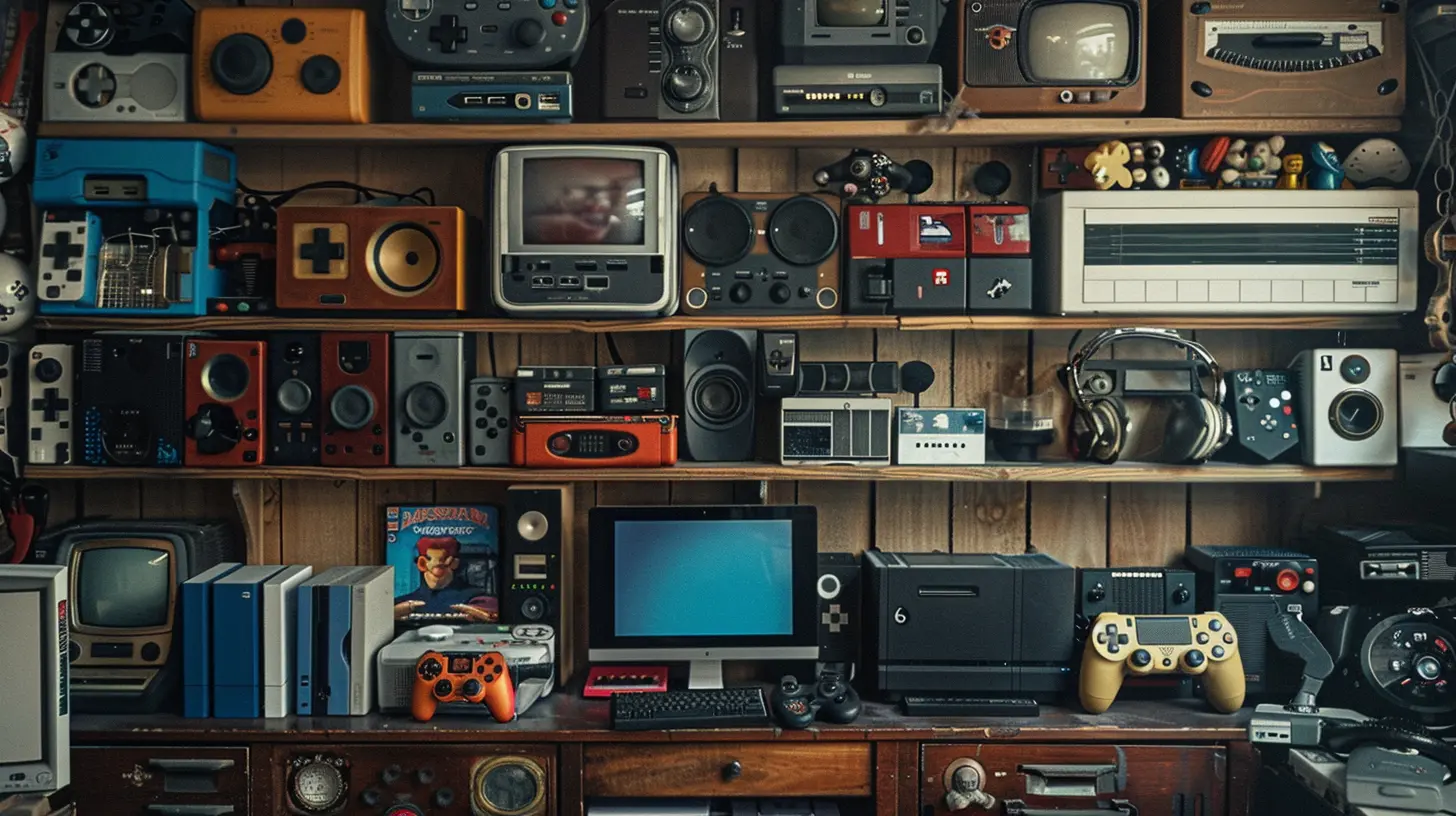
? What is a Console Lifespan, Really?
Let’s break it down. A console’s “lifespan” refers to how long a console remains actively produced, supported, and relevant in the gaming market. That means we’re talking about:- Manufacturing life — how long it's produced and sold.
- Software support life — how long new games are still being released.
- Technical support — how long the company helps users with repairs and updates.
It’s not always the same number. Sometimes, consoles are still getting new games even after they’ve stopped being produced. Other times, production stops, and game support ends quickly after.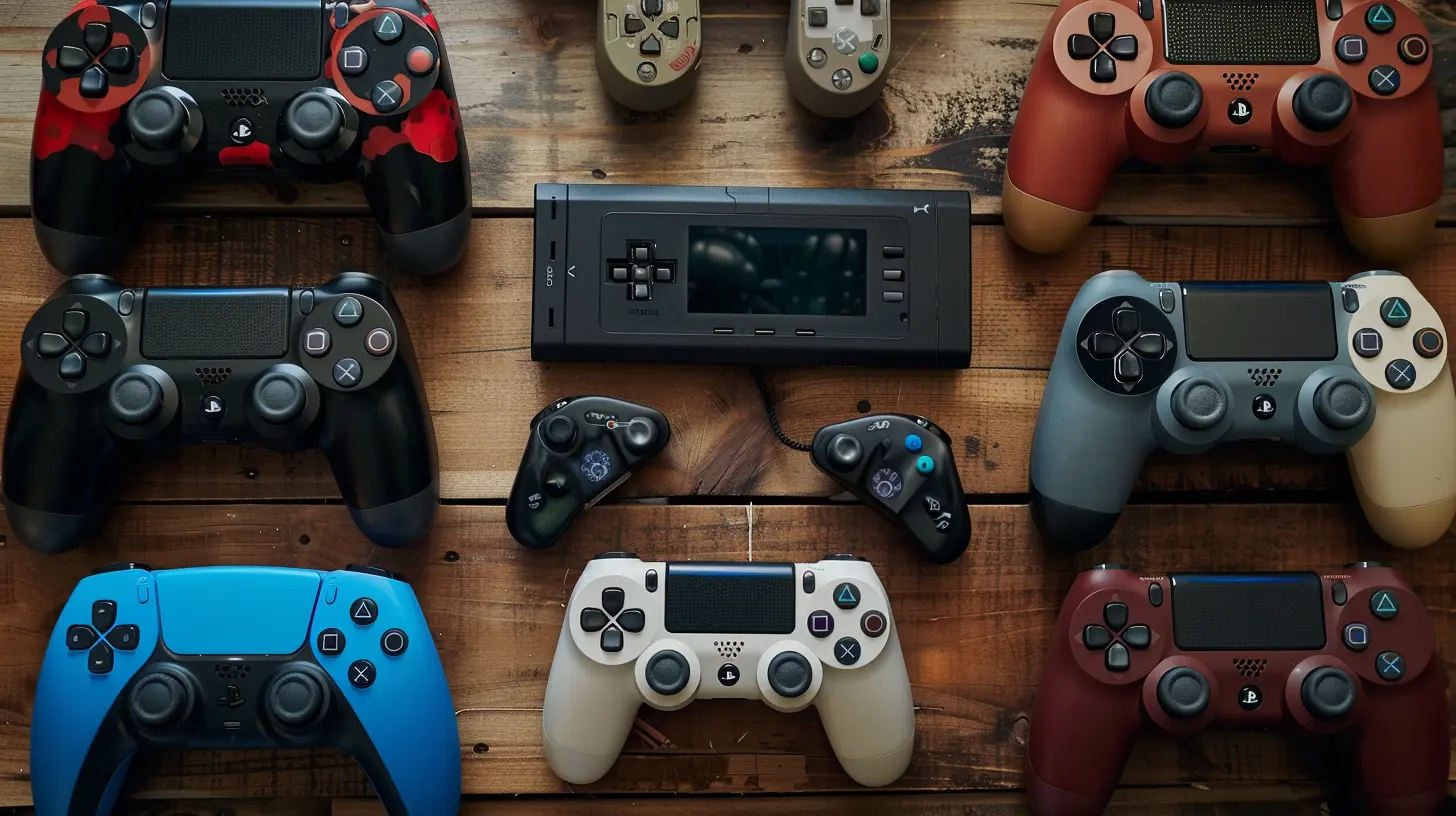
?️ A Quick Look at Console Generations (So Far)
Let’s take a walk down memory lane and look at some of the major console lifespans we’ve seen so far:| Console | Release Year | End of Support | Approx. Lifespan |
|--------|--------------|----------------|------------------|
| PlayStation 2 | 2000 | 2013 | 13 years |
| Xbox 360 | 2005 | 2016 | 11 years |
| Nintendo Wii | 2006 | 2013 (production), 2019 (online) | ~13 years |
| PlayStation 4 | 2013 | Still receiving support (2024) | 11+ years |
| Xbox One | 2013 | Partial support (2024) | 11+ years |
| Nintendo Switch | 2017 | Still going strong | 7+ years |
As you can see, once a console goes mainstream, it can stick around for a decade or more. But there's more to the story than just dates.
⏳ What Dictates a Console’s Lifespan?
Now for the juicy part. What really decides how long a console lives and breathes?1. Sales Performance
If a console sells like hotcakes (think PS2 or Nintendo Switch), manufacturers will support it longer. It’s simple economics. More users = more profit potential.2. Technological Advancements
If the tech starts to feel ancient and can’t keep up with new features or games, companies will push for the next big thing. Remember how the Xbox 360 started feeling outdated when 4K gaming came around?3. Market Competition
When a rival drops a powerful new system, the pressure's on. Companies might speed up development or cut support to focus on their next-gen offerings.4. Developer Adoption
If game developers are still building for a console, long after it’s technically "old," gamers will keep playing. The PS4 is still pulling new releases in 2024, even with the PS5 well into its cycle.5. Online Services and Infrastructure
For modern consoles, online ecosystems matter a lot. Once those services are retired—like Nintendo’s Wii Shop Channel—it signals the end of an era.
?️ Hardware Production vs. Software Support
It’s important to know that just because a console isn’t being made anymore doesn't mean it's "dead." Production usually stops before software support ends.Think of it like this: the factory might stop building cars, but the highway's still open and parts are still available.
Example: PlayStation 2
Sony officially stopped producing the PS2 in 2013, but games were still coming out, especially in international markets, till as late as 2014.Developers will keep making games if the user base is still massive. And with 155 million units sold, the PS2 was massive.
? Backward Compatibility and Cross-Gen Support
Backward compatibility is like handing your little cousin the keys to your car and saying, “Don’t worry, you’ll figure it out.”Modern consoles like the PS5 and Xbox Series X/S allow users to play many older generation games, bridging the gap between old and new. This feature softens the blow of obsolescence.
Cross-Gen Games
Titles like "Horizon Forbidden West" or "Call of Duty" launching on both PS4 and PS5 are great examples of cross-generation support. This extends the relevance of older consoles.So even if you can't afford to dive into next-gen hardware on day one, your current-gen still has fuel in the tank.
? What Happens When Support Ends?
Let’s talk reality. Eventually, every console reaches the end of the road. When that time comes, a few things typically happen:- No more firmware updates
- Online features shut down
- No new games released
- Repair services discontinued
- Third-party support drops
And no, that doesn’t mean your console becomes a paperweight (unless it’s a Virtual Boy ?). You can still play existing games, load physical media, and enjoy retro gaming.
But let’s be honest—it stings. Like when Xbox Live support ended for OG Xbox. Fans even threw virtual farewell parties in Halo 2 lobbies.
? The Psychology Behind Console Attachments
We don’t just buy consoles to play games. These machines are memory machines. Our nostalgia is tied up in those controllers.That’s why news of console support ending often sparks emotional reactions. The end of a console feels like saying goodbye to a friend that’s been through thick and thin with us—like defeating final bosses at midnight or pulling off that impossible combo online.
? How Companies Handle Transitions Between Generations
Going from one gen to the next is tricky, and each company handles it differently.Sony’s Strategy
Sony tends to keep supporting older consoles while gradually shifting focus. The PS3 lasted until 2017, and the PS4 still has legs even into the PS5 era.Microsoft’s Philosophy
Microsoft leans heavily into ecosystem continuity. Xbox Series X was sold as part of the broader "Xbox" family, not a hard generation cut. Their Game Pass approach also helps maintain relevance across multiple hardware generations.Nintendo’s Approach
Nintendo likes to reinvent the wheel every gen. From the GameCube → Wii → Wii U → Switch, transitions are dramatic. But Nintendo also has a tendency to drop support quickly once they move on, especially for online services.? What This Means for Gamers
So, what should you actually do with all of this info?Should You Wait or Upgrade?
If a console is nearing the end of its support cycle, consider whether major titles are still being released. If yes, there's no rush. If not, it might be time to upgrade.Is It Safe to Buy Older Consoles?
Absolutely, but go in with your eyes open. They're great for nostalgia or budget gaming, but don’t expect new games or official backing. Buying older consoles might also require you to look into fan patches or third-party support.Are Subscription Services the Future?
Game Pass, PlayStation Plus, and cloud gaming platforms are extending the concept of console life. The future may not be about the console itself, but the services it connects to.? What Could the Future Hold?
Console lifespans are getting harder to pin down thanks to digital distribution, backward compatibility, and cloud gaming.Could we see a world where hardware is less important, and games live in the cloud? Quite possibly.
Still, the heart of gaming lies in those epic boss battles, late-night raids, and open-world adventures. Whether on a shiny new PS6 or a dusty old GameCube, those memories matter.
✅ TL;DR - Key Takeaways
- Console lifespan includes production, software support, and technical help.- Most consoles live around 6–10 years, with some stretching well beyond.
- Massive sales, tech advances, and developer enthusiasm influence longevity.
- Even when out of production, consoles can continue to thrive.
- Support ends gradually—starting with production, then updates, then online services.
- Backward compatibility and digital platforms are making transitions smoother.
- Buying or keeping an older console? Just know what to expect.
- The future of console gaming may be less about hardware and more about ecosystems and access.
all images in this post were generated using AI tools
Category:
Game ConsolesAuthor:

Kaitlyn Pace
Discussion
rate this article
2 comments
Astraea Cummings
Console lifespans are like fine wines; they get better with age but sometimes leave you with a headache. Here's to hoping they keep the party going and don't get forgotten on the shelf! Cheers!
June 19, 2026 at 3:57 PM
Kaitlyn Pace
Great analogy! Here's hoping for a long, enjoyable run for our favorites. Cheers!
Bella McCollum
Console lifespans really vary based on support and games. It's fascinating to see how some systems thrive for years while others fade quickly. Looking forward to what's next...
May 21, 2026 at 2:23 AM
Kaitlyn Pace
You're right, the dynamics of console lifespans are intriguing. It's always exciting to see how new innovations and game releases shape the future. Thanks for sharing your thoughts!