Entering the Mind of a Madman: The Psychological Themes of Hellblade
15 March 2026
Ever wondered what it feels like to step into the shoes of someone battling their inner demons—literally? Hellblade: Senua’s Sacrifice doesn’t just tell a story; it drags you down into the rabbit hole of psychosis, where reality and delusion intertwine in ways that are as haunting as they are mesmerizing. This isn’t just another hack-and-slash game with pretty visuals. Nope, it’s an intense dive into the psyche of a troubled warrior. So, let’s break it down and explore the psychological themes that make Hellblade a masterpiece of emotional storytelling.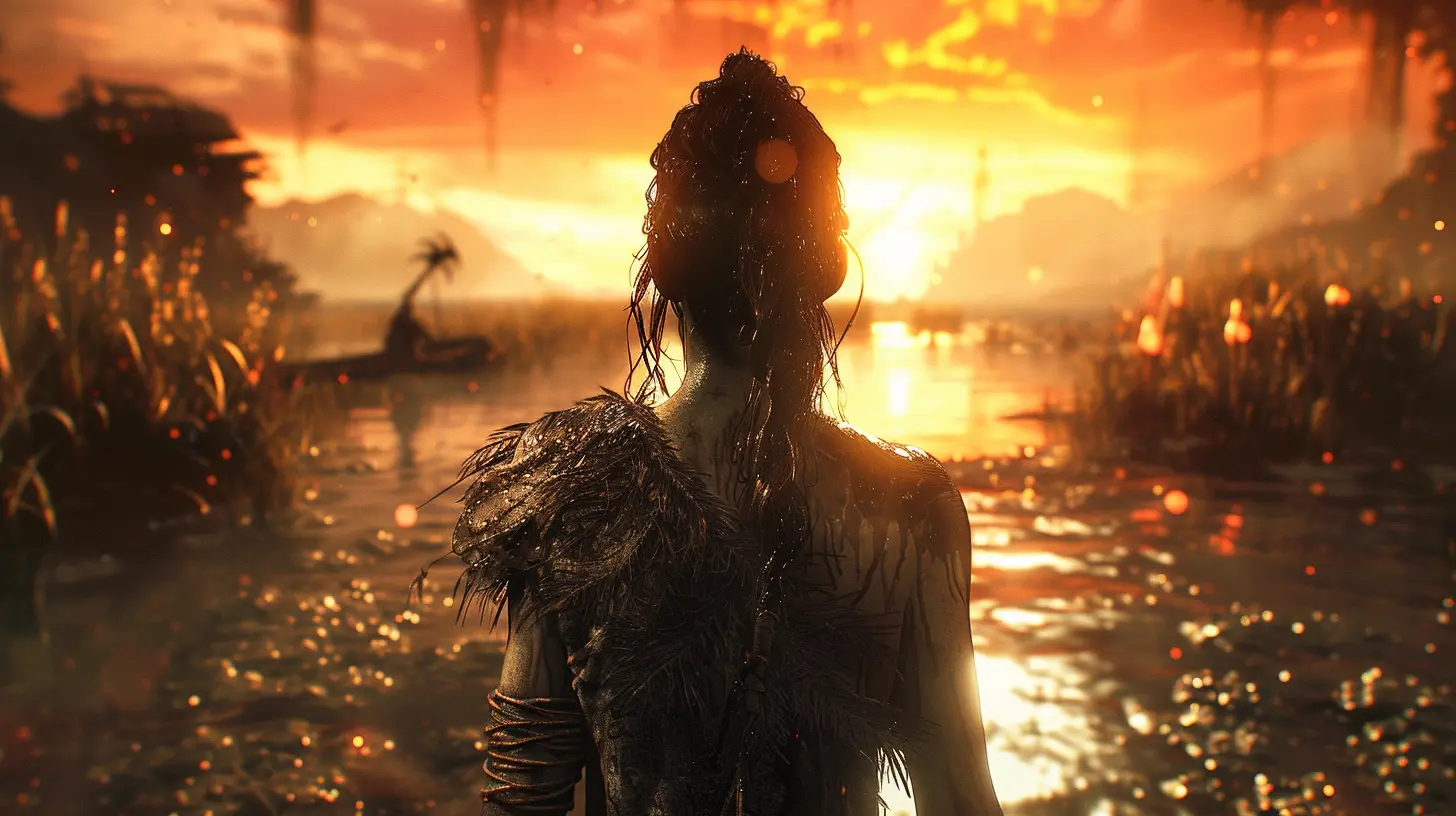
Setting the Stage: What Is Hellblade All About?
First things first, if you haven’t played Hellblade: Senua’s Sacrifice, don’t worry; I’ve got you covered. At its core, the game follows Senua, a Pict warrior plagued by psychosis, as she embarks on a journey to save the soul of her lover, Dillion. But this isn’t your typical save-the-princess story flipped on its head. This is Senua’s battle—not just against external enemies, but against the war raging within her mind.The developers at Ninja Theory crafted Senua’s experience with the help of mental health professionals, neuroscientists, and people who live with psychosis. The result? A harrowing and authentic depiction of mental illness that feels raw, unfiltered, and deeply human.
Now, let’s dig deeper into the psychological layers of this incredible game.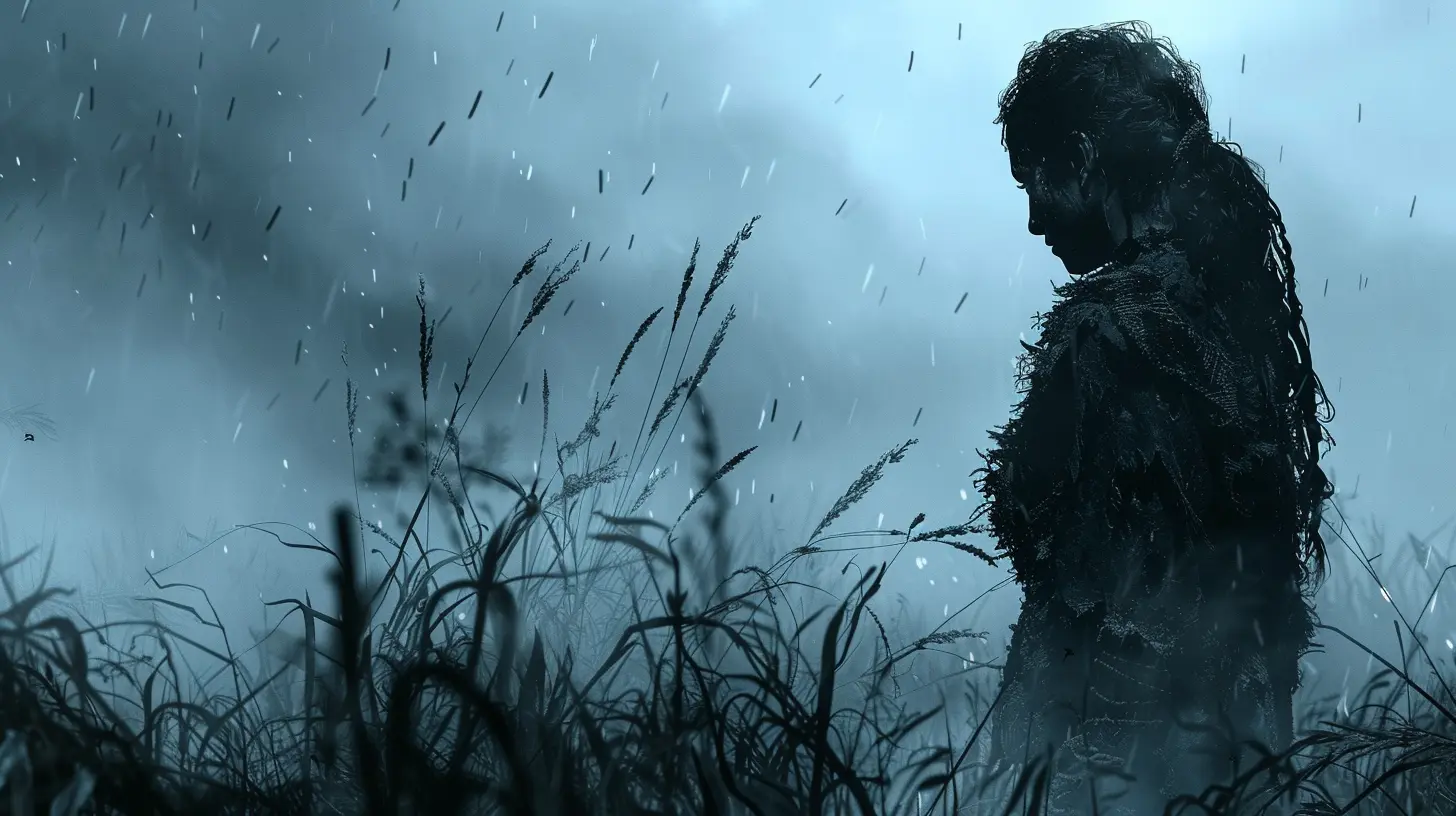
Voices in the Dark: The Power of Auditory Hallucinations
Have you ever had that nagging inner voice in your head? You know, the one that runs on repeat when you’re stressed, whispering self-doubt and worst-case scenarios? Hellblade amplifies that feeling tenfold.Throughout the game, Senua hears a cacophony of voices—some comforting, others cruel. These auditory hallucinations, known clinically as “hearing voices” (a common symptom of psychosis), pull the player into Senua’s world. You can never quite tell who to trust, and you’re never truly alone. Ninja Theory used binaural audio technology to create a 3D soundscape, meaning if you play with headphones (which you absolutely should), the voices feel like they’re swirling around you, invading your personal space. Creepy, right?
But the voices aren’t just there for spooky vibes. They’re a constant reminder of Senua’s internal struggle. Sometimes they guide you, offering helpful hints. Other times, they undermine you with venomous doubt. It’s like having a peanut gallery in your head that never shuts up. The result? You’re left second-guessing every step you take, much like someone experiencing psychosis might feel in real life.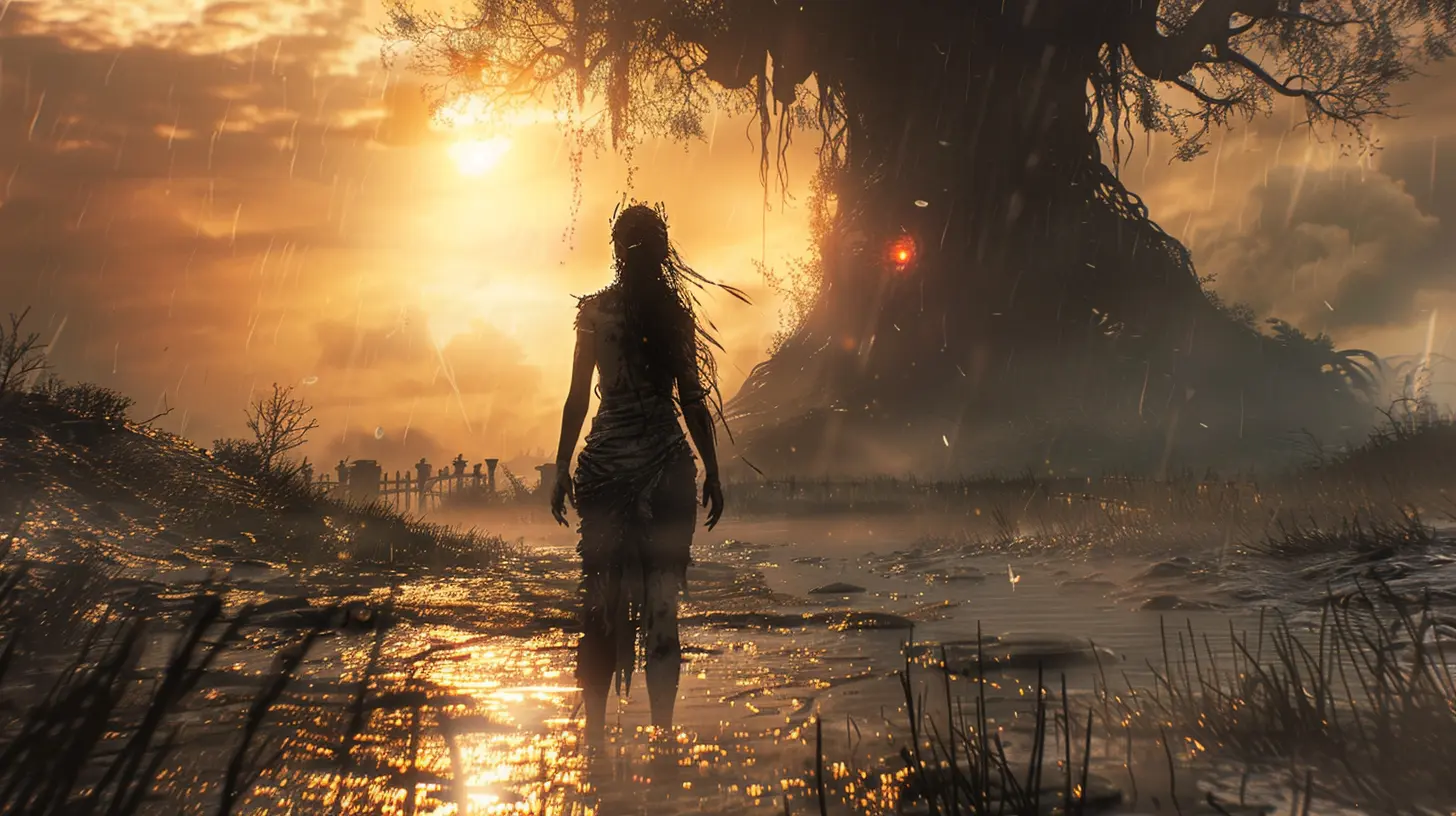
The Enemy Within: Delusions and the Unreliable Reality
In Hellblade, not everything is as it seems. (Cue the dramatic "plot twist" music.) The game blurs the line between reality and delusion in a way that keeps you on edge. For example, the enemies you fight might not actually exist. The puzzles you solve rely on seeing patterns that aren’t really there. Even the world around you shifts and warps, leaving you wondering: What’s real, and what’s just in Senua’s head?This mirrors the experience of delusions, a hallmark of psychosis. For Senua, these aren’t just fleeting moments of confusion; they’re a constant assault on her sense of reality. The brilliant part? The game forces you, the player, to live through it too. It’s not just storytelling; it’s an empathy machine that helps you understand what it feels like to question everything.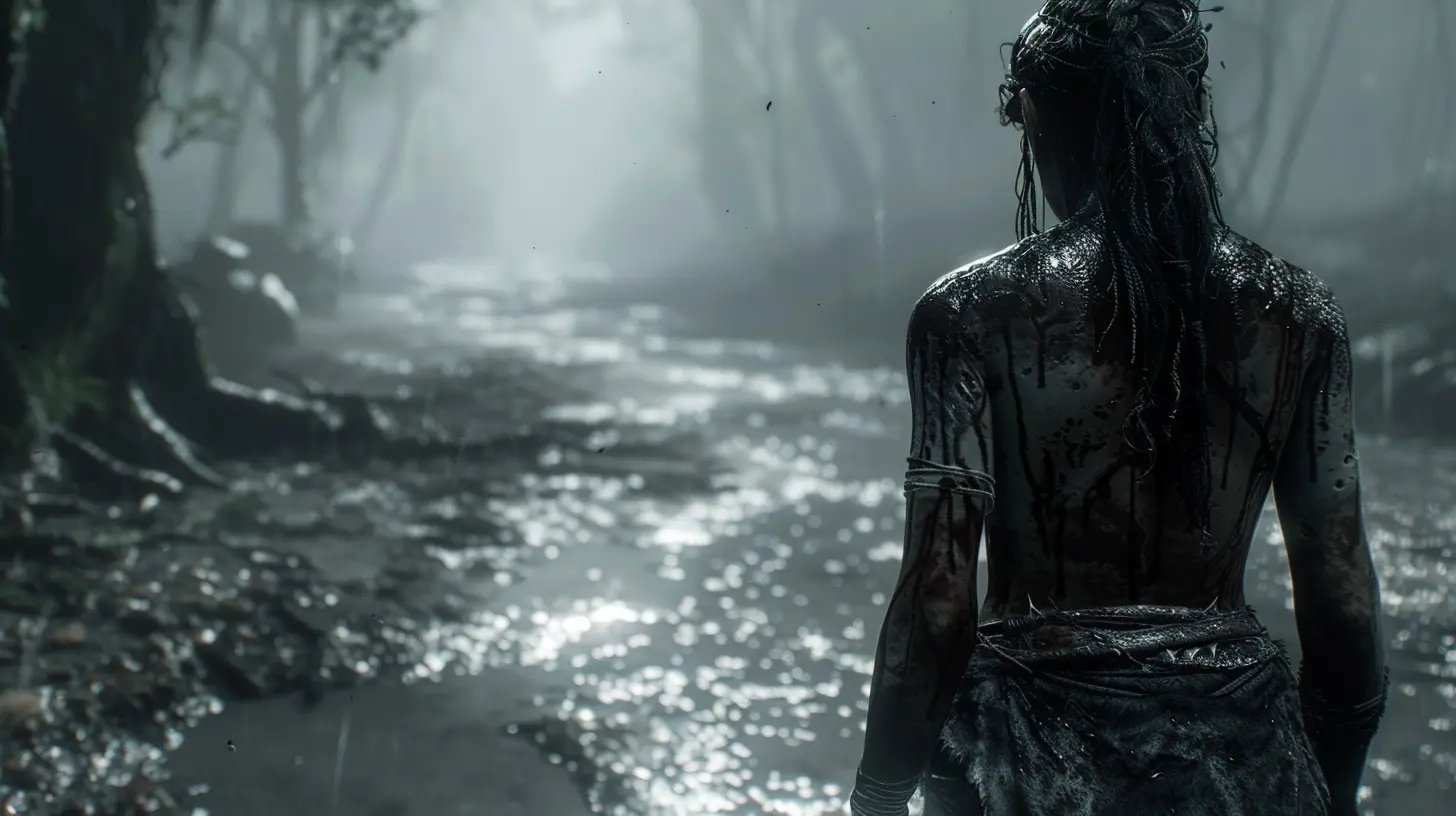
Trauma as a Shadow: The Role of Past Pain in Psychosis
Senua’s journey isn’t just a physical one—it’s deeply tied to her past. From the outset, you learn that she’s carrying the weight of immense trauma. Her mother was burned alive for being considered cursed. Her father abused her and convinced her that her psychosis was a curse from the gods. And then there’s Dillion, her lover, whose violent death is the catalyst for her current quest.Trauma plays a significant role in mental illness, and Hellblade handles this with unflinching honesty. For Senua, her psychosis isn’t just a random affliction; it’s deeply intertwined with the pain and loss she’s endured. Each new challenge in the game feels like peeling back a layer of her psyche, exposing raw wounds that never truly healed. Her trauma isn’t just a backstory; it actively shapes her perception of the world and her decisions.
Darkness Personified: Facing Fear and Guilt
One of the most striking aspects of Hellblade is its portrayal of fear. The darkness isn’t just an environment or an enemy—it’s a living, breathing manifestation of Senua’s mind. It’s her fear, her guilt, her doubts—all rolled into one. And it’s relentless.As you progress through the game, you’ll notice how the darkness grows stronger when you fail. This isn’t just a game mechanic to push you to “git good.” It’s a metaphor for how fear and guilt can consume us when left unchecked. Failure feeds the darkness, mirroring how negative thoughts can spiral out of control in real life.
But here’s the kicker: the darkness isn’t unbeatable. Senua’s story is as much about resilience as it is about suffering. Despite everything—her psychosis, her trauma, her fear—she keeps going. And that’s an incredibly powerful message for anyone who’s ever felt like they were fighting a losing battle against their own mind.
The Role of Culture and Mythology in Senua’s Journey
Let’s talk about the cherry on top of this psychological sundae: mythology. The game intertwines Norse and Celtic mythology to create a rich, symbolic narrative. For Senua, these myths aren’t just stories; they’re part of how she interprets the world.Her psychosis filters her understanding of events through the lens of her culture’s beliefs. The gods, the darkness, the trials—these aren’t just external forces acting upon her. They’re reflections of her internal struggles, given life and form by her mind. It’s a fascinating look at how our perceptions can be shaped by the stories we tell ourselves.
Why Hellblade Matters: Breaking the Stigma Around Mental Illness
Let’s face it: mental illness is still a topic shrouded in misunderstanding and stigma. But Hellblade tackles it head-on, giving players an intimate look at what it’s like to live with psychosis. It doesn’t sugarcoat the experience or turn Senua into a tragic figure. Instead, it portrays her as a fully realized person—flaws, strengths, and all.By doing so, the game challenges the stereotypes surrounding mental illness. Senua isn’t “crazy” or “broken.” She’s a warrior, both literally and figuratively. And her story is one of bravery, resilience, and hope.
Final Thoughts: More Than Just a Game
Hellblade: Senua’s Sacrifice isn’t just a game you play; it’s a game you feel. It’s a masterclass in storytelling that doesn’t shy away from the messy, painful realities of mental illness. But it also shows that there’s strength in vulnerability, hope in despair, and light in the darkest places.If you haven’t experienced it yet, do yourself a favor and dive in. You’ll laugh, you’ll cry, and you’ll come away with a deeper understanding of what it means to truly battle your inner demons.
all images in this post were generated using AI tools
Category:
Lore And StorylinesAuthor:

Kaitlyn Pace
Discussion
rate this article
2 comments
Fatima Kirk
Hellblade masterfully explores mental illness, immersing players in Senua's haunting psychological journey.
March 18, 2026 at 3:29 AM
Kaitlyn Pace
Thank you! I'm glad you resonated with Senua's journey. The game's portrayal of mental illness is indeed powerful and thought-provoking.
Zevros McCarty
Oh sure, nothing screams "fun weekend" like diving into the chaotic psyche of a madwoman. Who needs sunshine and puppies when you have haunting mental battles?
March 15, 2026 at 4:39 PM
Kaitlyn Pace
I appreciate your take! Delving into complex themes can be just as engaging as sunshine and puppies—each offers its own unique thrill.