Digital vs Physical Games on Consoles
8 August 2026
Let’s face it—video gaming has come a long, long way. Remember blowing into cartridges to make them work? Good times. But today, we’ve got sleeker consoles, bigger storage, online stores, and—yep, you guessed it—a big ol’ debate: digital vs physical games on consoles. Whether you’re a proud PlayStation fan, a loyal Xbox gamer, or a Nintendo die-hard, you’ve faced this dilemma at some point.
So, which format should you go for? Is digital the future, or is physical still king? Let’s break it down.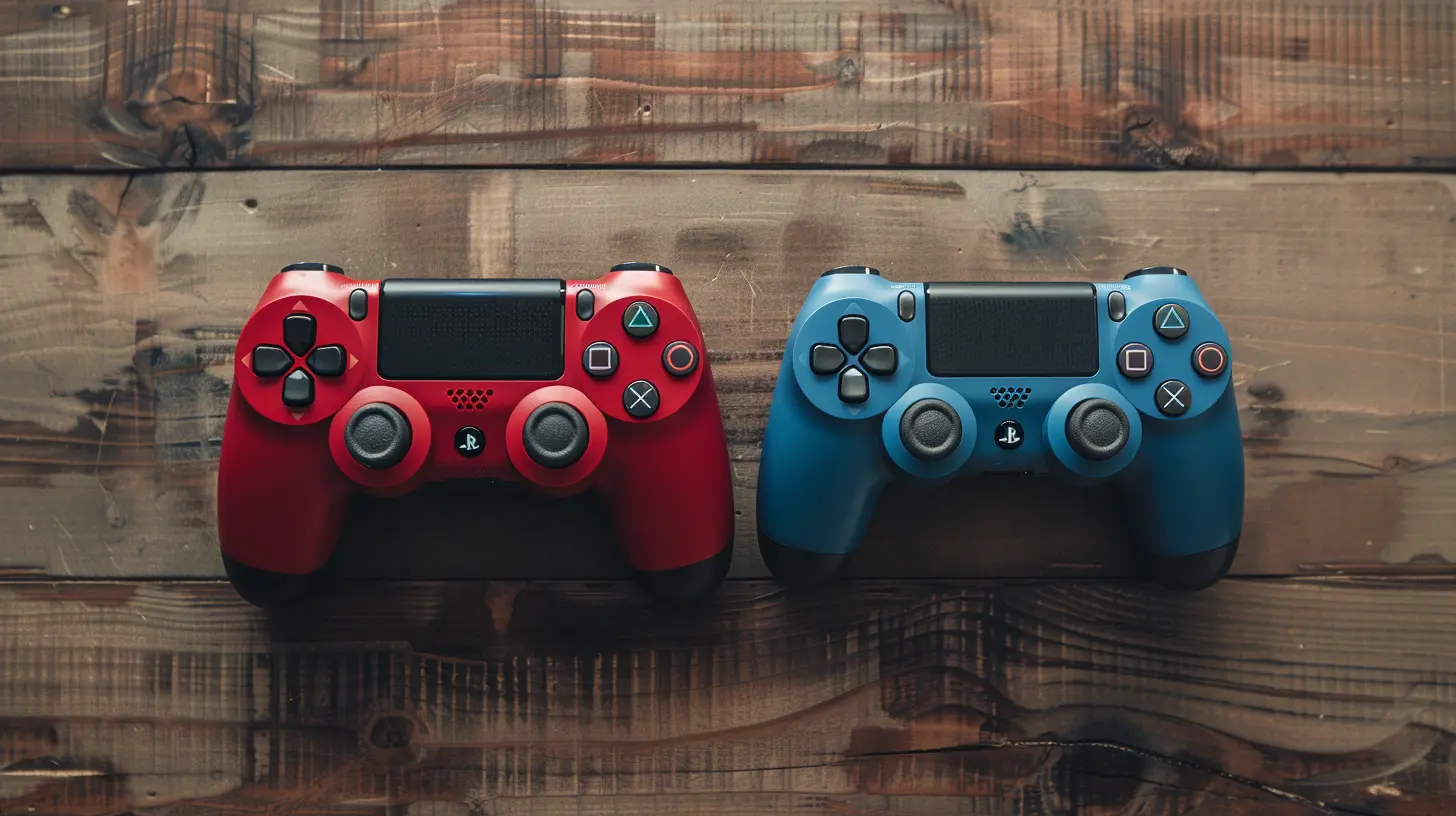
What’s the Difference Anyway?
Before we dive into the pros and cons, let’s get on the same page.- Physical games are your traditional discs or cartridges. You buy them in a store or order online, and they come in a box you can touch, smell (if you’re into that), and display on your shelf.
- Digital games are downloaded straight to your console. There’s nothing to touch—just a file that lives on your hard drive or SSD. You get them from online stores like the PlayStation Store, Xbox Store, or Nintendo eShop.
Easy, right? But each comes with its own set of perks and pitfalls.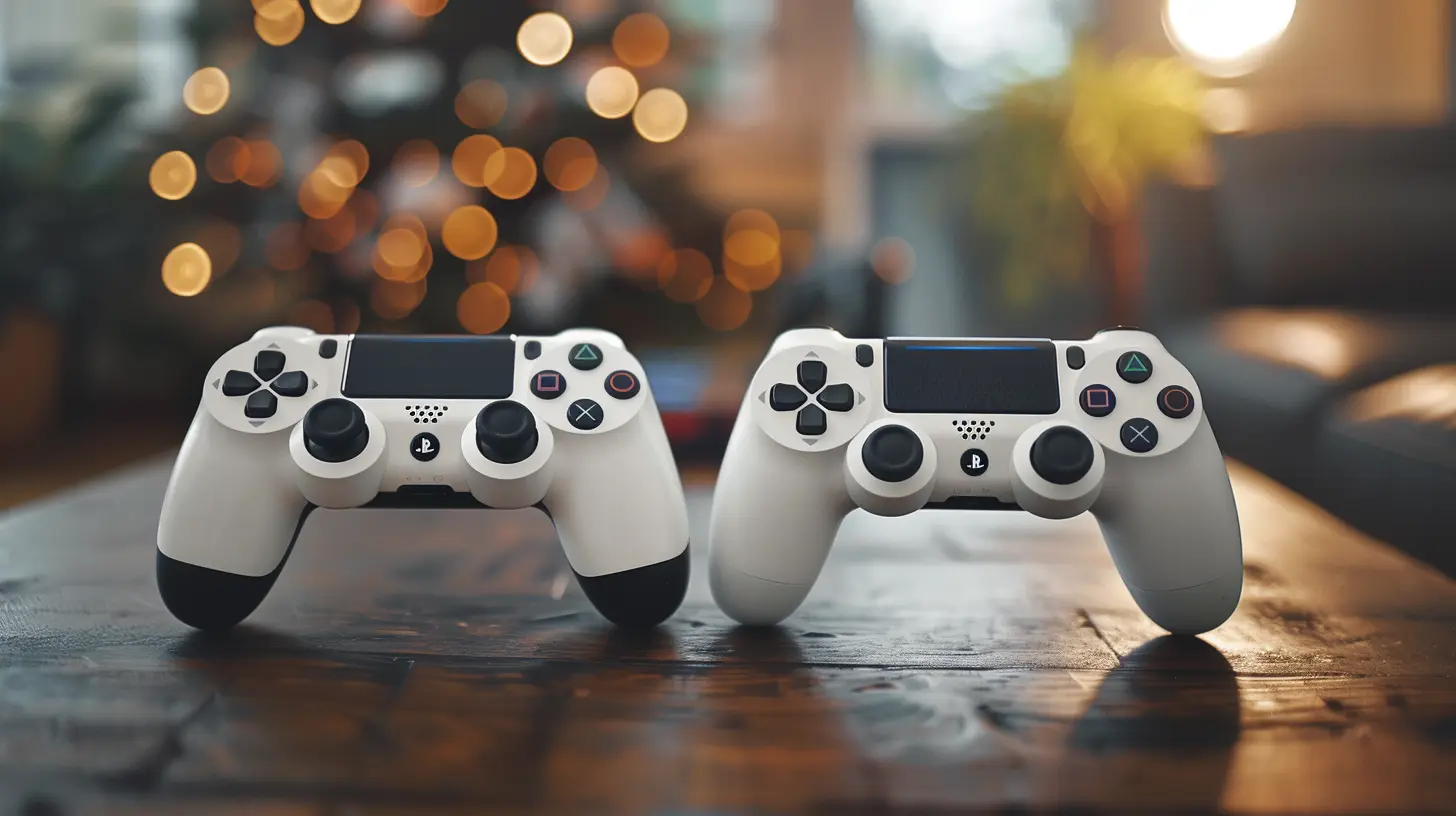
The Case for Digital Games
1. Instant Gratification
Honestly, who likes waiting? With digital games, you can buy and start downloading in seconds. If you’ve got decent internet, you’re playing in no time. Midnight release? You’re already in the game while physical copy folks are still in line or waiting for delivery.2. Convenience is King
Gone are the days of swapping discs. With digital games, everything’s right there on your console. Wanna jump from Fortnite to Elden Ring? Boom, done. No need to dig through shelves or switch cartridges.3. No Clutter, No Problem
Let’s be real—physical games can pile up fast. If you’re tight on space, digital keeps your setup clean and minimal. No boxes, no broken cases, just pure gaming goodness.4. Game Sharing Evolves
Services like Xbox’s Game Share or PlayStation’s Primary Console setting allow you to share digital libraries with a friend or family member. Two consoles, one digital collection? That's a sweet deal.5. No Lost or Damaged Discs
We’ve all been there. A borrowed game never returned, or a scratched disc that doesn’t load. Digital makes those problems vanish. Your games are tied to your account, not to a fragile piece of plastic.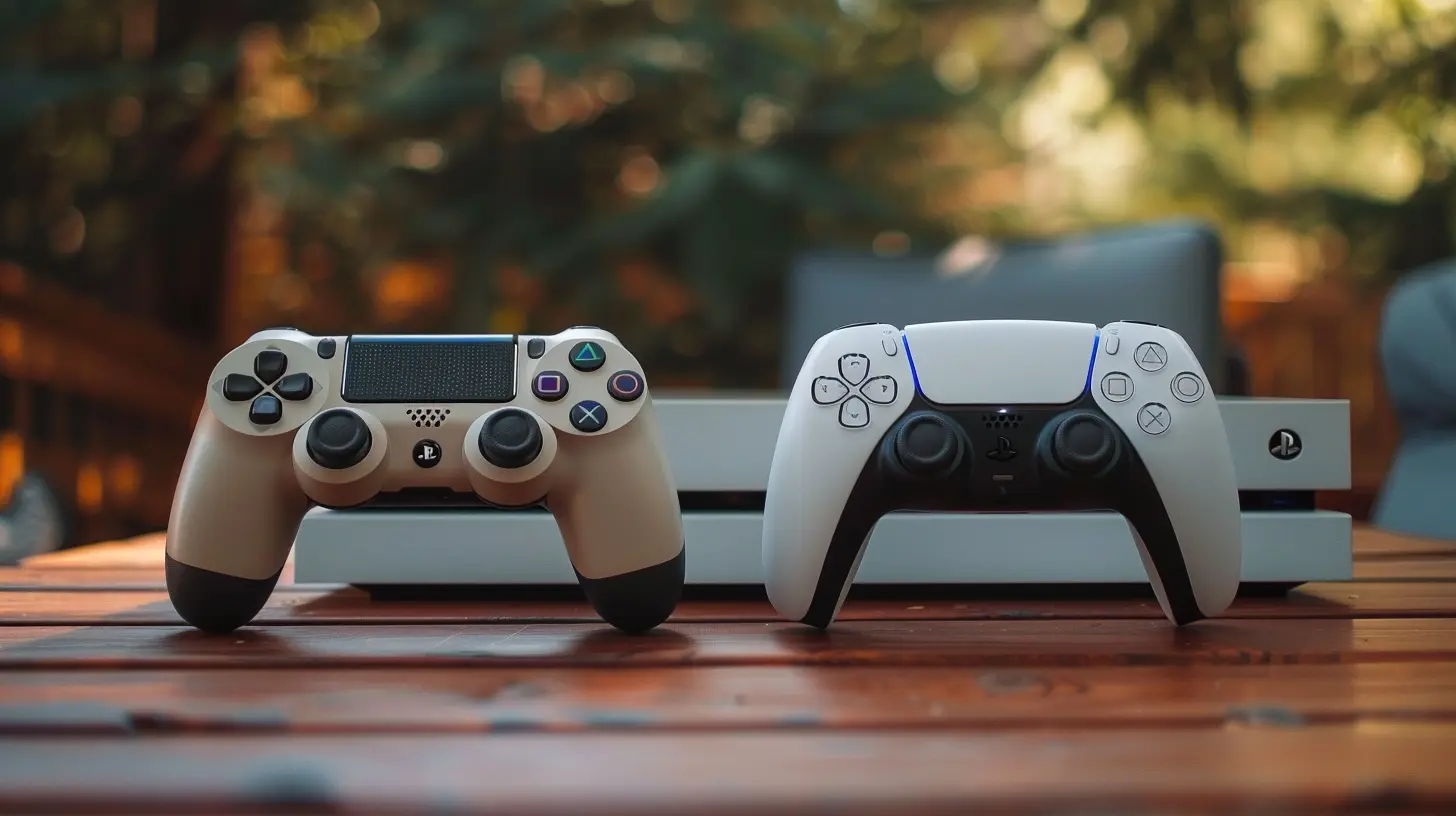
The Case for Physical Games
1. Ownership Feels Real
There’s something satisfying about owning a physical copy. You’ve got the box, the disc, maybe even a bonus poster or collectible. It feels legit—like you truly own your game.2. Resale and Trade-In Value
Finished your game and moving on? Sell it. Trade it. Lend it to a friend. Physical games hold some value, unlike digital versions that are locked to your account forever.3. No Download Hassles
Pop in a disc, install the game, maybe update it, and boom—you’re good. This can be way faster than downloading massive digital files, especially on slow internet connections.4. Collector's Editions Rule
Let’s not forget about those sweet collector’s editions. Art books, steel cases, statues—physical games offer bonuses that digital just can’t match. If you’re a fan of game merch, physical is the way to go.5. Better Deals (Sometimes)
Retail stores often have sales, bundles, or clearance prices that beat digital store prices. Plus, preowned physical games can be dirt cheap compared to their digital counterparts.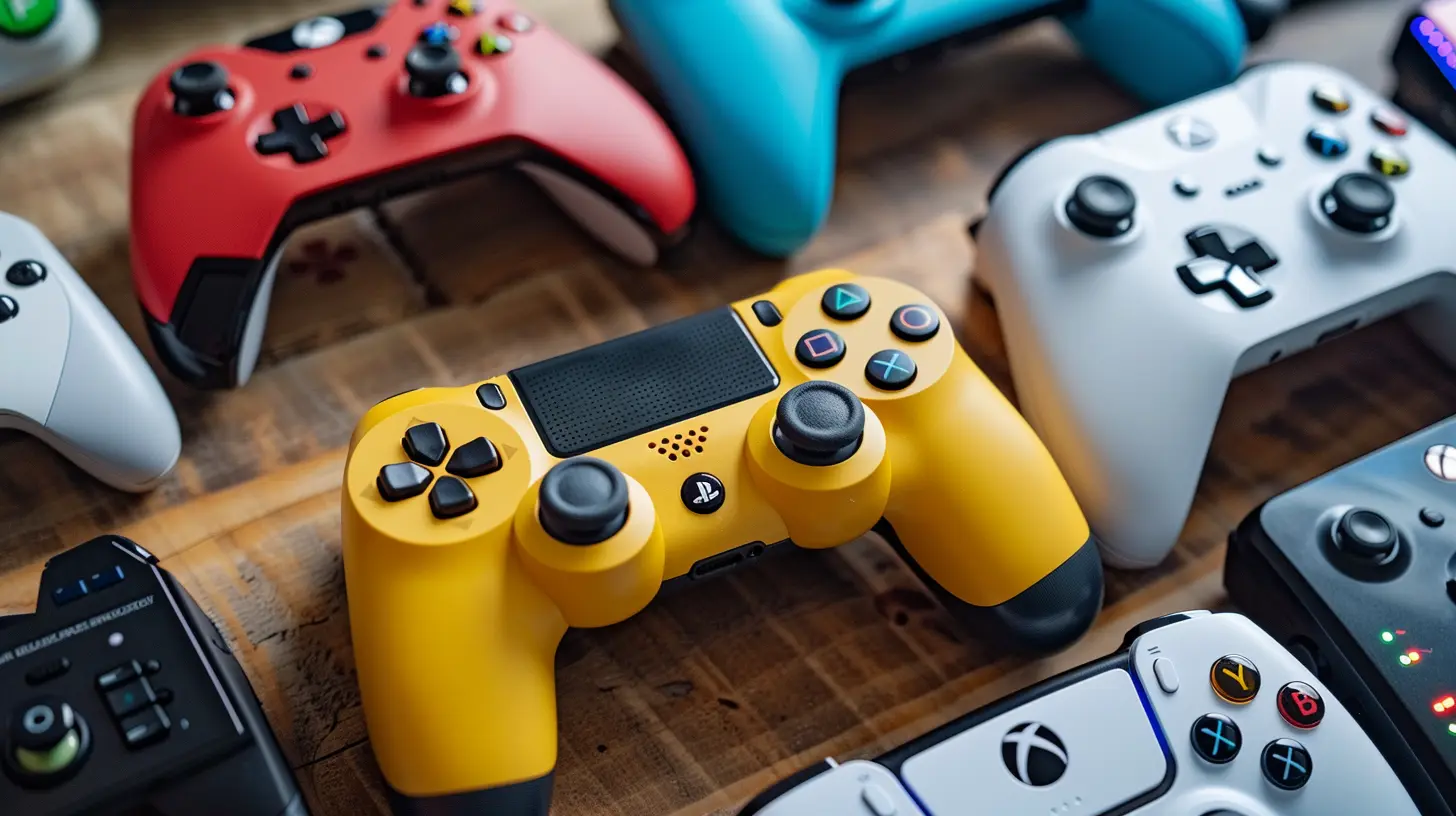
But Wait, There’s More: The Hybrid Gamer Life
Some folks swear by going hybrid—and honestly, that’s not a bad play. Digital for the games you always play (like online shooters or live-service titles), and physical for single-player adventures you might sell later. It’s about mixing convenience with value, and that’s pretty genius if you ask me.Storage Wars: Digital's Hidden Cost
One problem digital gamers run into real quick? Storage space. Games today are massive. We’re talking 100+ GB for some titles. Fill that SSD up, and you’ll be deleting stuff just to install new games. External hard drives help, but they’re not free—and loading times can take a hit unless you're rocking a super-fast SSD.Meanwhile, physical games still install data, but not always the entire game. That disc is pulling some weight, saving you a bit of space.
Internet Dependency: A Digital Downer
Let’s talk about the elephant in the room—the internet. If you’ve got slow or spotty Wi-Fi, downloading games is a nightmare. Not to mention, some games are always online, even for single-player modes.With physical games, you might still need updates, but at least you’ve got something playable off the disc in most cases. Digital games? No internet, no download. No download, no play.
Price Talk: Is Digital Actually Cheaper?
Here’s a shocker—digital doesn’t always mean cheaper. In fact, digital versions often stay at full price longer than physical ones do. Why? There’s no "used" digital market and no reason for digital storefronts to drop prices fast when there's no competition.Sure, there are digital sales, especially during events like Black Friday or Steam-style week-long promos. But physical games still win when it comes to scoring deals at launch or grabbing pre-owned titles.
Licensing & Longevity: Who Truly Owns What?
This one’s kinda freaky—when you buy a digital game, you’re usually buying a license to use it, not the game itself. That means if the company pulls the plug or your account gets banned? POOF. Access gone.Physical games feel safer that way. You’ve got the copy. You can play it anytime, on any console (as long as it's compatible). Your access isn’t tied to a server staying online.
The Nostalgia Factor
Real talk—how many of us have fond memories of shelves lined with games? Flipping through the manual, checking out cover art, showing off your collection to friends—it all feels like a part of gaming culture.Digital loses that sentimental vibe. Sure, it's practical. But physical games hit different when it comes to nostalgia and emotional connection.
Environmental Impact: Which One’s Greener?
Here’s where digital makes a solid comeback. No plastic, no shipping, no carbon emissions from delivery trucks.On the flip side, physical games require manufacturing, packaging, and transport. All that adds up. If you’re eco-conscious, digital might line up better with your values.
But wait—servers hosting digital games and downloads also use energy, often from non-renewable sources. So, it’s not a clear-cut victory either way.
So… Which One Should You Choose?
Let’s break it down quick-style:| Feature | Digital | Physical |
|--------|---------|----------|
| Instant Access | ✅ | ❌ |
| Convenience | ✅ | ❌ |
| Collectibility | ❌ | ✅ |
| Resale Value | ❌ | ✅ |
| Storage Friendly | ❌ | ✅ |
| Ownership Feeling | ❌ | ✅ |
| Updates Required | ✅ | ✅ |
| Potential Discounts | ❌ | ✅ |
| Internet Dependency | ✅ | ❌ |
| Eco-Friendly (kinda) | ✅ | ❌ |
Still stuck? Here’s a little advice:
- Go digital if you value speed, convenience, and don’t mind spending a little more for ease of access.
- Stick to physical if you love collecting, want trade-in value, or don’t trust your internet.
What the Future Holds
Let’s be real—gaming is moving toward digital. With cloud gaming on the rise and consoles offering all-digital editions, it feels inevitable. But that doesn’t mean physical is going extinct—not yet, anyway.Collectors, nostalgic fans, and those who love owning what they buy will always have a soft spot for physical games. Maybe one day it’ll be like vinyl records—less common, but deeply loved.
Final Thoughts
So, digital vs physical games on consoles—who wins? Honestly? You do. Because at the end of the day, it all comes down to how you like to play. Some people love the smell of a new game case. Others just want to hit download and dive in.What matters is that you’re enjoying your games. Whether they come in a shiny box or a silent digital file, the real magic is what happens when you press “Start.
all images in this post were generated using AI tools
Category:
Game ConsolesAuthor:

Kaitlyn Pace
Discussion
rate this article
1 comments
Lydia Luna
Great article! It's interesting to see the pros and cons of both digital and physical games. Each option has its unique perks, catering to different preferences. I appreciate the insights shared here... looking forward to more discussions!
August 17, 2026 at 2:38 AM
Kaitlyn Pace
Thank you for your thoughtful comment! I'm glad you found the insights helpful. I look forward to more discussions as well!