Cross-Platform Play and Its Effects on Console Popularity
29 January 2026
Gaming today isn’t what it used to be. Gone are the days when you had to choose your console based solely on what your friends were playing on. With cross-platform play becoming more common, the walls that once divided gamers by hardware are starting to crumble — and that’s a big deal. But what does this mean for console popularity? Is your Xbox still a titan if your PlayStation friends can hop into your game? Let’s break it down.
What Is Cross-Platform Play, Anyway?
Let’s keep things simple. Cross-platform play (or cross-play) means gamers on different consoles — like the Xbox Series X, PlayStation 5, Nintendo Switch, or even PC — can play together in the same game. Whether you're sniping in Call of Duty, building in Fortnite, or exploring in Minecraft, you can now do it with a crew using completely different systems.Not long ago, this was just a dream. Console manufacturers were super protective of their player bases. Sony, Microsoft, and Nintendo didn’t really want to share their toy boxes. But times have changed.
How Did Cross-Play Become a Thing?
The short version? Gamers demand it, and developers want bigger player pools.Games like Fortnite and Rocket League kicked open the gates. Fortnite especially became the poster child for cross-platform gaming — with Epic Games pushing hard for inclusivity. The success was undeniable. Suddenly, friends weren’t split between consoles. Everyone could jump into battle together, and that kind of freedom was too good to ignore.
Once the floodgate opened, other big titles followed. Think Warzone, Apex Legends, Dead by Daylight — the list keeps growing.
The Big Three: Sony, Microsoft, and Nintendo
Now, let’s talk about how the three console giants have responded to cross-play and what that means for their popularity.Sony – Reluctantly Social
Sony was the last to fully embrace cross-platform play. That’s because when you're the market leader (like they were during the PS4 era), there's not much incentive to share your player base. But eventually, peer pressure (and angry fans) did the trick.Now, PlayStation supports cross-play for many major titles. While they dragged their feet at first, they finally understood that being part of the cross-play club was better than being left out.
Microsoft – The Friendly Giant
Microsoft has actually been one of the biggest champions of cross-play. Their strategy? Platform-agnostic gaming. That’s why they’ve pushed games like Minecraft and even Halo into cross-platform territory.Their game pass strategy and focus on cloud gaming also show they care more about where you game rather than what box you own. This approach makes Xbox a super flexible option, especially for multiplayer lovers.
Nintendo – Marching to Its Own Beat
Nintendo’s... well, Nintendo. Always a bit quirky, and often off in their own little corner having fun. But even they couldn’t resist the cross-play wave. Games like Fortnite, Rocket League, and Minecraft are cross-play capable on the Switch, and that’s a huge win for family and casual gamers who love convenience.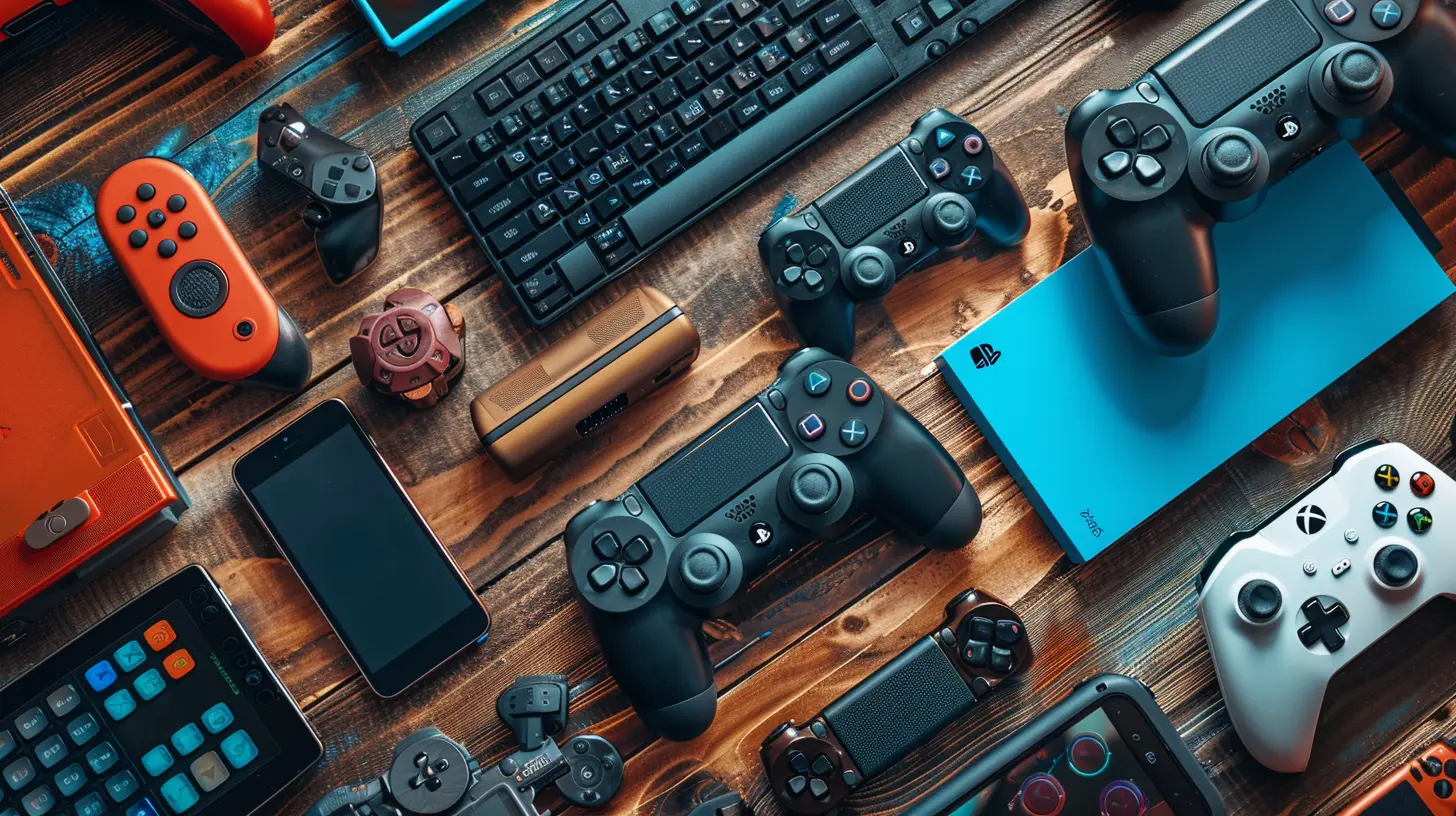
How Cross-Play Changes the Console Decision
Let’s be real — one of the biggest reasons people chose a console in the past was because that’s where their friends played. If all your buddies had an Xbox, well, guess what you were saving up for on your birthday?Now, with cross-play in the mix, that pressure is easing up. Here's how that changes the game (pun intended).
1. Gamers Have More Freedom
Now people can choose a console based on features, exclusives, and price — not just because “everyone else has it.” If you prefer the PlayStation interface but your squad’s on Xbox? No problem. You can still join their party in Warzone.2. Prices Play a Bigger Role
Cross-play has shifted the focus toward value. A parent buying their kid a console may now lean toward the more affordable option if it still allows them to connect with their friends. That’s a big win for Xbox Series S and Nintendo Switch in particular.3. Brand Loyalty Gets Tested
When cross-play is available, it pushes console makers to win over fans with better features, services, and games — not just because they’ve built walled gardens. That’s a huge shift. It puts the power back in the players’ hands.How It Affects Game Developers and Publishers
Cross-play isn’t just a player-friendly feature — it’s a game developer’s dream. Here’s why.1. Larger Player Base
Multiplayer games thrive on active users. Cross-play means matchmaking is quicker and more reliable, especially in games that aren’t as mainstream. No more sitting in lobby limbo for 10 minutes.2. Longer Game Lifespan
Games like Apex Legends and Rainbow Six Siege have lasted longer than expected because cross-play keeps servers busy. More people playing together means more content, more updates, and of course, more microtransactions.3. Balanced Competition… Maybe
Cross-play isn’t perfect. PC players often have an edge due to faster hardware and precision controls. To combat this, many games let users opt out of cross-play or limit platforms (console-only lobbies, for example). Still, it’s a balancing act that devs are slowly mastering.Does Cross-Play Hurt Console Sales?
Alright, let’s get to the big question. Does cross-play hurt console popularity?The short answer? Not really. If anything, it adds a new layer of competition — and that’s good for everyone. Here’s why.
1. It Levels the Playing Field
Back in the day, you stuck with a brand because your friends were stuck too. Cross-play levels that playing field. So now, consoles have to compete on real merit: performance, exclusives, services, and innovation.This doesn’t hurt them — it makes them better.
2. Greater Focus on Ecosystems
With cross-play blurring the lines, console makers have started focusing on creating ecosystems. Think Xbox Game Pass, PlayStation Plus tiers, cloud gaming, and Nintendo’s solid lineup of first-party titles. These ecosystems add value that keeps players loyal, even if their friends are on another system.3. Boosts Game Sales, Regardless of Platform
Cross-play actually helps consoles sell more games. When players know they can play with anyone, they’re more likely to buy multiplayer titles. That means more digital purchases and more in-game spending — things console makers love.The Social Side of Gaming
Gaming has always been social. Whether it’s trash-talking in a Halo lobby or teaming up for a late-night Fortnite session, it’s about connection. Cross-play strengthens that bond by removing barriers. It’s the difference between hanging out at one friend’s house and having a giant online sleepover with everyone — no matter where they live or what console they have.It makes gaming less about what you play on and more about who you play with. And that’s a beautiful thing.
Future of Cross-Platform Play
Cross-play is here to stay. And honestly, it’s only going to get bigger.1. Indie Developers Will Join the Party
As tools and engines (like Unity and Unreal) continue to simplify cross-play support, even smaller studios can bring their games to wider audiences. That’s more variety for players and more chances to discover hidden gems.2. Cross-Progression Will Be the Norm
Being able to take your progress from console to console or from PC to mobile — that’s the dream. Games like Fortnite and Genshin Impact have already nailed this. Expect it to become standard.3. More Unified Gaming Communities
Cross-play breaks down console silos and builds bigger, more inclusive communities. Whether it’s Reddit threads, Discord groups, or in-game chat, the idea of a “universal player base” is turning into reality.Final Thoughts
Cross-platform play is revolutionizing the way we think about consoles, and for the better. It puts players first, encourages friendly competition between console makers, and gives game developers more room to grow their communities.Sure, there are still some challenges to iron out — like balancing gameplay across different hardware or tweaking matchmaking — but overall, it's a massive win for the industry.
So, does cross-play affect console popularity? Yeah, but not in the way you might think. It doesn’t make any one console less valuable — it just changes how we value them.
And in a world where everyone can play together, that’s a game-changer.
all images in this post were generated using AI tools
Category:
Game ConsolesAuthor:

Kaitlyn Pace
Discussion
rate this article
2 comments
Astra McKenzie
Great insights! Cross-platform play really is reshaping the gaming landscape, fostering community growth and enhancing player engagement across consoles. It's exciting to see how this will influence future gaming trends.
February 5, 2026 at 3:29 PM
Kaitlyn Pace
I appreciate your thoughts! It's fascinating to see how cross-platform play is bridging communities and driving engagement. The future of gaming looks bright.
Zoey McCullough
Great article! It's fascinating to see how cross-platform play is reshaping the gaming landscape and influencing console popularity. It truly levels the playing field, allowing friends to connect regardless of their chosen system. Excited to see where this trend leads in the future!
February 1, 2026 at 4:17 AM
Kaitlyn Pace
Thank you for your kind words! I'm glad you found the article insightful. Exciting times ahead for gaming with cross-platform play!