Console vs PC Gaming: Which One Is Right for You
2 September 2026
Let’s face it—choosing between console and PC gaming is like picking your favorite flavor of ice cream. Both are delicious (or in this case, fun), but which one really satisfies your personal taste? If you’ve ever found yourself torn between getting a PlayStation, Xbox, or building a monster gaming rig, you’re not alone.
In this guide, we’re going to break down the pros and cons of console and PC gaming to help you figure out which setup suits your play style, budget, and lifestyle the best. Whether you're a casual gamer looking to unwind after work or a hardcore competitive player chasing frames and precision, this article has got your back.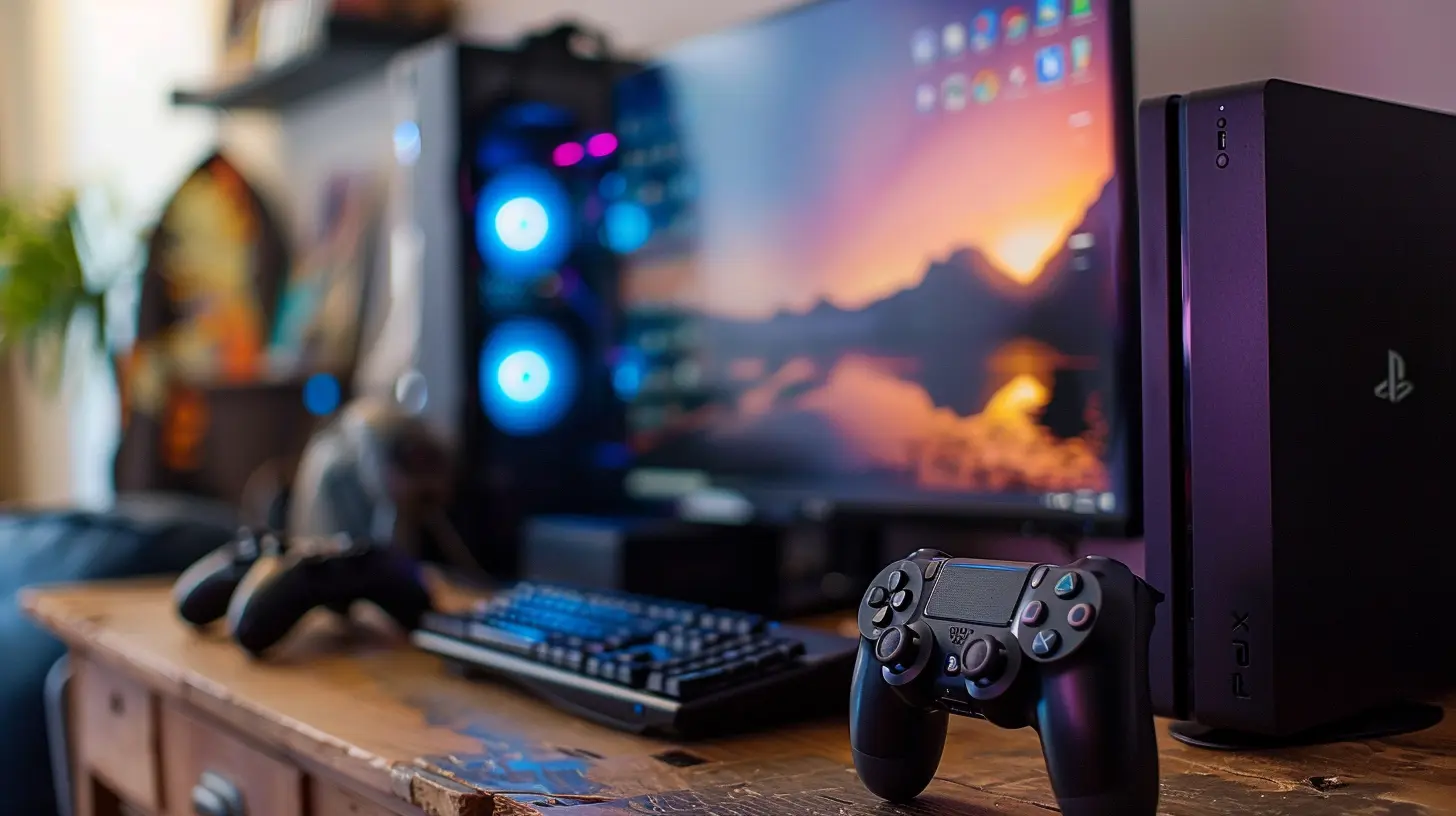
? What Is Console Gaming?
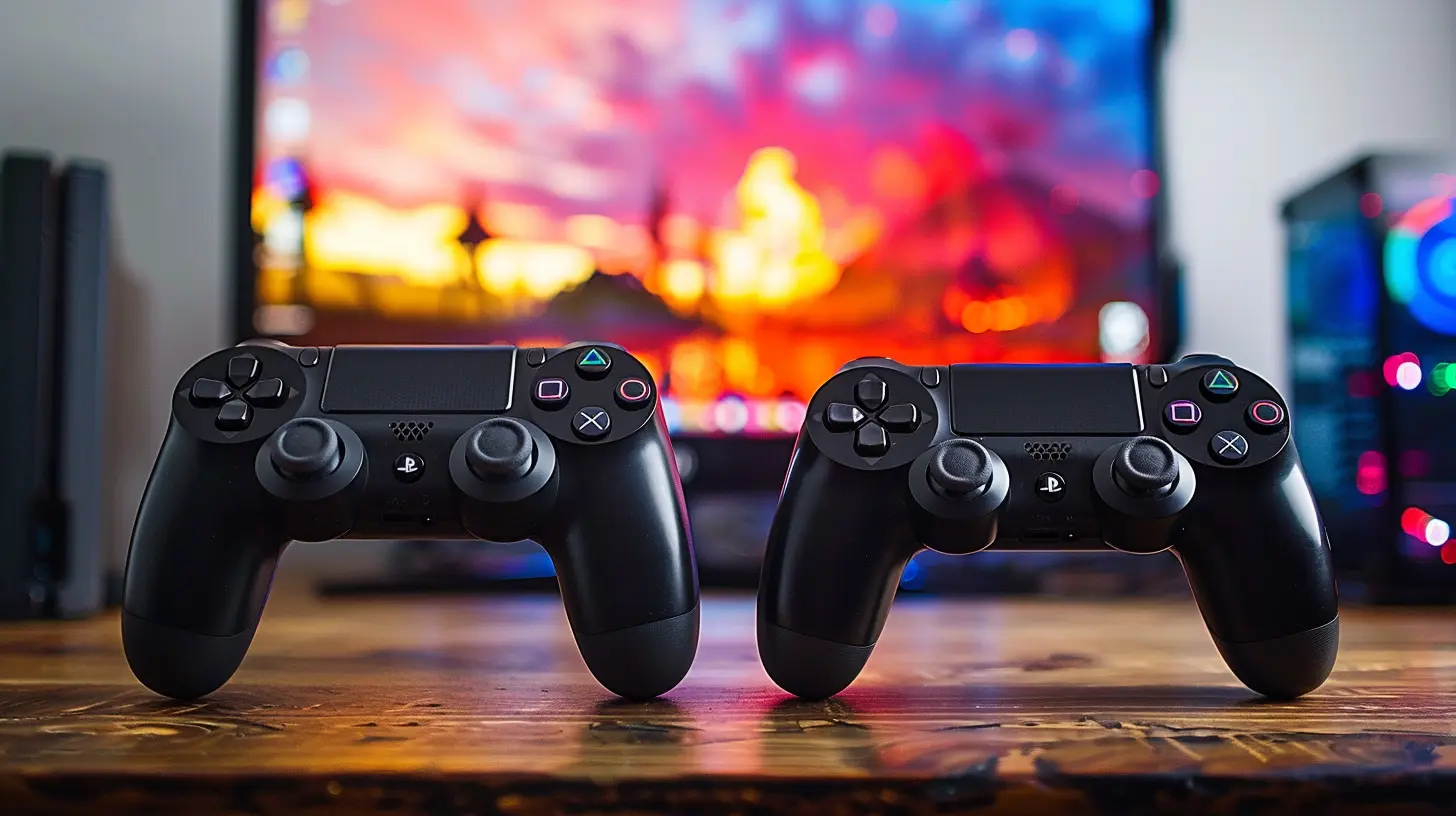
Console gaming revolves around dedicated gaming machines like the PlayStation, Xbox, or Nintendo Switch. These devices are plug-and-play—that means you connect them to a TV, insert a game (or fire up a digital download), and you’re off to the races.? Pros of Console Gaming
1. Ease of Use
Consoles are designed to be idiot-proof. You don’t need to worry about drivers, system requirements, or messing around with settings. Just hit the power button and you’re gaming in seconds.2. Exclusive Titles
Some of the best games in the world are console exclusives. Think of titles like God of War, The Last of Us, or Halo. If you're the type that gets FOMO easily, this can be a big deal.3. Cheaper Upfront Cost
For the price of a mid-range gaming PC graphics card, you can own a brand-new console. That's a massive advantage if you’re on a budget.4. Couch Co-op & Local Multiplayer
Hosting a game night? Consoles still dominate when it comes to easy local multiplayer. Pass the controller and trash talk—just like the good ol’ days.? Cons of Console Gaming
- Limited Hardware Upgradability: You can’t just pop open your PS5 and slap in a new GPU. Once outdated, it stays that way.- Locked Ecosystems: Want to play PS-exclusive titles on your Xbox? Nope. You’re locked to what the console brand offers.
- Online Services Cost Extra: Xbox Live, PS Plus—they all want your money to play multiplayer.
? What Is PC Gaming?
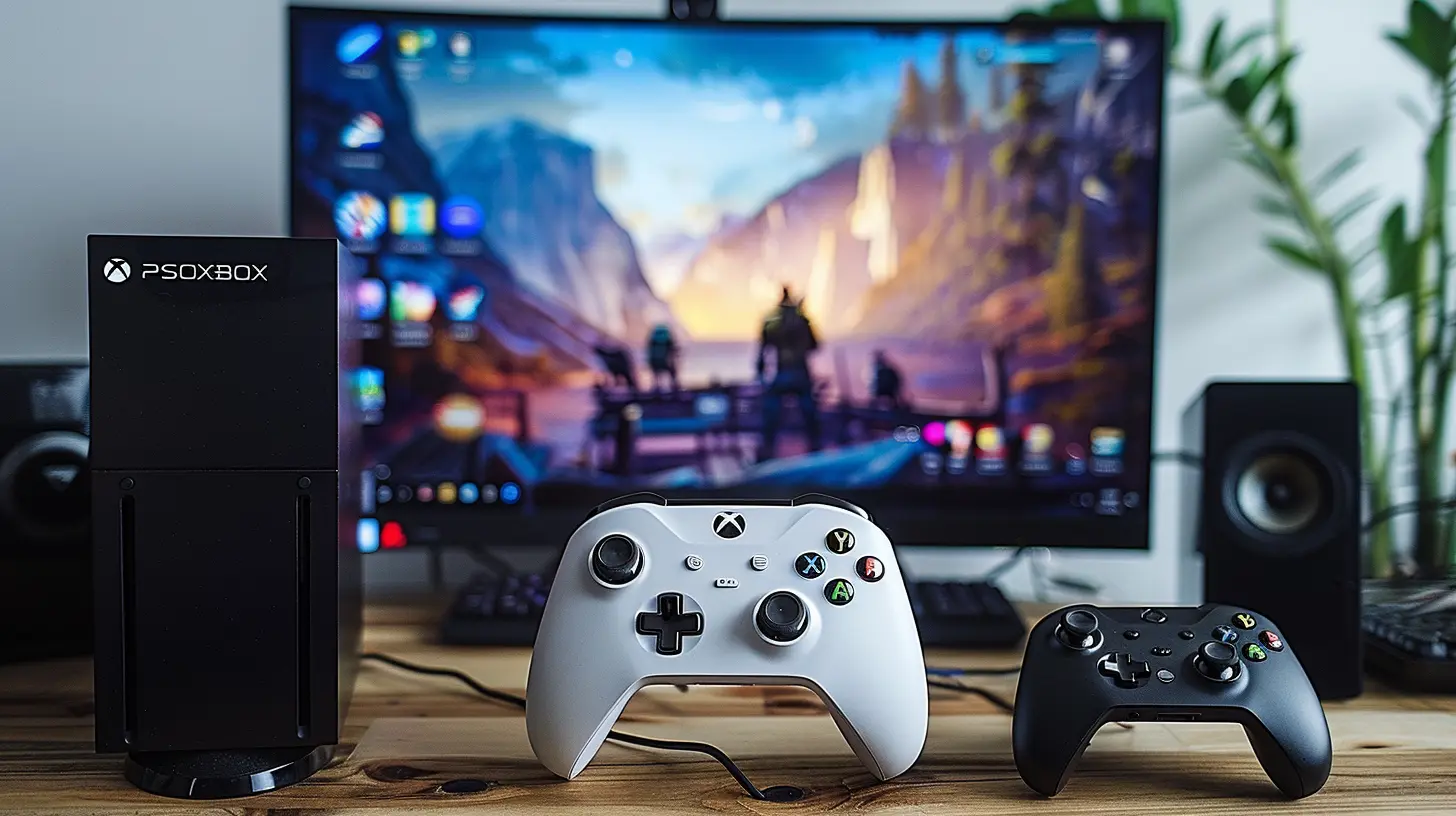
PC gaming is done on desktops or laptops designed (or built) for high-performance gaming. With the right build, you can play anything—from indie darlings to the most graphically intense AAA titles.? Pros of PC Gaming
1. Unmatched Performance
If you want insane frame rates, 4K resolutions, and ultra settings that make your eyeballs weep with joy, PC is where it's at.2. Hardware Flexibility
Want to double your RAM? Swap your GPU? Build your dream rig piece by piece? The sky’s the limit on PC.3. Library Variety & Mods
PC players enjoy an open market with platforms like Steam, Epic Games Store, and GOG. Plus, mods breathe new life into your games. Ever wanted to turn dragons in Skyrim into Thomas the Tank Engine? Go wild.4. Free Online Multiplayer
No monthly fee to play online. That’s right. You can spend your money on more games instead.5. Mouse & Keyboard Precision
Especially in FPS and RTS games, nothing beats the precision of a mouse and keyboard. Ever tried sniping with a controller? Yeah… not fun.? Cons of PC Gaming
- Expensive Upfront Cost: A gaming PC can cost anywhere from a few hundred bucks to several thousand.- Complex Setup: Drivers, updates, weird compatibility issues—it can feel like your PC demands a tech support degree.
- Portability – unless you’re gaming on a powerful laptop, PCs are a pain to lug around.
? Performance: Frame Rates, Load Times & Graphics
This is where the PC often flexes its muscles.PC Wins in Raw Power
High-end PCs offer buttery-smooth frame rates (think 144 FPS and beyond), faster load times with SSDs, and insane graphical fidelity. It’s like the difference between watching a 90’s VHS and a modern 4K Blu-ray.Consoles Hold Their Own
That said, next-gen consoles like the PS5 and Xbox Series X have closed the gap. They support 4K gaming, ray tracing, and amazingly fast load times. For most people, the difference may not even be noticeable on a standard TV.
? Game Library: What Can You Play?
Console Exclusives
If your heart is set on playing God of War: Ragnarok or The Legend of Zelda: Tears of the Kingdom, you’ll need the right console. These exclusives are often what push people toward a particular brand.PC’s Endless Selection
From AAA titles to indie gems, emulators, modded versions, and early access games, PC’s library is practically infinite. Plus, no one can beat PC’s backward compatibility. Still want to play Age of Empires II or Doom from the ’90s? PC’s got your back.? Budget & Long-Term Value
Console = Lower Entry Cost
Say you’ve got $500 to spend. You can buy a shiny new PS5 or Xbox Series X, grab a couple of games, and you're good for the next 5-7 years without worrying about upgrades.PC = Flexible, but Expensive
Building a PC can easily run you over $1,000. But! You get better performance, potential savings on games (Steam sales are legendary), and you can upgrade individual parts down the line.PCs are also multipurpose—need to edit videos, stream, or do school/work tasks? Your gaming rig can double up.
? Customization & Mods
PC’s Playground for Creators
From RGB lighting to customized cases, a PC lets you express your gamer personality. And mods? They're like digital duct tape and glitter. They can fix bugs, add storylines, or turn serious titles into meme factories.Console = What You See Is What You Get
Consoles are limited in terms of personalization. Aside from downloading themes or changing backgrounds, you can’t change much under the hood.? Multiplayer & Community
Console = Simpler Multiplayer
Sure, you have to pay for online multiplayer, but consoles make it easy. Friends list, invites, party chat—it just works with minimal effort.PC = Bigger, (Sometimes) Better Community
PC gamers benefit from much larger online communities, dedicated servers, and tools like Discord for communication. But it does require a little tech-savviness to manage.? Comfort & Living Room Vibes
Consoles are built for the living room. Kick back on your couch with a controller, grab some snacks, and you’re set.Of course, you can connect a PC to your TV and use a controller too—but it often requires extra setup and tinkering.
On the flip side, PCs dominate at desks. If you game at a workstation or stream, a PC setup makes way more sense.
? Upgrade Cycle & Longevity
Consoles Have a Long Shelf Life
A console lasts a generation—usually 5 to 7 years. No surprises, no upgrading required.PCs Evolve Constantly
PC hardware improves fast. You can upgrade piece by piece, but keeping up with the latest GPUs and processors can get pricey.That said, a well-built gaming PC can last several years if you don’t mind dialing down the settings a bit later on.
⚙️ Versatility & Functionality
A PC is more than a gaming device. It’s a full-blown workstation, streaming studio, and media center all rolled into one.Consoles are primarily for gaming (with some extras like Netflix or YouTube). Great for entertainment, but not so great for productivity.
? So, Which One Is Right for You?
Here’s a quick cheat sheet based on your priorities:Get a Console If You...
- Just want to plug in and play with minimal fuss- Prefer exclusive AAA titles
- Want a gaming system that doubles as a living room entertainment hub
- Are on a tight budget
- Enjoy local multiplayer or couch co-op
Go for a PC If You...
- Want the best possible performance and graphics- Like customizing or building your own setup
- Prefer indie games, mods, or experimental titles
- Need a system that can also do non-gaming tasks
- Love competitive gaming and precision controls
? Final Thoughts
At the end of the day, there’s no one-size-fits-all answer. Console and PC gaming both offer unique perks and limitations. What really matters is how (and where) you like to play.You could even do both—use a console in the living room for chill, cinematic experiences and a gaming PC for high-performance shooters or strategy games.
Whatever you choose, just remember: games are meant to be fun. So pick what gives you the best experience and game on, my friend.
all images in this post were generated using AI tools
Category:
Game ConsolesAuthor:

Kaitlyn Pace
Discussion
rate this article
1 comments
Mara Harris
The choice between console and PC gaming hinges on personal preferences. Consoles offer convenience and exclusives, while PCs provide customization and superior graphics. Consider your budget, gaming style, and whether you value portability or top-notch performance before deciding.
September 5, 2026 at 2:29 AM
Kaitlyn Pace
Absolutely, it really comes down to what fits your lifestyle and gaming habits best. Each has its strengths, so weigh your options carefully.