Cloud Gaming and Its Impact on Traditional Consoles
2 January 2026
The way we play video games is changing—fast. With high-speed internet becoming more widespread and technology constantly pushing boundaries, there's one trend that’s been shaking up the gaming industry: cloud gaming. It’s not just another buzzword; it’s a major shift that’s already leaving a mark on traditional gaming consoles.
So, what is cloud gaming, and how is it transforming the long-standing world of consoles such as PlayStation, Xbox, and Nintendo Switch? Is it the future of gaming, or just another fad destined to fade away?
Let’s buckle up and dive into the world of cloud gaming and its impact on traditional consoles.
What Is Cloud Gaming, Really?
If you've ever streamed a show on Netflix or Spotify’d your favorite playlist, then you're already halfway to understanding cloud gaming.In plain English, cloud gaming lets you play games via the internet without needing to download or install them on your device. The game runs on powerful servers (the "cloud") somewhere out there—possibly in another country—and it sends the visuals and audio to your screen. Meanwhile, your controller inputs get sent back to the server, and voila! You're gaming without a console or gaming PC.
Some of the big players in cloud gaming include:
- NVIDIA GeForce Now
- Xbox Cloud Gaming (formerly xCloud)
- Google Stadia (which has since shut down)
- Amazon Luna
- PlayStation Now (part of PlayStation Plus)
How Does Cloud Gaming Work?
Here’s the backbone of cloud gaming: super-powerful remote servers render your games in real-time, then stream them to your screen like a video feed. Your keyboard, mouse, or controller sends commands back to these servers. The magic happens so fast, it (ideally) feels like you're playing locally.It's like having an insanely expensive gaming rig somewhere in the cloud, and you're just renting its power.
The perks? No need to buy expensive hardware. You can play AAA games on a five-year-old laptop, a smartphone, or even a smart TV.
Why Cloud Gaming Is Gaining Momentum
1. No Expensive Hardware Required
Let’s be real—not everyone can drop $500 on a console or $2,000 on a gaming PC. Cloud gaming removes that barrier. All you need is a screen, a decent internet connection, and a subscription.2. Instant Access, Anytime, Anywhere
No more long downloads, updates, or patches. Cloud platforms often let you jump straight into the action. You can start playing at home on your TV and pick it up later on your phone during your lunch break.3. Game Library on Demand
Most cloud services offer huge libraries of games, much like Netflix offers movies. It’s a gamer’s dream—you can try out a wide array of games without committing or buying each one individually.4. Cross-Platform Flexibility
Cloud gaming doesn’t care about platforms. You can play an Xbox game on your Android phone or a PC game on your Mac. It's freedom like we’ve never seen before in gaming.
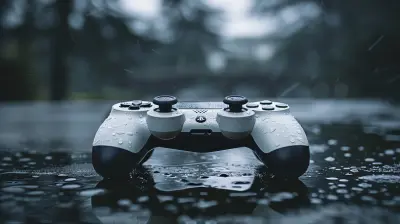
Traditional Consoles: Where They Shine
Before you grab your pitchfork and prepare to say goodbye to your beloved PS5 or Xbox Series X, let's set the record straight: traditional consoles are still very much relevant.1. Local Performance Still Rules
Consoles aren’t reliant on internet speed. No latency. No buffering. No weird frame drops. It’s just pure, uninterrupted gaming bliss. The performance on a PS5 or Xbox Series X is optimized to perfection for that hardware.2. Physical Game Lovers Still Exist
Collectors and old-school gamers still love physical copies. It’s part nostalgia, part ownership pride. You can’t exactly put a cloud-based game on your shelf.3. Exclusives That Define Consoles
From "The Legend of Zelda" to "God of War", console exclusives are still a massive reason people buy hardware. These games are tailor-made to push the limits of their consoles—and fans eat it up.4. Guaranteed Experience Without Internet Dependency
Not everyone has fast internet, you know? In areas with dodgy connections, cloud gaming can be a nightmare. Consoles offer a more consistent and reliable gaming experience.Cloud Gaming vs. Traditional Consoles: The Head-to-Head
Let’s pit them against each other in a few key areas to see how they stack up.| Feature | Cloud Gaming | Traditional Consoles |
|--------|---------------|---------------------|
| Cost | Lower upfront cost | Expensive hardware |
| Accessibility | High – play anywhere | Limited to device |
| Performance | Internet-dependent | Consistently high |
| Game Library | Vast and growing | Strong, but exclusive |
| Ownership | Digital only | Digital & physical |
| Latency | Potential input lag | Minimal to none |
How Traditional Console Makers Are Responding
Guess what? Console makers aren’t sleeping on the cloud gaming revolution. In fact, they’re evolving.- Microsoft is all-in with Xbox Cloud Gaming, offering a hybrid model where you can either download games or stream them.
- Sony integrated cloud streaming into their revamped PlayStation Plus service.
- Nintendo is dipping its toes into cloud waters with select cloud-based Switch titles like "Control" and "Hitman 3."
It’s clear: the industry’s shifting gears, and even giants like Sony and Microsoft are hedging their bets.
Is Cloud Gaming the Future?
It’s tempting to think so. But let's not get ahead of ourselves.Cloud gaming has a lot of potential, yes. But it also has challenges:
1. Internet Infrastructure Gaps
High-speed internet might be common in urban areas, but in many parts of the world, it’s either spotty, slow, or too expensive. Until that gap closes, cloud gaming can’t fully replace consoles.2. Latency Issues
Even with great internet, stuff like input lag and streaming quality can be make-or-break for gamers, especially for fast-twitch games like shooters and fighters.3. Game Ownership Concerns
Right now, most cloud games are like rentals. If a service ends—or a game gets pulled—it’s gone. That doesn’t sit well with gamers who like to truly own their collection.A Hybrid Future: Best of Both Worlds?
Here’s what feels more likely: a blended model, where cloud gaming and traditional consoles co-exist.Imagine this: you’re on a train streaming your favorite RPG from the cloud, and when you get home, your console continues the game in 4K with surround sound. Seamless, immersive, and convenient.
We’re already seeing this hybrid approach gain traction. Microsoft’s Xbox ecosystem, for example, lets you bounce between console, PC, and cloud without missing a beat. That’s the sweet spot—convenience and performance together.
What Gamers Should Know and Expect
If you’re a gamer wondering where to put your money or time, here’s the lowdown:- Cloud gaming is growing fast, and it will likely be a significant part of gaming's future.
- Consoles aren’t going away anytime soon. They still offer unmatched performance and exclusive experiences.
- Hybrid options are becoming the norm. Expect more flexibility and choice than ever before.
- Your choices matter. Want physical copies? Stick with consoles. Want to game on-the-go with minimal setup? Try cloud gaming.
All in all, we’re entering a golden age of gaming—one where YOU get to choose how and where to play.
Final Thoughts
The battle between cloud gaming and traditional consoles isn’t really a competition—it’s more of a collaboration. Each fills in the gaps where the other falls short. Console gaming is built on decades of innovation and legacy. Cloud gaming is the new frontier with promise and flexibility.So whether you're a hardcore PlayStation fan, an Xbox die-hard, a Nintendo loyalist, or someone curious about the cloud, one thing is for sure: gamers have never had it better.
We're not watching the death of consoles; we’re witnessing the birth of something bigger—a gaming ecosystem that's more inclusive, more accessible, and more exciting than ever before.
all images in this post were generated using AI tools
Category:
Game ConsolesAuthor:

Kaitlyn Pace
Discussion
rate this article
2 comments
Zayden Dodson
Cloud gaming is shaking things up! Traditional consoles, it's time to evolve or get left in the dust!
January 17, 2026 at 3:48 AM
Kaitlyn Pace
Absolutely! Cloud gaming is driving innovation and forcing traditional consoles to rethink their strategies to stay relevant in a rapidly changing landscape.
Piper Wilkerson
This article beautifully captures the evolving landscape of gaming. It's fascinating to see how cloud gaming challenges traditional consoles, pushing innovation and accessibility. While change can be daunting, it also opens exciting new possibilities for gamers everywhere. Thank you for this insightful read!
January 6, 2026 at 5:12 AM
Kaitlyn Pace
Thank you for your thoughtful comment! I’m glad you enjoyed the article and share the excitement about the future of gaming.