Breaking the Fourth Wall: How Games Blur the Line Between Player and Story
8 December 2025
You’ve been playing a game for hours. Suddenly, the character on-screen turns, looks straight at you, and says something that acknowledges you—not your character, but you as the player. For a second, it feels like the game just reached through the screen and tapped you on the shoulder. That, my friend, is breaking the fourth wall. And in gaming? It’s like stepping into uncharted territory where the line between player and story begins to blur.
Breaking the fourth wall isn’t just a quirky narrative trick; it’s a bold storytelling device that grabs your attention and pulls you deeper into the experience. So, why do developers do it? How do games pull this off effectively? And more importantly, how does it make us, the players, feel like we’re not just playing the story but actually part of it? Buckle up—we’re about to dive into this mind-bending concept.
What Does "Breaking the Fourth Wall" Even Mean?
Okay, let’s start with the basics. The "fourth wall" is a term that originally came from theater. Imagine a stage with three walls—the back wall and the two side walls. The "fourth wall" is the invisible barrier between the stage and the audience. When a performer addresses the audience directly or acknowledges that they’re in a play, they’re breaking that invisible wall.In gaming, it works in a similar way. It’s when a game acknowledges it’s a game or interacts directly with the person holding the controller (that’s you!). It’s not just a cutscene or dialogue—it’s a moment that makes you sit back and go, "Wait, what just happened?"
Why Do Games Break the Fourth Wall?
Great question! Developers use this technique for various reasons, and honestly, it’s genius when done right. Here are a few common motives:1. To Shock or Surprise the Player
Let’s be real: games are full of predictable patterns. You defeat enemies, solve puzzles, level up, rinse, and repeat. But when a game breaks the fourth wall? It’s like throwing the rulebook out the window. Suddenly, the game becomes unpredictable, and your brain goes into overdrive trying to figure out what’s happening.2. To Deepen the Narrative
Sometimes, breaking the fourth wall is used to strengthen the story. It makes the player feel like they’re not just an observer but an integral part of the narrative. It’s as if the game is saying, "Hey, you’re in this with us."3. To Add Humor or Wit
Ever played a game that pokes fun at itself? Breaking the fourth wall is a great way to inject humor. It’s like when your favorite character cracks a joke about the absurdity of game mechanics. Think Deadpool levels of self-awareness.4. To Question Reality
Some games blur the line so much that you start wondering, "Is this game messing with me, or is it revealing something deeper about how I experience stories?" It’s a subtle way of making players reflect on their actions and the medium itself.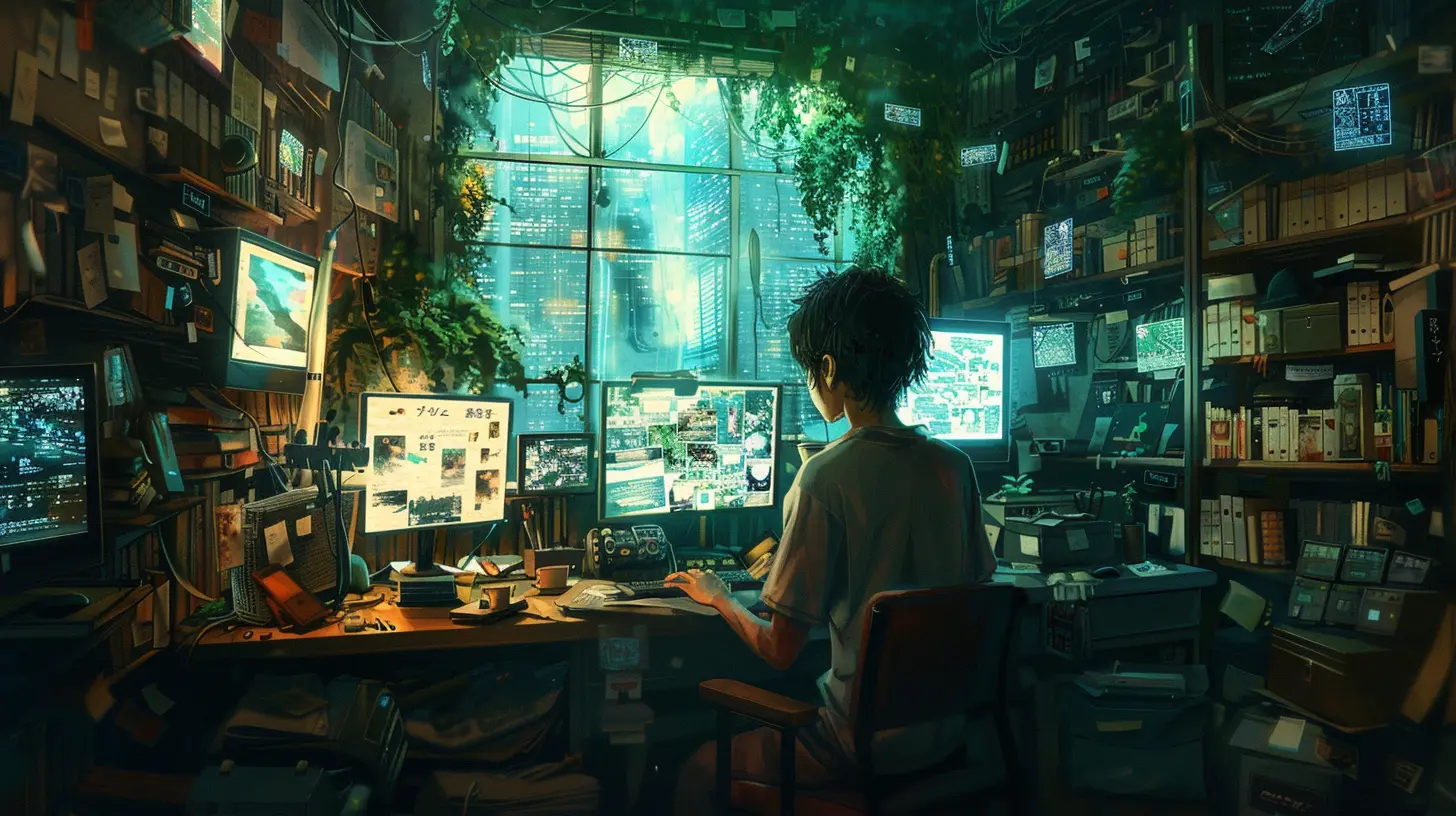
Iconic Games That Mastered Breaking the Fourth Wall
Not all games can pull this off, but some have done it so well they’ve become legendary. Let’s look at a few standout examples:1. Metal Gear Solid 2: Sons of Liberty
Oh boy, where do we even start? Hideo Kojima is practically the king of fourth-wall-breaking moments. Remember the creepy Colonel AI in MGS2? He starts spouting nonsense and tells you to "turn off the console." Like, excuse me? The game straight-up tells you to stop playing it. It’s disorienting but also brilliant because it plays with your expectations and makes you question what’s real.2. Undertale
Toby Fox’s indie masterpiece is packed with fourth-wall-breaking moments. Characters like Flowey and Sans seem to know more about you than they should. The game even remembers your choices if you restart it, which is both impressive and unsettling. Undertale doesn’t just break the fourth wall—it smashes it to pieces.3. Doki Doki Literature Club
What starts as a cute visual novel quickly turns into a psychological horror trip. Monika, one of the characters, becomes self-aware and essentially takes over the game. By the end, it feels like she’s staring directly into your soul. It’s haunting and unforgettable.4. The Stanley Parable
This game is practically a love letter to the fourth wall. The Narrator constantly talks to you, the player, and even changes the story based on your decisions. The whole experience is a giant meta-commentary on free will in gaming.
The Emotional Rollercoaster of Breaking the Fourth Wall
Let’s talk feelings. When a game shatters that invisible barrier, it’s not just a gimmick. It taps into your emotions in ways traditional storytelling can’t. Here’s how:1. A Sense of Connection
When a game acknowledges you, it creates an instant bond. It’s like the characters aren’t just pixels on a screen—they’re aware of your presence. That connection can be thrilling, heartwarming, or downright eerie.2. Heightened Immersion
Breaking the fourth wall makes you feel more immersed than ever. It’s like the game world spills out into the real world, and you’re no longer just a detached player. You’re part of the action.3. Unpredictability
When the fourth wall is broken, you have no idea what’s coming next. It’s a complete curveball, and it keeps you on the edge of your seat.4. Existential Dread
Okay, this one’s specific to certain games (cough Doki Doki Literature Club cough). When a game blurs the line between fiction and reality, it can leave you questioning everything. It’s unsettling in the best way possible.Why Fourth-Wall-Breaking Works So Well in Games
Here’s the thing: breaking the fourth wall works particularly well in games because they’re interactive by nature. Unlike movies or books, games require you to make decisions and participate actively. So when a game breaks that invisible barrier, it feels personal—like it was meant just for you. It’s an experience that no other medium can replicate.The Future of Fourth-Wall-Breaking in Games
As games continue to evolve, we can expect even more innovative uses of this narrative tool. With advancements in AI and VR, developers will have even more opportunities to blur the lines between the game world and the real world. Imagine a VR game where the characters not only know you’re wearing a headset but also adapt their behavior based on how you play. The possibilities are endless—and a little terrifying.Final Thoughts: The Magic of Blurred Lines
Breaking the fourth wall is more than just a neat trick. It’s a way for games to challenge conventions, engage players on a deeper level, and create unforgettable moments. Whether it’s a cheeky joke, a mind-bending plot twist, or an emotional gut punch, these moments remind us why gaming is such a unique and powerful storytelling medium.So next time a game reaches out to you, don’t freak out. Lean into it, because you’re witnessing something special—a moment where the lines between player and story disappear, and all that’s left is the magic.
all images in this post were generated using AI tools
Category:
Interactive StorytellingAuthor:

Kaitlyn Pace
Discussion
rate this article
2 comments
Ximena Patterson
Ever felt watched by a game? Dive into the uncanny intersection where player choices shape hidden narratives.
December 11, 2025 at 5:54 AM
Kaitlyn Pace
Absolutely! The unique player-game dynamic creates a profound experience, making us acutely aware of our choices and their impact on the unfolding narrative. It’s a fascinating exploration of agency and immersion.
Azurael Morris
Game on! Who’s really playing whom now?
December 9, 2025 at 5:43 AM
Kaitlyn Pace
Great question! It’s fascinating how games invite players to interact with the narrative, making them active participants in the story's unfolding.